
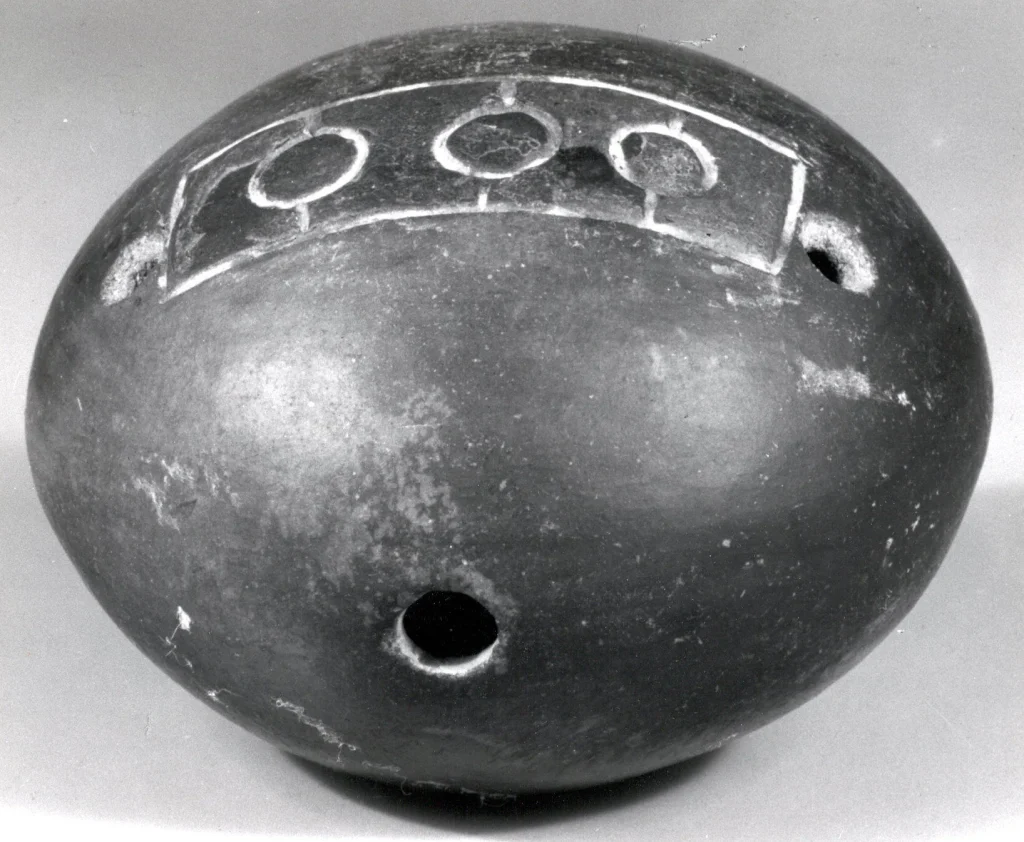
Goal of this guide: master a double ocarina and learn to coordinate its two chambers so you can move between notes without a break.
The ocarina is a wind instrument popularized in the nineteenth century by Giuseppe Donati. You blow into the mouthpiece and cover the holes to produce notes. Transverse and sweet potato models are common, while multichamber versions offer a wider range.
A two-chamber model extends your range without requiring you to change instruments. It makes ensemble harmonies easier and helps rapid passages flow more smoothly.
We will cover positioning your lips across the mouthpieces, managing airflow, coordinating your fingers, and articulation. We will also discuss materials (ceramic and plastic), brands, and price, followed by practical exercises to help you improve.
This guide moves from background to a practice plan to help you produce a clear sound and make chamber changes almost imperceptible. Find a recommended model here.
Why choose a double ocarina? Background, benefits, and limits of playing with two chambers
A double-mouthpiece ocarina immediately expands a player’s range of sounds. It lets you play harmonies and reach more notes without changing instruments midway through a piece.
For ensembles, this model makes arrangements and medleys easier. Moving between registers offers more fingering options and helps maintain a continuous line across interval leaps.
Benefits: continuity, flexibility, and quick adaptation to the melody. Ceramic models tend to offer a richer tone. Plastic models are durable and generally more affordable.
“With time and regular practice, controlling your breath and moving between chambers become natural.”
Limits: an additional learning curve, the need for precise breath control, and the possibility of leaks or inaccurate notes at first. Focused exercises can correct these problems.
- Recommended brands: STL Ocarina, Songbird, Thomann.
- First choice: a single-chamber model may be enough, but if your repertoire calls for it, a double ocarina can be a sensible first purchase.
- Schedule regular practice to make the movements specific to this instrument reliable.
| Material | Sound quality | Durability | Indicative price |
|---|---|---|---|
| Ceramic | High | Moderate (fragile) | €€ |
| Plastic | Good | High | € |
| Blend/composite | Variable | Good | €–€€ |
Understanding the double ocarina: chambers, holes, and range
The design of the air columns determines how smoothly the registers connect and how easy it is to move between them.

How the two chambers work and how notes connect
Principle: each chamber has its own air column and covers part of the instrument’s range. How smoothly the notes connect depends on the instrument’s design and the fingering you choose.
Multichamber fingerings: Asian and Pacchioni
In the so-called Asian fingering system, the second chamber extends the first in a linear sequence. It gives you quick access to a wide range, but the tone may change when you switch chambers.
The Pacchioni system favors overlap: the last two notes of one chamber are also the first two of the next. This makes the change less noticeable, although reaching two full octaves often requires a triple ocarina.
- Role of the holes: their number (from 4 to 18) and arrangement determine the available range and how notes connect.
- Learning: the Asian system follows a linear progression; the Pacchioni system requires you to memorize shared notes to improve tuning and breath control.
| Aspect | Asian | Pacchioni |
|---|---|---|
| Range | Wide, linear | Overlapping, consistent |
| Chamber change | More noticeable | Less noticeable |
| Effect on price | Varies with the design | Often more demanding, sometimes requiring a triple model |
Getting started with hand position and the mouthpiece before changing chambers
Your initial hand and lip positions determine how cleanly you can change chambers. Stand or sit upright, keep your head steady, and support the instrument in your palm to prevent it from wobbling.
Hand position and sealing the holes
Support the ocarina with a steady hand. Cover the holes with the pads of your fingers, not your nails, to seal them properly.
Even a small air leak makes notes inaccurate and interferes with chamber changes. Always check that the holes are fully covered before playing.
Positioning your lips across the mouthpieces and switching with control
Place your lips so they straddle the two mouthpieces. Switch by moving your head slightly sideways and rotating the instrument a little.
Keep the airflow steady so the next note sounds immediately, without stray breath noise.
Avoid blowing into both chambers
At first, you may accidentally blow into both mouthpieces at once. This is common and can be corrected with slow exercises.
“Hold long notes on each chamber, then alternate slowly.”
- Practice sustained notes and alternation every day.
- Keep your lips and body relaxed to avoid unnecessary effort.
- Once you find the right lip position, check how you balance the instrument before increasing your speed.
To find suitable models and continue improving, browse a selection of recommended ocarinas here.
Double ocarina: how to use two chambers
Mastering breathing and breath pressure is essential when moving between chambers. The goal is simple: maintain a steady flow of air so the next note sounds without delay.

Managing airflow and pressure for each note
Adjust your breath pressure: high notes often need more air, but keeping the breath steady matters most during a chamber change.
Take a breath before switching and avoid blowing too forcefully. Excessive breath pressure causes pitch to drift.
Coordinating fingers and mouthpiece
Prepare your fingers a fraction of a second before switching. Keep your hand close to the holes involved in the change to minimize movement.
This lets the next note sound immediately.
Fast transitions: a practical exercise
Using a metronome, alternate between two connecting notes in different chambers. Start slowly, then gradually increase the tempo.
- 3 minutes at 60 bpm, played slowly.
- 2 minutes at 80 bpm, then at 100 bpm if your playing remains steady.
- Record yourself to check your tuning and correct your airflow or how you cover the holes.
Articulation and rhythm
Use a light tongue stroke to make the attack clear after switching chambers. Favor legato notes to preserve a continuous tone.
“Small adjustments made regularly help you coordinate chamber changes.”
Mark the change points on your tablature and note where to breathe. Try several ocarinas, taking price and playing feel into account, to find one that makes transitions easier.
Fingerings and smooth transitions: from theory to tablature
Reading the music carefully helps you anticipate connecting notes and avoid breaks.

Reading and adapting tablature: identify the symbols that indicate a chamber change and note the fingerings for the Asian or Pacchioni system. Online tools make it easier to create and read tablature for different ocarina configurations.
Adapting a score means assigning certain notes to each chamber to manage your breath and maintain a consistent tone. Write alternative fingerings directly on the tablature.
Exercises for the holes used at chamber changes
Practice patterns that require as few fingering changes as possible between the last note in one chamber and the next. Start slowly, then increase the speed:
- Stage 1: slow duple rhythm and accurate fingerings.
- Stage 2: triplets and steady airflow.
- Stage 3: fast runs while maintaining tone quality.
Practical choice: with your head relaxed, try the sequence that feels most stable for your instrument and hand. Watch channels such as OCTalk, Gina Luciani, or Tristan Laurens for demonstrations.
“Identifying connecting notes and holes helps you play more cleanly and confidently.”
Choosing the right instrument: materials, tuning, and ocarina brands
Material, tuning, and finish all affect the sound and sustain of a note.
Ceramic or plastic: sound quality, durability, and price
Ceramic models offer a tone quality often considered superior and an even response.
Plastic withstands knocks and moisture better, which is useful if you often carry your instrument.
Range and tuning: alto in C, G, or F
For a first ocarina, an alto in C is generally recommended. It is versatile and comfortable for most repertoires.
Instruments tuned in G or F offer different tonal colors and may broaden your options depending on the pieces you play.
Well-known brands and models
Choose reliable brands: STL Ocarina, Songbird, Focalink/Stein (through Ocarina World), Spencer, and Thomann.
STL Ocarina offers a wide range, and its instruments sometimes come with tablature and guides. Check the product listing: “Tenor in C” may be equivalent to “Alto in C.”
| Criterion | Benefit | Consideration |
|---|---|---|
| Material | Ceramic: sound; plastic: durability | Price varies with the finish |
| Tuning | C recommended for beginners | G or F for a different tonal color |
| Brand | STL Ocarina, Spencer | Delivery outside the EU: a few weeks to a few months |
“Choose the instrument that suits your goals: performing, studying, or playing while traveling.”
Practice plan and common mistakes with a double ocarina
Progress on a multiregister instrument takes time and clear steps. Spread your practice over a few months to make your posture, air control, and note accuracy more reliable.

A progressive routine, from weeks to months
Begin with a 5- to 10-minute warm-up: sustained notes and breath control.
Next, practice slow changes between chambers, focusing on the connecting notes. Increase the metronome tempo once your tuning is stable.
Spread the learning process over a few months. Set weekly goals for steady airflow, clear attacks, and accurate connecting notes.
Common pitfalls and how to correct them
Beginners sometimes blow into both mouthpieces at once. Reduce the pressure and return to sustained notes to retrain your head and hand movements.
- Check that the holes are properly sealed before each session to prevent air leaks.
- Avoid excessive pressure: it changes the pitch.
- Practice pairs of notes, one in each different chamber, to find the most reliable fingerings.
“A few minutes of focused practice several times a day are better than one long, exhausting session.”
Record yourself regularly. After listening back, correct your position and breath pressure. With time and patience, you can improve steadily and sustainably.
Conclusion
To recap, keep a few simple points in mind: positioning your lips across the mouthpieces, coordinating your fingers with the mouthpiece, and controlling the air all help you move cleanly from one chamber to the other.
When choosing a musical instrument, compare quality, material, and price. Brands such as STL Ocarina are among the reliable options; compare other ocarina brands as well.
If you are a beginner, start with a first ocarina in alto C, then move to a double ocarina when your repertoire calls for it. Gather your tablature, listen carefully to each critical note, and practice every day, even a little, to keep improving.