
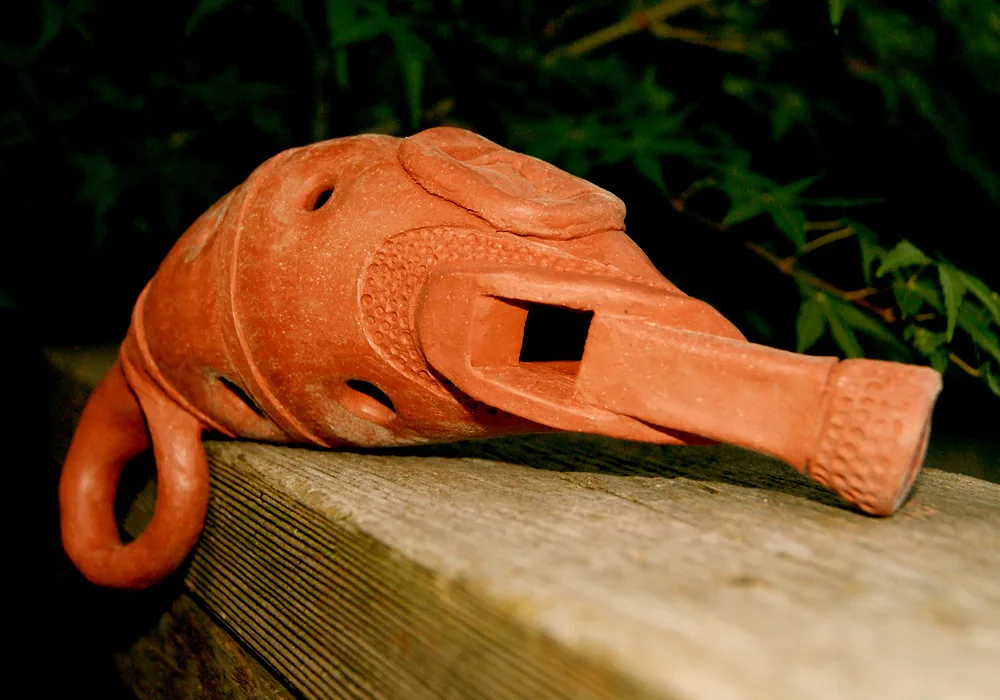
This buying guide helps families choose a simple, motivating instrument. It explains why the ocarina suits young beginners. Within a few hours, children can play melodies by covering the holes with their fingers.
Practical choices: the “sweet potato” shape or transverse models can suit different hand sizes. The number of holes ranges from 4 to 18. Good thumb support helps prevent bad habits and makes learning easier.
Materials and budget: plastic is durable enough for school; ceramic offers a warmer sound but needs careful handling. Reliable models often cost between €20 and €60, while some specialized instruments cost more than €100.
The following sections cover ergonomics, pitch range, tuning, types, brands available in France, and buying recommendations. The aim is a useful, lasting first purchase that is enjoyable to play.
Why choose an ocarina for a child now?
A compact, accessible instrument: this small wind instrument is played by blowing into its mouthpiece and covering its holes. Its simple design lets children understand how it works in minutes and play melodies within hours.
Motivation and quick progress: practicing fingerings produces noticeable results. This builds confidence and encourages regular practice.
A practical choice for beginners
Its ergonomic shape makes it easy to carry in a schoolbag and play while sitting or standing. It needs little maintenance, another advantage over some instruments.
- Relatively quiet and quickly rewarding, it helps sustain interest.
- It develops breath control, rhythm, and a musical ear.
- Different hole counts offer room to progress without changing instruments.
Introducing a child to this musical tradition, modernized by Giuseppe Donati more than a century ago, is simple and affordable. To learn more, see how to choose a first instrument.
Ocarina for children: choosing the right size and material
An instrument that fits the hand encourages accurate notes and enjoyment from the start.

Match the size to the child’s age and hands
Choose a compact body with holes close together: this helps fingers cover them completely and reduces air leaks. A good seal improves intonation and limits frustration.
Check the spacing between holes and whether there is a hole for a strap. A strap helps keep the instrument secure during travel and practice.
Plastic or ceramic: which material should you choose?
Plastic models are light, durable, and well suited to school or travel. The Night by Noble (Alto C) offers excellent value despite being made of plastic.
Ceramic ocarinas (Songbird, Stein/Focalink) produce a warmer tone and project better, but they are more fragile and require careful handling and a protective case.
Quality, durability, and sound: finding a balance
Build quality comes first: a clean windway, even hole edges, and reliable tuning help beginners progress faster.
- Choose a moderate weight to avoid fatigue.
- A good plastic model can be more stable than a low-quality ceramic one.
- Try the instrument if possible to check comfort and how easily the holes can be covered.
Practical tip: start with a simple, well-tuned model. Get a soft case, especially for ceramic, and show the child how to put the instrument down safely.
Hole count and handling: 4, 6, or 12 holes for young players
The number of holes directly affects learning and a young musician’s confidence.
Four- and six-hole models have simple fingering patterns. They are quick to get used to and help limit mistakes. A six-hole model can play up to about 17 notes, enough for familiar tunes and continued motivation.
A 12-hole model extends the range to nearly 21 notes. It is the most common format among beginners and professionals because players can keep using it as they improve.
Choose according to hand size and temperament
If the holes on a 12-hole model are too far apart, choose a six-hole model so the young player does not become frustrated.
A curious child who practices regularly may do well with a 12-hole model. For a cautious beginner, choose a four- or six-hole model.
| Number of holes | Approximate number of notes | Advantage | Consideration |
|---|---|---|---|
| 4 | About 12 | Very simple; ideal for the first few weeks | Limited range |
| 6 | About 17 | Good balance of simple fingerings and appealing repertoire | Allows moderate progression |
| 12 | About 21 | Extended range that supports progression | Requires more breath and a wider finger span |
Finally, make sure the booklets and tablature match the chosen model. To compare types and find a suitable first ocarina, consult this resource.
Pitch range and tuning: alto in C (AC) or soprano?
The choice of pitch range affects listening comfort and musical progress from the first lessons.
Understanding pitch range: the smaller the instrument, the higher its sound (soprano). The larger it is, the lower its sound (bass). An alto falls between the two and offers a useful balance.

Why choose an alto in C (AC)?
An alto in C offers a full range that beginners can use. It takes moderate breath pressure and has a gentle tone that suits sensitive ears.
Tuning in C: this makes sheet music and teaching methods easier to use. Some makers use the terms Tenor in C and Alto in C for the same register; keep that in mind.
Practical points
- A soprano has a bright, sometimes piercing sound; reserve it for players comfortable with high pitches.
- Check the intonation of notes throughout the range before buying.
- A 12-hole alto in C remains a versatile choice that supports progress without a change of instrument.
- Listen to one at home to choose the most comfortable tone.
| Pitch range | Characteristic | Advantage | When to choose it |
|---|---|---|---|
| Bass | Low sound, larger instrument | Warmth and depth | Teenagers or musicians seeking a mellow sound |
| Alto (C/AC) | Middle range, moderate breath pressure | Balance and ease for beginners | Most young beginners |
| Soprano | High sound, small instrument | Clarity and brightness | Players comfortable with high pitches |
Types of ocarinas: single, double, and multi-chamber models
Single-chamber models are more than enough to begin with; models with several chambers offer more possibilities.

Single chamber: the simplest route
A single-chamber ocarina is the usual model for beginners. Its straightforward design requires fewer adjustments and makes learning easier.
Lighter and easier to hold, it requires less coordination between breath and fingerings. It is ideal for young players.
Double chamber: more notes, more demands
A double ocarina has two chambers and therefore offers more notes. It expands the repertoire without requiring another instrument.
However, it is often heavier and more expensive, and it requires better control of breath and chamber changes.
Asian or Pacchioni fingering
The Asian fingering system maximizes range by linking the chambers. Pacchioni fingering emphasizes an even tone and easier transitions between chambers.
For learning, start with a simple model (an alto in C), then consider a double-chamber ocarina if the child remains motivated.
| Type | Advantage | Consideration |
|---|---|---|
| Single chamber | Easy, light, accessible | Limited range |
| Double chamber | More notes, versatile | Heavier, more demanding technique, higher cost |
| Multiple chambers | Wide range without changing instruments | More complex fingerings and tuning |
Materials and finishes: comparing plastic, ceramic, and wood
The material affects feel, durability, and tone from the first notes.
Plastic: light and durable, it stands up to knocks and travel. The Night by Noble (Alto C) illustrates these qualities, offering good intonation, comfort, and easy maintenance.
Ceramic: ocarinas from Songbird and Stein/Focalink produce a warm tone and have a carefully made finish. These 12-hole models need a case and protection from knocks.
Wood: less common, it offers a rich tone. It needs more care and responds to changes in humidity.
- Finishes (glazing and polishing) improve grip around the holes.
- Reputable brands often include a strap and a fingering chart.
- For maintenance, gently wipe the inside and avoid temperature swings.
| Material | Strength | Limitation |
|---|---|---|
| Plastic | Durable, affordable, light | Less rich tone |
| Ceramic | Warm tone, attractive appearance | Fragile, higher cost |
| Wood | Rich tone | Maintenance and sensitivity to humidity |
Tip: prioritize proven quality over material alone, and listen to demonstrations before buying.
Brands and budget: where to buy in France and online
Choosing a suitable brand and setting a clear budget make purchasing easier and help avoid surprises.
Budget guidelines: allow €20 to €60 for a reliable student model. Expect to pay €100 or more for refined finishes or handcrafted instruments, which often cost more because they are made by hand.
Reliable names include STL Ocarina, Songbird Ocarina, Stein/Focalink, and Noble. STL Ocarina and Songbird offer altos in C for around €50. Stein/Focalink offers a broad quality range.

Where to buy from France
- Thomann: a broad selection, with well-regarded delivery and after-sales service.
- Ocarina World: a Stein/Focalink distributor in Europe.
- French workshops (Musique de Terre): handcrafted ceramic instruments.
Practical advice: avoid general marketplaces, where intonation and tuning can be unreliable. Compare product descriptions (material, 6 or 12 holes, alto in C), check which accessories are included, and read reviews about intonation and hole spacing.
| Budget | Example brand | Strength |
|---|---|---|
| €20 to €60 | STL Ocarina, Noble | Good value for beginners |
| €100 or more | Stein/Focalink, Songbird | Better sound and finishes |
| Handcrafted | French workshops | Unique, more expensive instrument |
Buying and playing advice: safety, care, and progress
Safety, durability, and room to progress should guide your choice from the start. Make a checklist before buying: pitch range (alto in C), number of holes (6 or 12, depending on age), material (plastic or ceramic), included accessories, and return policy.
Safety: use a neck strap and show the child where to put the instrument when it is not in use. Do not let them play while running, to reduce the risk of falls.
Simple care: wipe the mouthpiece and inside after each session. Let the instrument air-dry, then put it in a case to help preserve its condition and tuning.
Progress: begin with short melodies. Ten to fifteen minutes a day is enough to improve breath control, intonation, and finger coordination.
- Choose a quality plastic model for school: it withstands knocks better.
- Ceramic offers a richer sound but is best for children who can handle it carefully.
- Check the intonation occasionally with a tuning app.
- Choose specialist retailers to avoid poorly tuned models sold on general marketplaces.
Useful resources: booklets supplied by brands and instructional videos suited to the instrument’s number of holes. Choose tunes the child likes to sustain motivation, and celebrate each improvement.
Conclusion
To sum up, focus on a size and shape that fit the child’s hands, a number of holes suited to their age, and a material that balances durability with sound quality.
Practical recommendation: a 6- or 12-hole alto in C is a strong first ocarina for beginners. Durable plastic (Night by Noble) suits more active children; ceramic (Songbird, Stein/Focalink) offers a richer tone if it is carefully protected.
Start with a single chamber. Two-chamber models, or double ocarinas, extend the range but require more technique and usually cost more.
Buy from reliable brands (STL Ocarina, Songbird, Stein/Focalink, Noble), and get a strap and case. That way, the instrument can encourage daily playing and progress.