
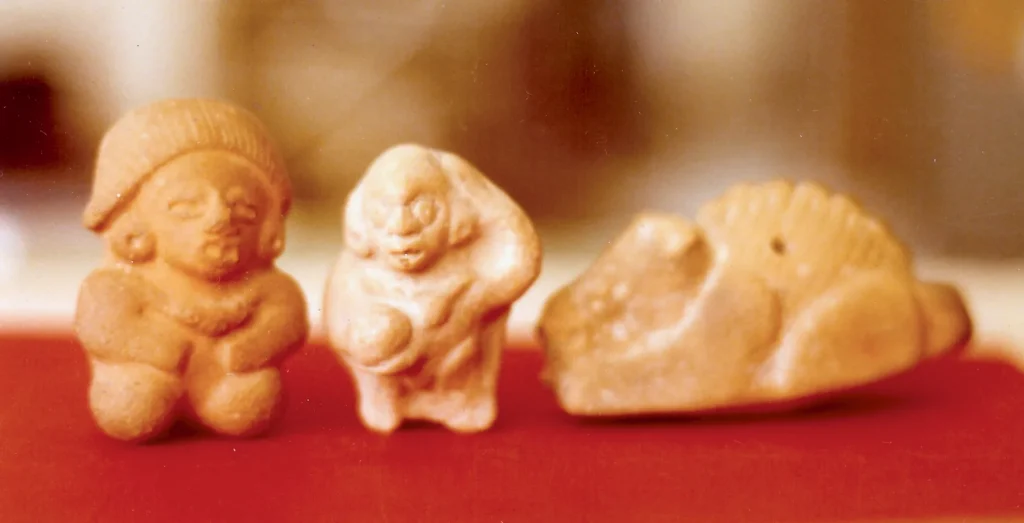
Which material offers the best tone and sound quality for your playing style, budget and skill level? This article offers a practical guide to making the right choice.
Avoid poorly tuned toys sold on marketplaces. Choose specialist retailers for playable ocarinas that stay in tune.
To start, a 12-hole alto ocarina in C (AC) remains the safest choice: it covers up to 21 notes without making learning too complicated. A 6-hole model may be enough for simple tunes and is easy to carry.
We will look at the three main material groups, their characteristic sounds and their advantages: projection and definition (ceramic: +15 dB), warmth and comfort (wood), and durability and affordability (plastic).
Finally, we will compare reliable brands (STL Ocarina, Ocarina World/Focalink, Musique de Terre, Songbird, Noble) and present buying criteria for shoppers in France, product examples and care tips to help you choose confidently.
2025 buying guide: how to choose the right material for your ocarina
In 2025, your intended use comes first: learning, performing, recording or travelling. Set your budget, your target skill level and the amount of care you are willing to provide.
Practical recommendation: if you are starting out, choose a 12-hole alto ocarina in C (AC) as your first instrument. This format covers a wide range and makes learning easier without excessive complexity.
Choose specialist sellers for dependable tuning. STL Ocarina and Ocarina World offer reliable models; makers such as Musique de Terre provide careful finishes. Avoid cheap marketplace models, whose tuning can vary.
Before buying online, check the tuning (AC, C3), return policy and warranty. Include the case and shipping costs in your budget. For teaching bundles, choose packages that include instructional materials and tablature.
| Criterion | Projection | Care | Recommended use |
|---|---|---|---|
| Low maintenance | Moderate | Simple | Travel, beginners |
| Strong projection | High | Humidity control | Stage, recording |
| Durability | Variable | Sturdy, economical | Schools, children |
For a detailed comparison of models and styles, see this comparison of different types of ocarinas.
Ocarina essentials: wind instrument, holes and skill level
The number of holes determines the available range of notes and affects playing technique. This compact wind instrument can be simple or highly versatile, depending on its design.

4, 6 or 12 holes, double or triple: which design should a beginner choose?
Four-hole and six-hole models are ideal for introducing children to the instrument. They are light and help learners control their breath and master basic fingering.
A 12-hole model suits most beginners. It offers versatility without making playing too complicated and helps you learn scales and note sequences.
Note range and playing: practical scope
For a numerical example, a 12-hole model covers up to 21 notes, while a 6-hole model can reach 17 notes with suitable fingerings. These ranges are enough for many melodies.
Double and triple chambers extend the range. The Asian-style double provides a continuous range. Pacchioni fingering overlaps notes between chambers to make the tone more consistent.
| Configuration | Approximate number of notes | Recommended use |
|---|---|---|
| 4 holes | About 8 to 12 | Introducing children, simple melodies |
| 6 holes | About 12 to 17 | Melodic basics, travelling light |
| 12 holes | About 21 | Beginners, versatile playing |
| Double or triple | > 21 (extended range) | Intermediate and advanced players, wider repertoire |
Practical tip: do not choose an overly complex model for your first purchase. Master a 12-hole model before investing in a double or triple.
A note on terminology: at STL, “Tenor in C” is equivalent to “Alto in C”. Always check the name before buying.
Ceramic ocarinas: tone, projection and finishes
Ceramic produces a clear tone and strong projection: up to 15 dB more than synthetic models, making it ideal for studio recording.
Glazed finishes play a major role. Glaze seals the walls more effectively, stabilises the notes and creates a smooth surface that supports consistent sound production.
Established brands offer reliable tuning. STL Ocarina has a wide range. Musique de Terre (Olivier Gosselink) is valued for its dense-sounding triple C3 models. Focalink/Stein, distributed by Ocarina World, offers consistent quality and good value.
Limitations and care: its vulnerability to impacts and temperature changes calls for caution (avoid temperature differences greater than 30 °C). Clean gently with alcohol or a suitable solution, then leave it to air-dry.
Well-designed 12-hole instruments keep their notes stable throughout their range. The internal shape and the precision of the holes directly affect tuning and the final sound quality.
Wooden ocarinas: warm sound, light weight and craftsmanship
Choosing a wooden ocarina means favouring a pleasant feel in the hands and an organic quality of sound.
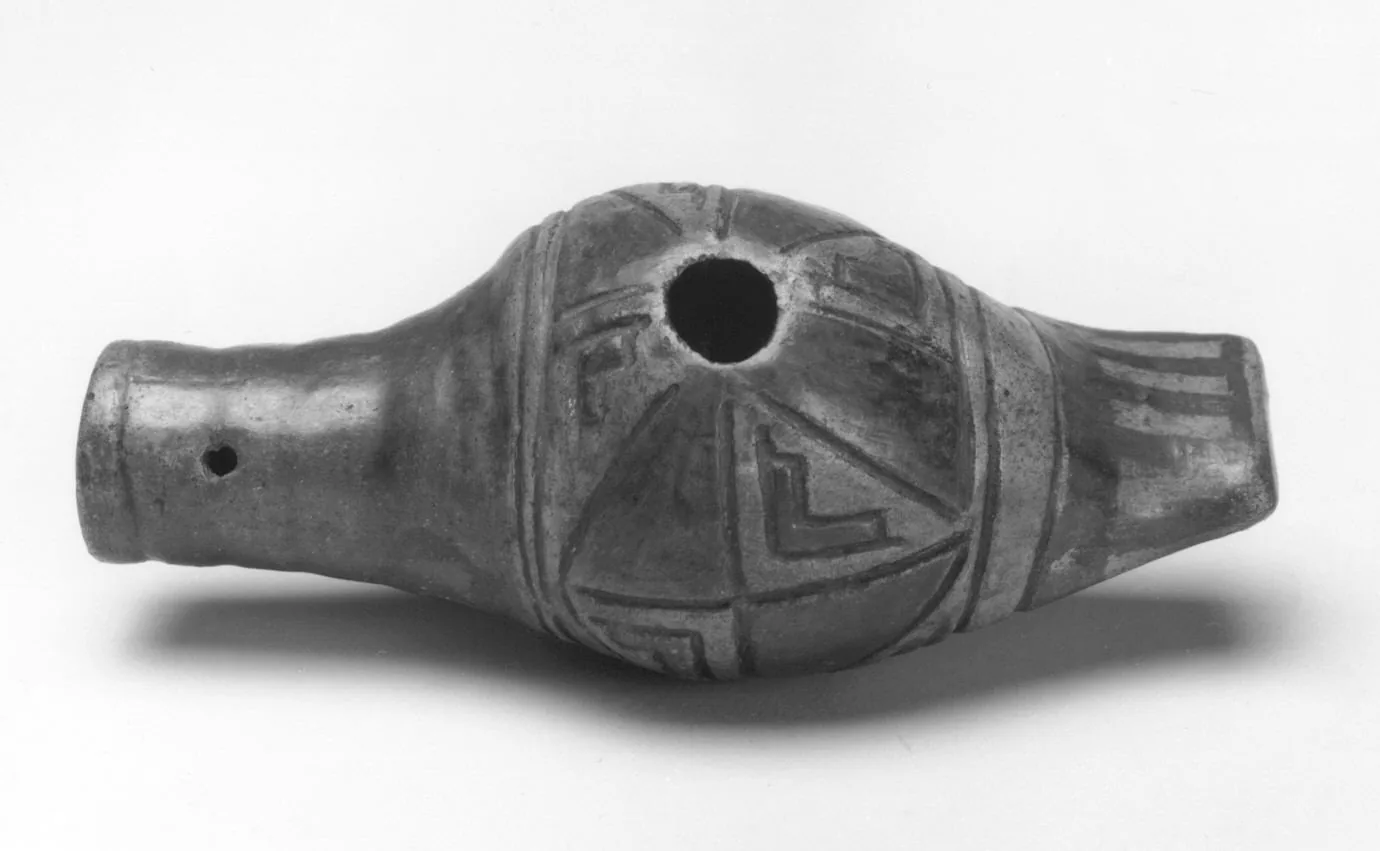
Woods and tone: maple, ebony and rosewood
Sound character: wood adds warmth that flatters low notes and softens high ones. This tone adds nuance to solo pieces and accompaniment.
The wood species affects the tone. Maple encourages clear attacks. Rosewood enriches the low register. Ebony offers good tonal balance.
Strength, lighter weight and humidity requirements
A well-crafted example weighs around 500 g, nearly 40% less than some ceramic models. Its lightness helps during long playing sessions or while travelling.
- Recommended relative humidity: 45 to 55% to prevent cracking.
- Apply water-repellent treatments and natural oils sparingly.
- Tuning stability depends on the material’s density and finish.
Hind Ocarina (Charlie Hind) remains a benchmark for wooden instrument making, thanks to its choice of woods and protective finishes. Care is more demanding, but the expressive quality rewards the investment.
Plastic ocarinas: durability, price and recommended models
For school use or travel, durability matters more than the pursuit of a perfect tone. A synthetic model is a practical, economical solution.
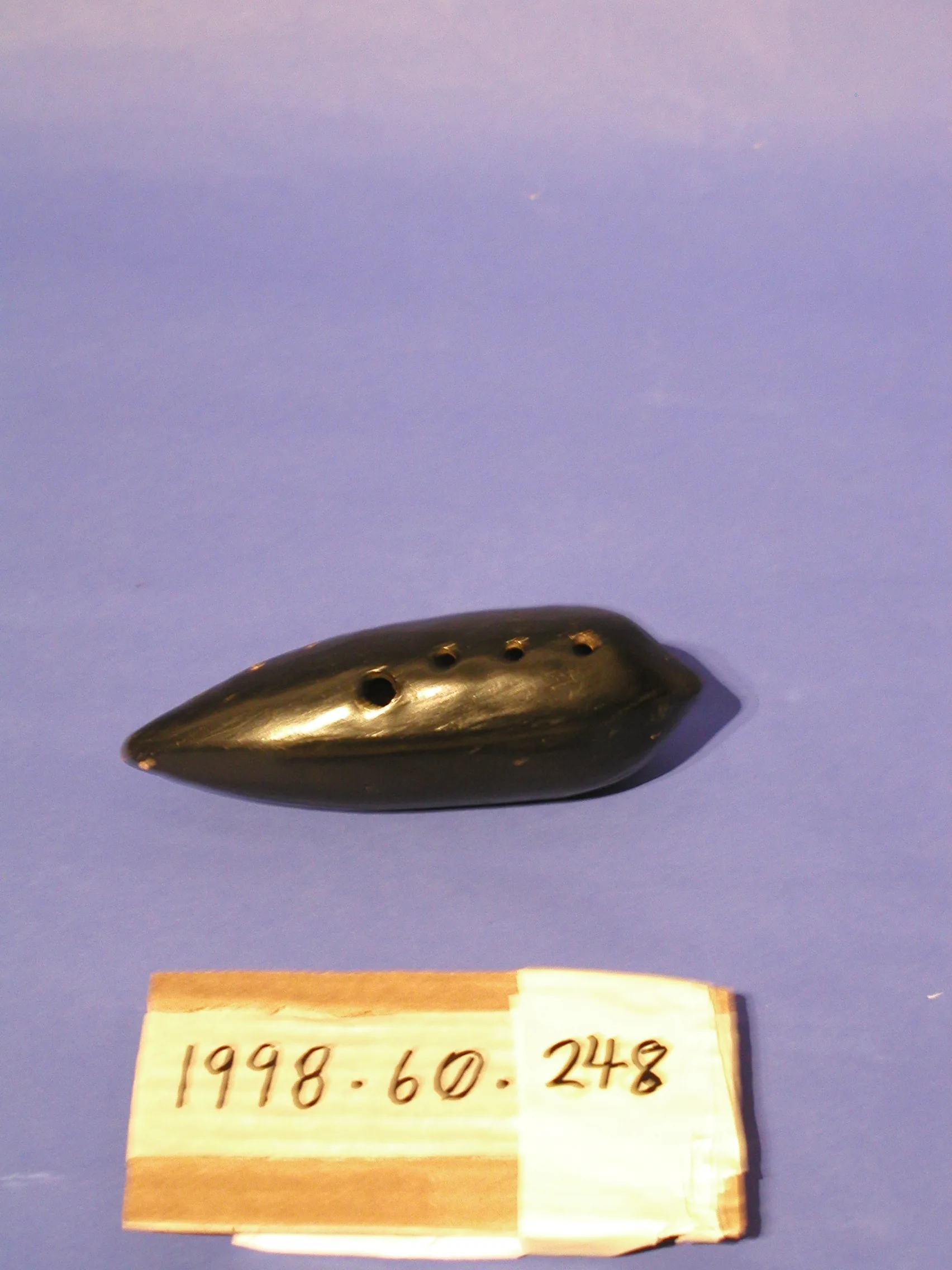
Night by Noble AC (Alto C) stands out for its stable tuning, clear, gentle tone and excellent durability. It comes with fingering charts and has a hole for a strap, making it easier to carry.
Well-designed models can match entry-level ceramic instruments for tuning accuracy. Plastic withstands impacts, moisture and temperature changes. That is useful if you travel often.
- Ideal for beginners and playing on the move.
- Less projection than glazed instruments, but enough definition for learning.
- Playful options (Songbird, themed editions) that motivate younger players.
- Useful accessories: fingering charts, straps and cases.
| Advantage | Description | Recommended use |
|---|---|---|
| Durability | Withstands impacts and moisture | Travel, schools |
| Price | Affordable; good value | Beginners, group purchases |
| Practicality | Accessories included; light weight | Daily transport, first lessons |
Practical tip: check the tuning (AC) and the maker’s reputation before buying. Choose a synthetic model when durability, price and ease of use are priorities, while still looking for accurate tuning.
Ceramic, wooden or plastic ocarina: which sounds best?
Each material offers a different expressive palette suited to particular settings.
Comparing tones: clear and resonant or warm and organic
Ceramic offers a clear tone and strong resonance. It brings out harmonics and helps a note stand out in a recording.
Wood produces a warm, gentle sound. It supports expression and feels pleasant to hold, especially for solo pieces.
Plastic remains neutral and dependable. Its definition is sufficient for learning and playing on the move.
Projection, tuning stability and response in the high register
Ceramic’s projection favours it for stage and studio use. High notes hold better on instruments made from dense materials, whether fired clay or wood.
Tuning stability depends mainly on design and finish, not just the material.
Weight, durability and budget: choose for the way you play
Your priorities guide the choice: microphone use and projection for ceramic; expressive warmth for wood; portability and price for plastic.
| Material | Main strength | Recommended use |
|---|---|---|
| Ceramic | Strong projection, clarity | Studio, stage |
| Wood | Warm tone, light weight | Solo, accompaniment |
| Plastic | Durability, low price | Travel, schools |
Choosing by skill level: beginner, intermediate or advanced
A clear path helps you improve. To begin, choose a 12-hole alto ocarina tuned to C (AC). This format makes it easier to learn breath control, fingering and note sequences without complicating the technique.
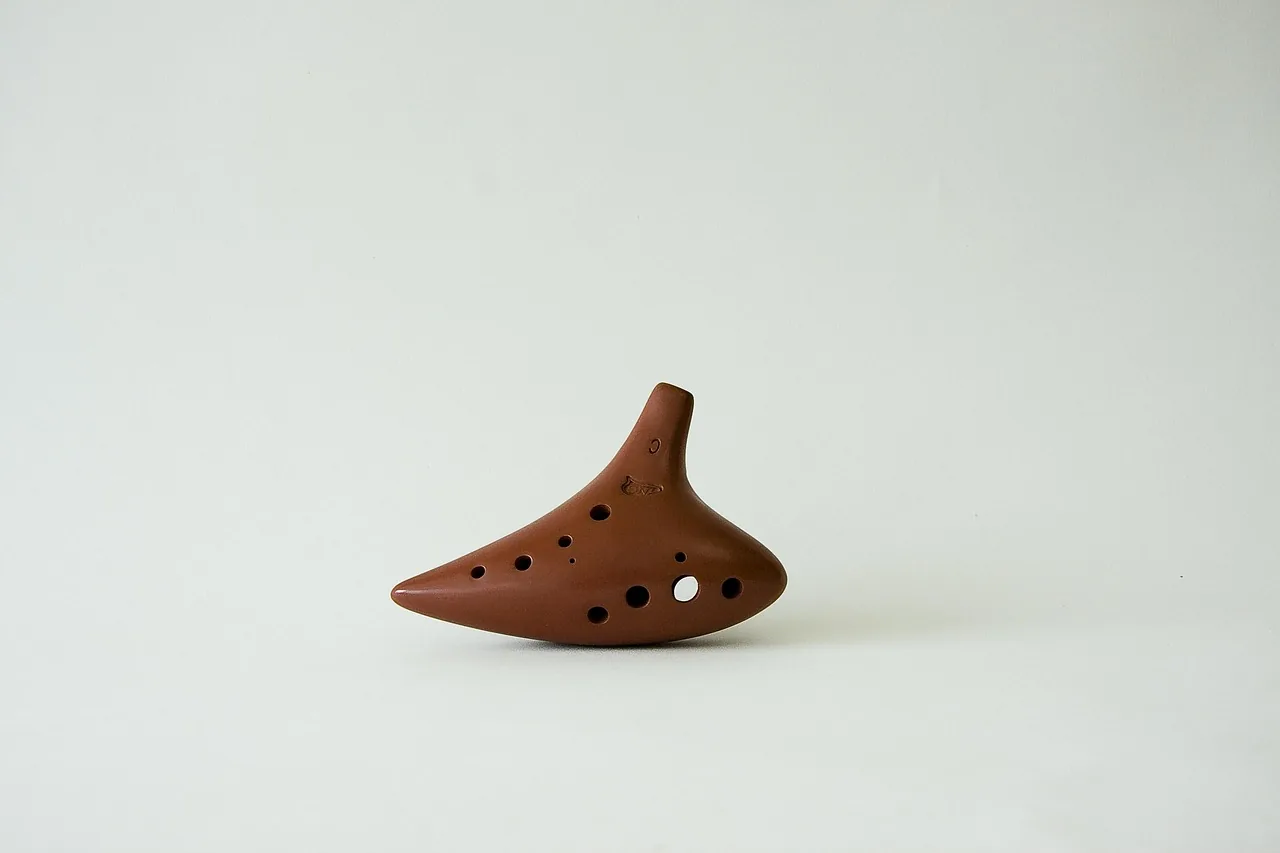
First instrument: build solid foundations with 12 holes
Prioritise accurate tuning and easy sound production over appearance. A good first ocarina should respond quickly and stay in tune. Check its tuning, the consistency of its holes and whether its shape suits your hands.
Progressing: doubles, triples and fingerings
At the intermediate level, explore a double ocarina with Asian-style fingering. It extends the range without overturning the fingering patterns you have learned.
Pacchioni fingering deserves a mention: it overlaps notes between chambers. This makes the tone more consistent and gives greater flexibility in fast passages.
To cover two octaves with Pacchioni fingering, you may need a triple. Reserve this choice for advanced musicians ready to manage more holes and fingerings.
- Beginners: a 12-hole AC model for learning.
- Intermediate players: a double ocarina to extend the range.
- Advanced players: a triple with Pacchioni fingering for two octaves.
Practical tip: invest gradually in a better-made instrument. Instrument quality matters more than the number of chambers. Also match your choice to the setting (group playing, recording, busking) and the shape of your hands for maximum comfort.
Range and tuning: soprano, alto, tenor, bass… and their uses
Range defines the notes available on an instrument. It covers all the notes you can play and helps you choose according to your repertoire.
Uses of each register:
- Soprano: high register, ideal for lively melodies and fast passages.
- Alto/tenor: balanced low and high registers, versatile for accompaniment and solos.
- Bass: low, rounded register; larger and more expensive, useful for sustained lines.
Common tunings: C, G, F and B-flat. AC means “Alto in C”; C3 follows European naming conventions. Check the designation before buying.
How material affects sustained notes, attack and breath comfort
Ceramic helps low notes remain steady and supports sustained lines in recordings.
Dense wood offers a faster attack, appreciated for articulation in the high register.
Size and tuning affect breath comfort: larger bodies require more air for long phrases.
Practical advice
- Choose a range that suits the average pitch of your pieces.
- Try several tunings to feel where the notes fall under your fingers.
- For example: a ceramic alto or tenor for gentle traditional tunes; a wooden soprano for fast passages.
In short: combine range, tuning and material to improve note sustain, attack and ease of breathing.
Brands and makers worth considering
This overview of makers helps you identify reliable options, from budget models to premium instruments.
International brands
STL Ocarina offers a wide range and provides a useful point of comparison for formats and prices. Songbird makes distinctive models that appeal to enthusiasts.
Ocarina World distributes Focalink/Stein, known for reliable, well-tuned 12-hole models. Noble stands out with Night by Noble, a durable, practical option for travel.
Artisans and premium instruments
Musique de Terre (France) appeals to music lovers seeking genuine craftsmanship and fine sound quality. Spencer and Hind serve the premium market; Dinda offers excellent value.
Other reliable options
Aketa, Pure Ocarinas, Budrio (Fabio Menaglio), Imperial City and Oberon round out this overview. These makers have been around for many years and are appreciated by the community for consistent tuning.
Practical tip: listen to demonstrations, check availability in the EU and try the instruments if possible. This article also recommends trying a double ocarina if you need a wider range.
Where to buy safely from France
Choosing a reputable seller is the first step towards avoiding unpleasant surprises. Favour specialist shops and official websites that offer advice, a warranty and tuning checks.
Specialist shops and official websites
Ocarina World (a Focalink/Stein retailer), STL Ocarina and the maker Musique de Terre are reliable names for buyers in France. They provide specifications, customer service and often after-sales support.
Marketplaces: risks and safeguards
General marketplaces sometimes sell poorly tuned or counterfeit models. The DGCCRF reports detecting nearly 34% copies.
Check high-resolution photos, verified reviews, free returns and the serial number before paying.
Purchases from outside the EU: charges, delivery times and returns
Allow for VAT and duties of around 15%, as well as longer delivery times. Confirm the return policy and warranty before buying online.
| Criterion | Advice | Why it matters |
|---|---|---|
| Seller type | Specialist website | Checked tuning, after-sales support |
| Photos and reviews | High-resolution photos and free returns | Lower risk of counterfeits |
| Purchase from outside the EU | Check charges and delivery times | Avoids unexpected costs |
Final tip: contact the seller to confirm that the tuning has been checked and that insured shipping is available. Spending a little more with a reputable seller is better than receiving an unplayable instrument.
Common buying mistakes to avoid
Buying an instrument without checking its tuning remains the most common mistake. Poorly tuned budget models are still widespread, often advertised as permanently discounted. Do not judge by appearance alone: attractive glaze does not guarantee stable notes across the whole range.
Practical advice:
- Test the tuning with a tuner (check A at 440 Hz) or ask the seller for a reference recording.
- Be wary of bundles packed with extras: most returns concern tuning, not accessories.
- Check the brand’s authenticity on its official website and using the serial number to avoid copies.
- If you are a beginner, avoid buying a double or triple too early: their complexity slows progress.
- Read the purchase terms: delivery times, returns and hidden charges should be clearly stated.
| Mistake | Risk | Recommended action |
|---|---|---|
| Judging by appearance | Poor tuning | Request a tuning test |
| An offer that looks too good | Poorly tuned instrument | Compare two or three offers |
| Confusing a brand with a copy | No after-sales support | Check the official website and serial number |
| Buying a complex instrument | Slower progress for beginners | Start with a simple model |
| Ignoring consumer rights | Surprises after purchase | Remember the 14-day withdrawal period and two-year warranty |
Final tip: always ask about the tuning (AC, C3, G, F, B-flat) and a suitable case. In France, remember your rights: 14 days to withdraw and a two-year legal guarantee if the product is defective.
Accessories and care to preserve sound quality
Good equipment extends your instrument’s life and helps preserve its tuning. Simple habits and suitable accessories prevent many problems while playing or travelling.
Cases, tuners and learning materials
Choose a rigid, padded case for transport. Label it with the tuning to avoid confusion during rehearsals.
A reliable tuner lets you check tuning over time. Add a music stand or digital reader for methods such as Hal Leonard or Ocarina Method Pro, as well as tablature from OcarinaTabs.
Ceramic: clean it with a microfibre cloth and a mildly alcoholic solution. Avoid thermal shock (temperature differences greater than 30 °C). Store it in a case with a hygrometer; diluted white vinegar can remove stubborn deposits.
Wood: maintain relative humidity at 45 to 55%. Oil it every six months and keep it away from radiators and direct sunlight. Wipe it daily with a dry cloth.
| Accessory | Purpose | Recommendation |
|---|---|---|
| Rigid, padded case | Protection from impacts | Tuning label and a compartment for a hygrometer |
| Tuner | Checking tuning stability | Accurate chromatic tuner |
| Music stand or digital reader | Following learning materials | Compatible with apps and online tablature |
| Instrument insurance | Cover for breakage or theft | Useful for frequent travel |
Planned care
Schedule regular checks: dry the instrument fully after cleaning, monitor humidity and oil wood twice a year. Use straps and stands to keep the instrument secure during breaks.
Conclusion: simple care and suitable accessories help keep the sound consistent and extend your ocarinas’ lives. Spending a little on a good case, hygrometer and tuner pays off in the long run.
Conclusion
Ultimately, the ideal instrument depends on your musical setting. Ceramic stands out for its projection and suits the studio; wood appeals through its tone and comfort; plastic offers reassurance through its durability and price.
Practical tip: start with a 12-hole AC model to build good foundations, then consider a double or triple according to your repertoire. Buy from reputable retailers (STL, Ocarina World, Musique de Terre) and plan for charges on purchases from outside the EU and the warranty terms.
Try several models to feel how they respond under your fingers. Care for your instrument regularly to preserve its tuning stability and extend its life.
Read this article again as a checklist before buying. A considered choice will make the most of your budget and help you progress. Enjoy playing and discovering new sounds over many years of solo or ensemble music.