
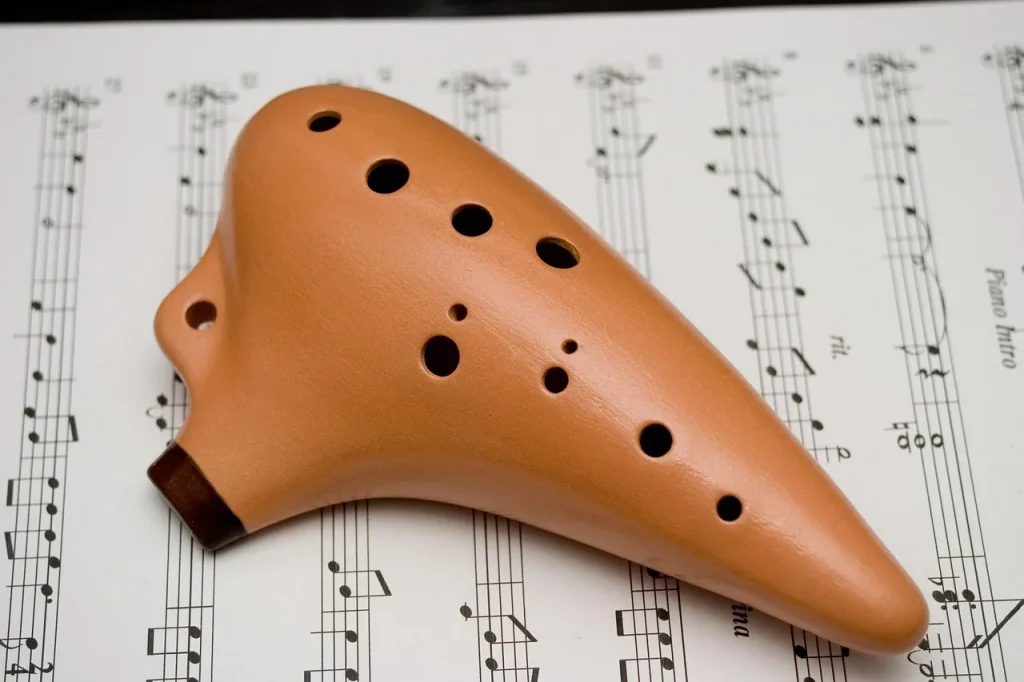
A simple and rewarding wind instrument, the ocarina has roots among the Maya and Aztecs. Giuseppe Donati standardized its shape in the 19th century, and popular culture brought it back into the spotlight in 1998 with Zelda.
Teachers widely recommend this type of ocarina to beginners. Its comfortable shape and logical fingerings, based on lifting fingers in sequence, make it quick to learn.
Its range covers about 22 notes (1.5 octaves), enough to play many melodies without making the instrument harder to approach.
In France, established brands such as STL, Songbird and Thomann offer options suitable for a first purchase. Common materials are ceramic (a warm sound) and plastic (lightweight and durable).
When choosing, consider comfort, sound and budget: entry-level models cost €30–€80, mid-range models €80–€150, and high-end models start at €150. To explore the available models, see a useful selection here.
Buying guide: understanding the ocarina, an accessible wind instrument
This compact wind instrument makes learning enjoyable from the first few minutes.
The ocarina remains one of the easiest instruments to pick up. It responds immediately to your breath, and progress stays motivating over time. You can grasp the principle in minutes and play your first melody within hours.
Types and the effect of hole count: transverse and “sweet potato” models are available. Variants have 4 to 18 holes. Hole count affects range and fingering patterns, but does not necessarily make an instrument harder to play.
This buying guide aims to help you choose an ocarina for your skill level, preferred ease of play and budget. Compare hole placement, fingering patterns, weight and comfort. A good first choice helps you avoid replacing your instrument too soon and supports lasting enjoyment.
- Getting started: speed and ease of learning.
- Types: a transverse model for comfort, or another shape to suit your hand size.
- Factors: ergonomics, weight and suitability for your musical goals.
12-hole ocarina: why it is ideal for beginners
This instrument’s range covers nearly 22 notes, or about 1.5 octaves. That is enough to play most popular and traditional tunes without changing instruments.
A useful range and smooth transitions
This range allows a smooth transition from low to high notes. Opening the holes progressively makes each interval feel more natural.
Intuitive fingerings and a comfortable design for learning
The fingering pattern is based on lifting fingers in sequence. To move up a note, you lift one finger after another, making the pattern easier to remember.
- Ease of learning: according to some reports, beginners learn 20 melodies in three months.
- Less fatigue: a comfortable design that helps steady your breath lets you focus on musical expression.
- Practicality: one chamber is generally enough to start; multi-chamber instruments can come later.
In practice, this model lets you play complete pieces fairly quickly. That builds motivation, encourages regular practice and makes progress easy to notice.
Compare ocarina types before buying
Different designs balance portability against musical range.
Compact designs (4, 6 and 8 holes): ideal for children and hikers. Four-hole models often play 8 notes (one octave). Six-hole versions can reach up to 17 notes, but require less intuitive fingerings.
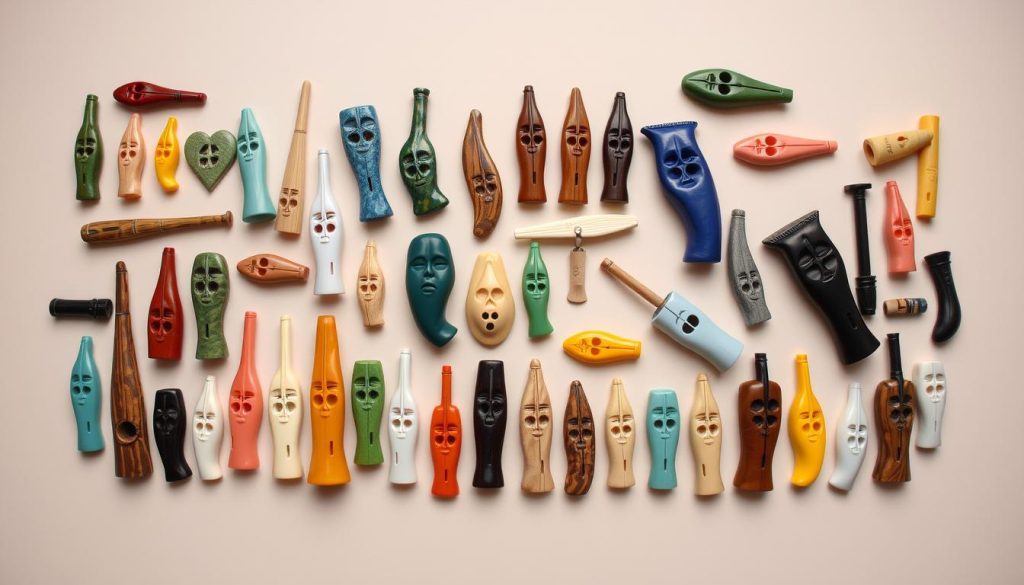
10- and 12-hole transverse models
Transverse models descended from Donati’s design offer an excellent balance. The 12-hole design extends the range without complicating the fingerings, making it easier to learn and play many pieces.
Multi-chamber ocarinas: double, triple and beyond
These instruments increase the range by about 50% and open up harmonic possibilities. They do, however, require finer control of breath and fingers, as well as up to 300 hours of practice to become comfortable with them.
- Best use: a 12-hole model for learning and playing varied pieces.
- Progression: start with one chamber, then move to multiple chambers.
- A word of caution: beware of poorly tuned copies; choose established brands and try the instrument before buying, or consider trying an STL ocarina.
| Type | Number of holes | Approximate range | Recommended for |
|---|---|---|---|
| Compact | 4 to 8 | 8 to 17 notes | Children and very young beginners |
| Transverse | 10 to 12 | About 22 notes | Adult beginners and enthusiasts |
| Multi-chamber | Two or more chambers | Range increased by about 50% | Advanced musicians |
How an ocarina works: mouthpiece, holes and acoustics
The way air moves through the cavity determines the pitch and tone. This simple mechanism explains why a small movement can change a note.
Mouthpiece, edge and Helmholtz resonance
Air blown into the mouthpiece strikes an edge. This creates Helmholtz-type resonance inside the cavity.
The more holes you open, the smaller the effective resonating volume becomes and the higher the frequency rises. Hole placement and use therefore directly affect the notes.
Breath, fingers and tuning
Keep a steady posture and control your air pressure: blowing too hard pushes a note out of tune and causes fatigue. Begin with a gentle breath, steady the sound, then gradually increase the pressure.
Air leaks occur when your fingertips do not fully cover the holes. Adjust the angle of your hands and position your fingers carefully to improve the seal.
- Getting a clear sound: blow gently → steady the sound → adjust your breath.
- Care: wipe the instrument after playing and carefully clean around the holes with a dry cloth.
- Practice: short, regular sessions strengthen control and expression, helping you play expressive melodies.
Materials and quality: how do ceramic and plastic affect sound and durability?
Material influences both the character of the sound and the instrument’s lifespan.
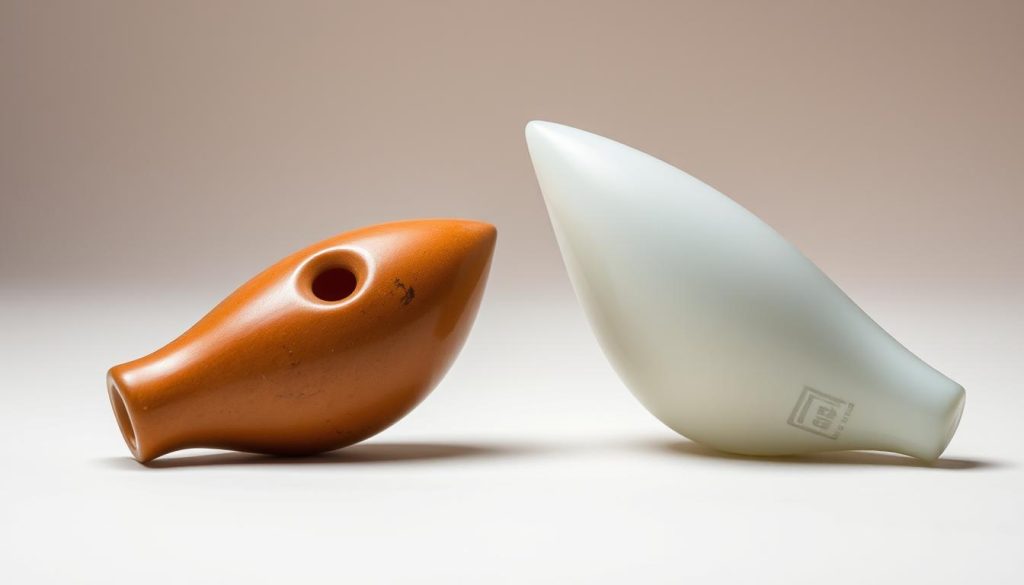
Ceramic: warm tone and traditional appeal
Ceramic produces a warmer sound rich in harmonics. Its full tone works well for solo pieces and sound projection.
This material is fragile, however. Use a case and protect the instrument from impacts.
Plastic: durability and convenience
Plastic is lightweight, durable and often more affordable. Its tone can sound more direct, which suits practice and travel.
The Night by Noble model, at around €59, is a popular example; it is an option worth considering when price and durability matter.
- Sound character: ceramic offers harmonic richness; plastic gives a clear attack.
- Durability: plastic is better suited to travel; ceramic needs more care.
- Quality: finish and tuning matter as much as material for accurate notes.
For good value for money, STL ceramic models often cost €129–€299, while Thomann offers well-tuned alternatives.
Whatever type you choose, check the tuning and the seal around the holes before buying. If possible, try several finishes to find the sound that inspires you most.
Budget, brands and value for money in France
Price often affects the quality of the finish and how accurately the instrument plays from the first note. Here are some useful price ranges to guide your purchase.
Price ranges:
- Entry level — €30–€80: simple finishes and commonly used plastics; suitable for discovering the instrument.
- Mid-range — €80–€150: more consistent tuning and carefully made ceramic or plastic; often the best value for a beginner who plans to keep playing.
- High end — from €150: artisan-made, double-chamber or premium-finish instruments; worthwhile if you seek a particular sound.
Recommended brands: STL, Songbird and Thomann offer reliable, well-tuned instruments available in France. Some Thomann models are particularly valued for their consistent build quality.
Before buying, try the instrument in a shop to check how it responds to your breath, how the holes fit your hands and how well it plays in tune. Some users report that trying an instrument first increases satisfaction by about 40%.

One way to progress is to start with a mid-range 12-hole model, then move to an artisan-made ceramic instrument if your musical goals call for more character. You can also consult a comparison of ocarina types to refine your choice.
Key criteria for choosing your first 12-hole ocarina
Start by checking how the instrument fits your hands and responds to your breath.
Hand size and comfort: size affects your reach to the holes, how well you seal them and your posture. Test the grip with both your left and right hands to find the most natural position.
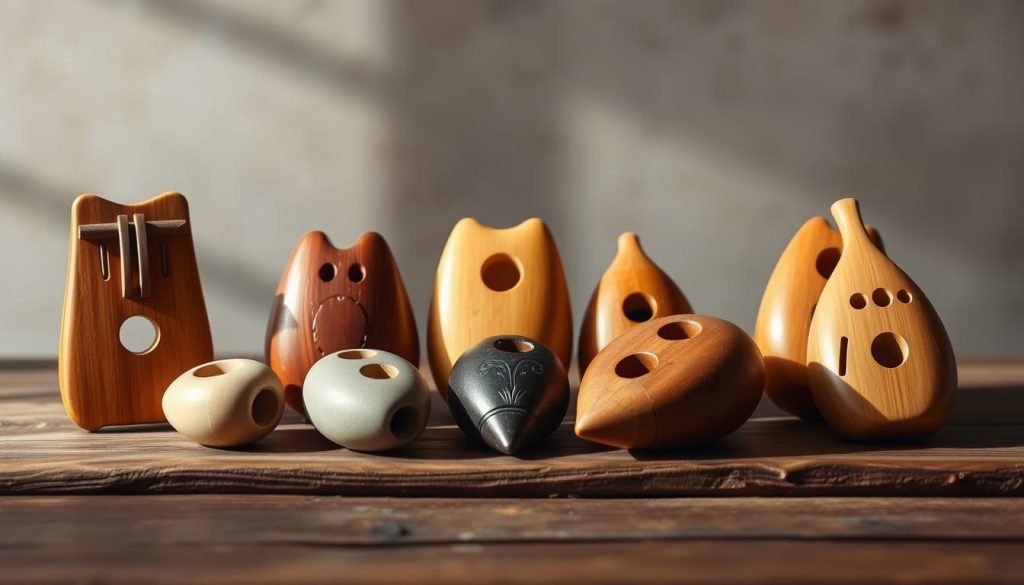
Focused tests: check how the instrument responds to finger movements, how easily you can articulate notes and how stable the notes are across its range. Play a few simple pieces to judge the tuning and the balance between low and high notes.
Instrument type and range
A standard 12-hole model is versatile enough for most music. Two- and three-chamber models extend the range but are mainly intended for advanced players.
- Assess quality: tuning, consistency of the holes and sound projection.
- Compare options: consider materials, tunings and shapes alongside ease of play.
- Checklist for a trial: tuning, finger comfort, ease of articulation and breath endurance.
Practical tip: choose a reliable first instrument, then move to more specialized models later. For a quick overview, consult a guide to beginner ocarinas.
Conclusion
A well-balanced instrument makes learning easier and practice more enjoyable.
A 12-hole model combines a comfortable shape, a useful range of notes and a simple mouthpiece. It is particularly suitable for beginners and players who want to progress quickly.
Choose a quality ceramic or plastic model, test the tuning of every note and check that it feels comfortable in your hands.
Compare prices and models (STL, Songbird and Thomann are good examples). After one or two years, consider an additional chamber if your music requires it.
In practice: favor short, regular sessions, build a repertoire that suits your level and listen to different players to develop your ear and guide future purchases.