
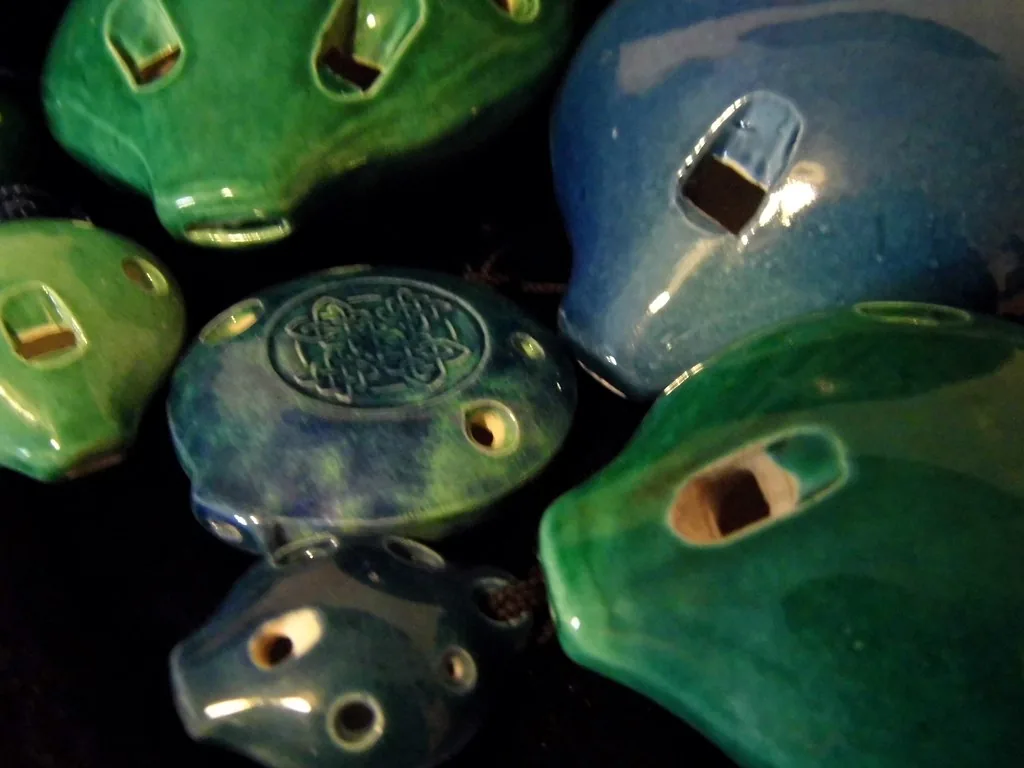
Goal of this 2025 guide: to provide an impartial overview of ocarina quality, a clear assessment of the brand, and practical advice for choosing an instrument suited to your level.
This globular wind instrument has regained a large audience thanks to The Legend of Zelda. It appeals to music lovers and gamers alike. The ocarina is easy to pick up and offers a rich range of sounds.
Assessment criteria: pitch accuracy, comfort in the hands, number of holes (12-hole models often cover 21 notes), tuning consistency, materials such as ceramic or ABS, and after-sales service.
We present our testing method, 2025 trends, a comparison of models for beginners and experienced players, and recommendations by budget. Our aim is to provide factual information and immediately useful advice to help you choose well.
Why STL Ocarina Appeals to Musicians in 2025
The wave of curiosity about this instrument began when millions of gamers discovered it. Since then, it has established itself beyond gaming and found a place in contemporary repertoires and popular music.
From Zelda to the Stage: The Rise of an Instrument
Growth: media exposure has led to more schools, videos, and sheet music. Twelve-hole models in C remain the starting point because 90% of sheet music is compatible with them.
Meeting the Needs of Beginners and Experts
Learning resources: themed bundles, more than 300 tutorials, and learning packs make it easier for beginners to get started.
- Beginners: easy-to-play models, standard fingering, and motivating guided content.
- Intermediate and expert players: a reliable AC alto for the stage and double- or triple-chamber models for a wider range.
- Materials: ceramic for a warm sound; ABS for durability while traveling.
In 2025, a range designed for every level and an extensive set of learning resources can shorten the time needed to learn. To choose suitable sheet music for beginners, see our sheet music guide.
Our Testing Method and Assessment Criteria
Our tests combine acoustic measurements with playing the instrument to assess its performance. The aim is to evaluate pitch accuracy, ergonomics, and durability reliably.
Testing Pitch Accuracy, Ergonomics, Breath, and Range
Procedures: measuring pitch accuracy across all playable notes, checking intonation at different breath pressures, and making A/B comparisons between ranges.
Ergonomics: we test comfort in the hands, access to the outermost holes, and fingering accuracy during fast passages over long playing sessions.
- Assessment of the breath pressure needed to produce a note and the usable dynamic range.
- Checking the 21 notes on 12-hole models and estimating the actual range gained with double-chamber models.
- Inspection of the finish: beveled edges, drilled holes, and tuning consistency between instruments.

Materials and Durability: Ceramic and Plastic in Real-World Conditions
We compare ceramic, which gives the tone warmth, with ABS and other plastics, which resist impacts better and are more stable while traveling. Longevity and tuning consistency strongly influence perceived quality.
When weighting the criteria, pitch accuracy and comfort take priority for beginners and advanced players alike. This repeatable assessment helps identify the best ocarina for your needs and musical preferences.
STL Ocarina: Review of the Brand and Its Models
The range covers every level, from a first attempt to playing on stage. It includes learning packs, stage-ready models, and instruments with multiple chambers.
Beginner Range: Twelve Holes in C and Bundles
Twelve-hole models in C remain the standard choice for beginners. “Zelda” bundles include an instrument, sheet music, and video tutorials.
Practical advantage: a guided start and standard fingering help you develop steady intonation.
Intermediate Players: The AC Alto for the Stage
The AC alto stands out for its comfort in the hands and stable pitch in concert.
Its consistent finish and clear articulation make it a reliable choice for daily practice.
Advanced Players: Double and Triple Chambers
Double- or triple-chamber versions extend the range to approximately 2 to 2.5 octaves.
Extra notes and additional fingerings allow more expression but require finer breath control.
Value for Money and Tuning Consistency
The range includes more than 50 models, with ceramic for a warm tone and ABS or other plastics for durability while traveling.
Tip: choose ceramic if tone matters most to you, or plastic if you often play away from home.
“Standardized fingering and included tutorials reduce differences between instruments and make progress easier.”
| Level | Type | Strengths | Best for |
|---|---|---|---|
| Beginners | Twelve holes in C | Easy playing, learning packs | Guided learning and beginners |
| Intermediate players | AC alto | Stable pitch, comfort in the hands | Stage performance, regular practice |
| Experts | Double and triple chambers | Wide range, expressiveness | Arrangements, advanced performances |
Overall, the range offers good value for money and practical resources (case, tuner, tutorials) to help you improve, whatever your level.
Quick Comparison: STL, Thomann, Dinda, Focalink/S… and Other Makers
With major retailers, artisans, and online brands to consider, the choice can quickly feel confusing. Here is a clear overview to help you choose according to your priority: learning resources, budget, or exceptional quality.
This brand’s strengths: more than 300 tutorials, learning packs, standardized fingering on 12-hole models, and generally consistent pitch between instruments. These features make independent learning easier.
Thomann and Dinda focus on excellent value for money. Thomann offers popular 12-hole ceramic models (for example, the Blue Sweet Potato) for players on a budget. Dinda, often found on Etsy, offers a good introduction and has many customer reviews.
Focalink/S… stands out for acoustic innovations and professional models, particularly double- or triple-chamber instruments that increase the range by around 50%.
Artisans (Pacchioni, Gosselink, Oberon, Hind): unique pieces, careful finishing, and a pursuit of sonic excellence. Expect longer lead times and higher prices.

“The right choice depends mainly on your priority: learning resources, value for money, or artisanal excellence.”
Materials and Sound Quality: Which STL Should You Choose?
The material profoundly affects an ocarina’s character and how it performs while you play. Here we compare ceramic and plastic to help you choose according to your needs.

Ceramic Ocarinas: Warmth, Projection, and Care Requirements
Sound qualities: ceramic offers rich overtones, warmth, and greater projection. It works particularly well for expressive melodies and studio recordings.
Limitations: this material remains sensitive to impacts and temperature changes. Sudden temperature shifts can cause tiny cracks, and maintenance calls for care and regular checks.
Plastic and ABS: Durability, Travel, and Models for Beginners and Children
Practical strengths: ABS is light, stable, and resistant to drops. It is a favored choice for outings, school workshops, and travel.
Consistent manufacturing makes tuning and maintenance easier. In practice, a plastic model often lasts longer without special care.
Indicative lifespans: ceramic, 3 to 7 years with care; plastic, 5 to 10 years depending on use.
Choosing and combining models: for playing at home or recording, choose ceramic for its sound quality. For outdoor rehearsals or younger players, choose plastic. Two complementary models—a primary ceramic ocarina and a backup ABS model—offer a balance of sound quality and durability.
Range, Tuning, and Number of Holes: Choosing the Right STL
Range determines which melodies will feel natural to play. Choosing a soprano, alto, or bass affects tone, projection, and ease of playing.

Alto, Soprano, Bass
Alto: tonal balance and versatility; it accounts for approximately 80% of sales. Ideal if you want to play a variety of pieces without compromise.
Soprano: high register and bright, lively passages.
Bass: a deep low register, useful for enveloping melodic lines and accompaniment.
Tuning in C, G, and F
C offers the best compatibility with sheet music and the piano.
G requires around 20% less breath.
F gives a warmer tone suited to intimate pieces.
Six or Twelve Holes, Double or Triple Chambers
Six-hole models are simple and ideal for getting started. Twelve-hole models cover approximately 21 notes and suit 90% of commonly available sheet music.
Double- or triple-chamber models extend the range to approximately 2.5 octaves but make fingering and breath control more complex. They are best left to advanced players.
- Tip: twelve-hole models in C remain the best choice for most players.
- Always test the high notes and intonation across the instrument’s range before buying.
“Choose according to the range you need, the tuning of your sheet music, and the number of holes that suits your progress.”
Where to Buy an STL Ocarina Safely in France
Buying an ocarina in France calls for a few checks to avoid unpleasant surprises. A careful choice protects the quality of your instrument and your budget.
Official Website and Specialist Shops: Traceability and After-Sales Service
Choose the official website or specialist French or European shops. These channels offer better traceability, fewer defects, and responsive after-sales service.
Practical benefits: expert advice, easier returns, and official accessories (case, manual, verification QR code).
Marketplaces: Spotting Counterfeits and Avoiding Pitfalls
Marketplaces offer attractive deals but also carry risks. Watch for inconsistent logos, unusual weight, missing certificates, and misused official photos.
Read seller reviews and favor European sellers. Listings on some sites (for example, eBay) may pass on fees that increase the final price.
| Sales channel | Estimated delivery time | Risks | Advantage |
|---|---|---|---|
| Official website and EU shops | Approximately 7 to 15 days | Few defects | Traceability, after-sales service |
| Marketplace (EU) | Approximately 7 to 20 days | Unverified seller | Occasional lower prices |
| Imports from outside the EU | Approximately 15 to 30 days | VAT of around 20% and duties | Access to more models |
Practical advice: check the named manufacturer and whether official accessories are included, then combine purchases to share shipping costs. This helps you buy your ocarina with confidence while making the most of your budget.
Getting Started with an STL: Progress, Tutorials, and Sheet Music
A sound foundation speeds up your progress and helps prevent common mistakes.
Adopt a short, regular routine: 20 minutes a day builds fingering skills more effectively than long, irregular sessions.
Thirty-day plan: week 1, simple notes (C, D, E); week 2, note sequences from C to G; week 3, short melodies to make your playing more musical; week 4, a complete piece (for example, Zelda’s Lullaby).
To save time, use reliable resources: Part’Ocarina (1,500 tablatures), the OCTalk channel (230 tutorials), and Reddit communities for quick feedback.
Useful tools: a digital tuner, metronome, practice journal, and recordings. Check your posture and hand position so you cover the holes fully without pressing too hard.
- Choose a twelve-hole model in C to play your first melodies quickly.
- Favor simplified sheet music to keep playing enjoyable.
“Regular practice, good tutorials, and suitable sheet music support quick, lasting progress.”
Our 2025 Recommendations by Budget and Level
Your level naturally guides the choice between simplicity and versatility.
Ideal for Beginners
Twelve holes in C: choose a durable plastic or ABS model if your budget is tight. These instruments tolerate imperfect breath control and are easy to handle.
If you want a warmer sound, choose an affordable ceramic version (for example, the Thomann Blue Sweet Potato). You will get a more musical sound from the start without making practice more complicated.
Intermediate Players
The AC alto is recommended for the stage: stable pitch, balanced projection, and comfort during long playing sessions. It offers an excellent balance of quality and price for more demanding melodies.
Experts
Consider multiple-chamber models (double or triple) to extend your range to approximately 2 to 2.5 octaves. They open up advanced repertoire but require more technical practice.
- Tip: match your choice to where you play (home, studio, or stage) and the sheet music you use.
- Always pair your chosen model with tutorials and sheet music suited to your level to get the most from it.
“Every budget allows for suitable progress: from a simple twelve-hole model to a stage alto, then double- or triple-chamber models to expand your abilities.”
Conclusion
To conclude, remember the essential criteria that will keep playing enjoyable.
Choose according to seven clear criteria: pitch accuracy, comfort in the hands, materials, range, tuning, the maker’s reputation, and budget. These factors affect how well notes hold and the quality of your playing.
Choice of material: ceramic offers warmth and tonal richness; ABS offers durability and peace of mind for years of use. Owning both may make sense over 3 to 5 years.
Recommended progression: begin with a twelve-hole model in C, move to an alto to develop steady playing, then choose a multiple-chamber model to expand your range and expressiveness.
Choose reliable sellers, the official range, and tutorials to make this wind instrument a lasting musical companion. Overall, the brand offers strong learning resources; the best ocarina for you depends on your criteria and musical goals.