
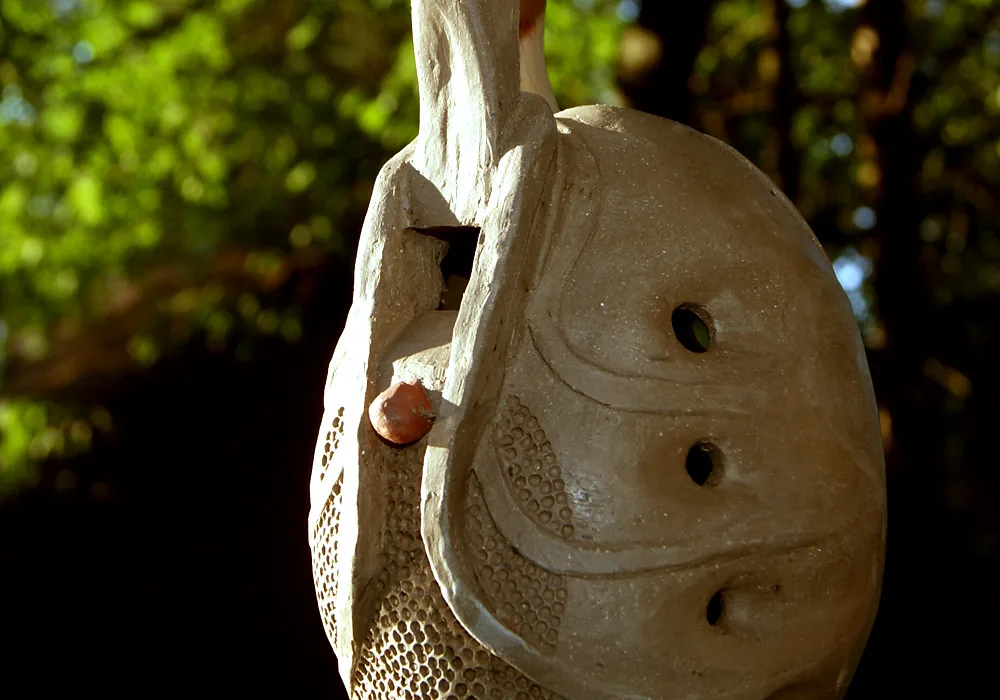
Welcome: this guide explains how to read visual diagrams so you can quickly play melodies on this small wind instrument.
The diagrams show which holes to cover: black shapes indicate covered holes, and white shapes indicate open holes. Read them from top to bottom, then from left to right.
Symbols indicate note duration (dashes) and repetitions (multipliers). Horizontal braces show notes played in a single breath. Most resources in France focus on this model, making it easier to find music for it.
Goal: to help you quickly identify finger positions, understand how they relate to sheet music, and put what you read into practice.
What you will find below: how to choose a model, read the diagrams, control your breath, use three notation systems, and build a practice routine for learning this instrument.
Why learn to read ocarina tablature today?
Knowing how to read sheet music opens up centuries of music. It expands the range of pieces you can learn, from traditional tunes to contemporary themes.
Notation creates a shared language. It makes it easier to collaborate with other musicians, work on online projects, and share ocarina arrangements.
Independence: learning on your own lets you choose a piece, work out how to play it, and practise it independently. Work on your timing with a metronome to make faster progress using clear reference points.
- A wider repertoire, without relying on a limited selection of arrangements.
- Better hand-eye coordination and working memory.
- The ability to progress by combining sheet music and visual diagrams.
Beginners do not need extensive knowledge of music theory: visual systems provide a starting point. Cognitive benefits such as concentration and coordination can also be felt outside musical practice.
| Advantage | Benefit | Application |
|---|---|---|
| Repertoire | Access to a wide selection | Classical and popular music |
| Collaboration | Shared language | Online projects |
| Independence | Independent practice | Metronome and reference points |
| Well-being | Concentration | Progress over the years |
Choosing the right ocarina to make learning easier
Choosing the right instrument makes a difference: comfort, tuning, and access to music all depend on it.
Number of holes and handling
Number of holes and handling: why choose a twelve-hole model?
There are models with 4, 6, or 12 holes. Models with fewer holes are simple for beginners, but their range is limited.
A twelve-hole model covers more octaves without requiring you to change instruments. That makes it easier to use common songbooks and learning methods.
Key and its effect on fingering
Instrument key: C, F, or G, and its effect on fingering
The key affects the notes produced: the same fingering can produce a different note depending on the instrument’s key. To save time, choose a model in C.
The quality of the windway and mouthpiece affects response and stability. Avoid poorly tuned copies sold on some platforms.
“A well-tuned instrument makes learning faster and more rewarding.”
- Practical advantage: more arrangements are available.
- Ergonomics: good balance and a comfortable grip help you play without tension.
- Recommended brands: STL Ocarina, Songbird, and Night by Noble.
| Criterion | Why it matters | Recommendation |
|---|---|---|
| Range | Lets you play more pieces | Twelve-hole model in C |
| Ergonomics | Comfort and precision | Hold it before buying, if possible |
| Tuning quality | Accurate pitch and motivation | Choose established brands |
12-Hole Ocarina Tablature: Notes from C to High C
Start by finding the reading path: it shows the order of the diagrams, from top to bottom and then from left to right.
Reading a diagram: covered holes, open holes, and orientation
Identify each symbol: black shapes indicate covered holes, and white shapes indicate open holes. The two small holes beside the mouthpiece represent the rear holes; hold the instrument steady to prevent air leaks.
Breath control and slurs
Maintaining a steady stream of air helps you play clean slurs. Horizontal braces indicate that you should play the notes in a single breath. Plan your breaths around bars and spaces to preserve the musical phrasing.
Beats, dashes, and multipliers
One dash after a diagram doubles the note’s duration (2 beats); two dashes make it four times as long. Multipliers repeat either the sequence in parentheses or the last note. Use a metronome to establish a steady beat.

Practical tip: practise slowly at first, then increase the tempo. The twelve-hole version covers more registers and makes it easier to play continuous phrases without changing instruments.
Three ways to play your melodies: simple tablature, standard notation, and hybrid versions
Each method strikes a different balance between ease of use and rhythmic precision. Your choice depends on how much time you have, your interest in music notation, and your instrument’s range.
Simple tablature: visual diagrams, repetitions, and breaths
Ideal for beginners, these charts use symbols, dashes, parentheses, and braces. They show repetitions with multipliers and indicate places to breathe between the bars.
Colour sometimes helps you spot phrases quickly. This system makes learning easier without requiring extensive musical knowledge.
Adapted standard notation: note values, rests, and repeat signs
Standard notation provides precise information: whole notes (4 beats), half notes (2), quarter notes (1), eighth notes (1/2), rests, and beams. Dots, triplets, and repeat signs structure the passages you need to repeat.
Advantage: rhythmic precision and compatibility with other musicians.
Hybrid versions: matching written notes, pitch, and fingering diagrams
Hybrid versions add a small fingering diagram above each written note. This connects standard notation to finger movements and speeds up memorisation.
Make sure the score and your ocarina use compatible keys. Otherwise, the fingerings may be wrong.
| System | Strengths | Who it suits |
|---|---|---|
| Simple visual tablature | Quick to use, clear repetitions | Beginners, independent learners |
| Standard notation | Rhythmic precision, widely understood notation | Musicians seeking precision |
| Hybrid versions | Clearer links between fingerings and notes | Intermediate musicians making the transition |
| Colours and symbols | Immediate understanding | Brand resources and learning methods |
Suggested progression: start with simple tablature, move to hybrid versions to memorise the connections, then work on standard notation to expand your repertoire.
Adapting a score to your instrument: checking the key and range
To adapt a score, first check whether your instrument’s range covers the notes required.
The register (soprano, alto/tenor, or bass) determines which notes you can play. Instruments in the same key use consistent fingerings, but the result sounds higher on a soprano and lower on a bass.

Soprano, alto, bass: transpose or change octaves
Simple solution: move a passage up or down an octave if a note falls outside the playable range. Mark the affected passages in pencil so you do not hesitate while reading.
Choosing the right register can save you from rewriting the score. An instrument in C matches the hole diagrams shown in most scores.
- Practise difficult fingerings separately, then put the notes back into the phrase.
- Choose a soprano for high notes, an alto for balance, or a bass for a fuller sound.
- Pick two or three target notes as reference points to make adaptation faster.
“Always check that the score’s key matches the instrument’s key so the fingerings make sense.”
Tip: if you change instruments, keep the original score when possible. Adapted standard notation remains useful, but matching the keys of the score and instrument comes first.
Reliable resources for beginners in France
When starting out, favour platforms that sort pieces by difficulty. This helps you avoid wasting time on inaccurate transcriptions.
Useful sites and tools:
- STL Ocarina — hundreds of scores sorted by level.
- Part’Ocarina — an online editor for generating custom tablature from a melody.
- Forums such as OCTalk and communities such as FolkFriends for feedback and corrections.
- Search tip: use filetype:pdf ocarina in Google to find printable collections.
Books and methods:
Choose a progressive method, such as Ocarina Method Book 1. It offers exercises and backing tracks to help you make quick progress.
Practical advice:
- Choose a well-tuned instrument from an established brand to avoid frustration.
- Consider a beginner’s kit (instrument, case, and metronome) to structure your first few weeks.
- Use a variety of resources: simple tablature, standard notation, and hybrid versions to develop your reading skills.

First pieces and a practice routine
Starting with a familiar theme makes it easier to establish an effective routine. For your first example, try a hybrid version of Zelda’s Lullaby: a small fingering diagram accompanies each written note of the melody. This helps you connect what you read with what your fingers do.

Guided example: practising “Zelda’s Lullaby”
Identify each diagram, isolate difficult transitions, then put the complete phrase back together. Set a slow metronome tempo so you can follow the beat and give each note its full duration.
Metronome, breathing, and coordination
Plan breaths at natural points to keep the melody flowing. Check the fingerings slowly: place and lift your fingers together, then settle into a steady grip.
- Short routine: 5 minutes of breath work and sustained notes, 5 minutes of slow fingering practice, and 5 minutes of sight-reading.
- Record yourself to assess pitch, phrasing, and transitions.
- Alternate a short piece you enjoy with a focused exercise to stay motivated.
Practical advice: a model in C makes it easier to use arrangements available online and reduces the need to transpose.
Common mistakes and practical solutions
Many inaccuracies come from a mismatch between the score and the instrument’s actual key. This leads to incorrect fingerings from the first bar and creates confusion.
Simple checks:
- Check the key indicated on the score or tablature before you begin.
- Choose a well-tuned instrument from an established brand to avoid pitch problems.
- Mark rests and breathing points in pencil if the edition is unclear.
Symbols and duration: confusing dashes, bars, and multipliers leads to timing errors. Reread the key to the symbols and mark extended notes on your copy.
Practise troublesome passages slowly and check how many holes are covered in each diagram. Adjust your finger positions to reduce air leaks.
Useful tools:
- Use a metronome to establish the beat and catch unintentional speeding up.
- Compare your playing with a reference recording to spot errors in note length or pitch.
| Problem | Cause | Solution |
|---|---|---|
| Wrong key | Score and instrument do not match | Check the key (C, F, or G) before playing |
| Out-of-tune copies | Poorly tuned instrument | Buy an instrument from an established brand or have it tuned |
| Missed rests | Symbols have not been annotated | Mark breaths and pauses in pencil |
Conclusion
To make quick progress, combine a good instrument, a metronome, and a progressive method. Choosing a trusted model makes it easier to use most available scores and helps you avoid poorly tuned copies that can hinder beginners.
Adopt a short daily routine: breath work, fingerings, then reading. Use reliable resources (STL Ocarina, Part’Ocarina, and learning methods) and start with a hybrid version to connect finger movements with notation.
Result: with realistic goals, you can play familiar melodies on the ocarina, stay motivated, and see progress over the years. Choose an accessible first piece and follow this guide step by step this week.