
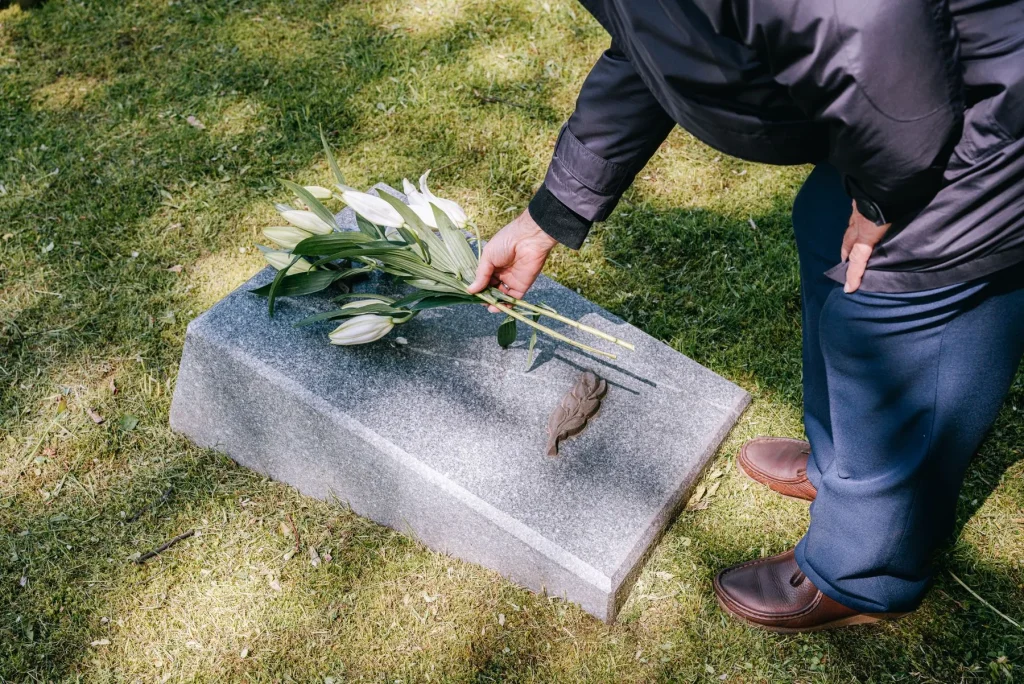
The grave of Georges Brassens in Le Py cemetery in Sète is a place of quiet reflection for many people. Born in Sète on 22 October 1921, the celebrated French singer and poet chose to be buried there. He died on 29 October 1981, having spent much of his childhood in the town.
His grave, in the fourth row of the ninth section, is often adorned with flowers left by admirers. The epitaph, taken from “Stances à Marquise”, reflects the impact of his lyrics on French culture.
In 2021, celebrations in Sète marked the centenary of his birth. They honoured his legacy as a poet.
To learn more about the influence of Georges Brassens, follow this link.
Introduction to Le Py cemetery in Sète
Le Py cemetery opened in 1877. Overlooking the Thau Lagoon, it is a peaceful place for quiet reflection.
It was originally intended for people who could not afford a burial. It later became a place of remembrance where many notable people, including Georges Brassens, are buried.
The cemetery has approximately 12,900 burial plots and a rich history. Visitors can pay their respects to Brassens and other cultural figures from Sète.
Cultural events, such as an exhibition by Gianni Pettena, take place there. French chanson festivals showcase Sète’s artistic life. As a place of quiet reflection, Le Py cemetery lends these events a particular significance.
Georges Brassens’ wishes for his burial
Georges Brassens wanted to be buried in Sète, his birthplace. The town held symbolic meaning for him. He was buried in Le Py cemetery.
He had often spoken of his wish to be buried near the sea. That wish reflects his deep connection to the sea and his childhood, as well as his love of music.
Brassens’ burial on 31 October 1981 moved his admirers and marked the end of his artistic journey. It also bound his legacy to the town of Sète.
Every year, thousands of admirers visit Le Py cemetery to pay tribute to Brassens. Their presence shows the lasting impact of his work.
Burial choices like Brassens’ raise questions about the changing nature of rites and practices in our society. They highlight the importance of personal wishes and of respecting the deceased’s final wishes.
Georges Brassens’ grave in Sète: a place for quiet reflection
The grave of Georges Brassens is in section 9 of Le Py cemetery in Sète. This peaceful spot is surrounded by cypress trees and a stone pine planted by his friends. It is a place for quiet reflection for many admirers. The beauty of the natural setting deepens the emotions felt by visitors who come to pay tribute to him.
Why the location matters
Opened in 1877, Le Py cemetery was initially intended for Sète’s poorer residents. Set in a natural park, it offers beautiful views over the Thau Lagoon. Between 150 and 190 visitors go there each day, reflecting its appeal. The presence of Brassens and Paul Valéry also contributes to its fame.
Visitors and the tributes they leave
Every year, between fifty thousand and eighty thousand admirers visit the grave of Georges Brassens. The devotion of visitors remains strong, forty years after his death. Their tributes take many forms: bouquets, pebbles, pine cones and affectionate notes. These gestures show the deep attachment admirers feel to the artist.
Le Py cemetery: a place rich in history
Located in Sète, Le Py cemetery is rich in history. Opened in 1877, it originally received the town’s poorer residents. Today, it contains the graves of notable people from Sète.
The cemetery’s history and development
Le Py cemetery has changed since it opened. Also known as the “cemetery of the poor”, it contains graves that each tell a unique story.
They reflect Sète’s cultural diversity. A visit to the cemetery offers a way to discover the town’s history.
Remembering those buried here
Georges Brassens is among the best-known people buried there, alongside other artists, writers and politicians. Their presence makes the cemetery an important place of remembrance.
Visitors come to honour these figures and help keep Sète’s memory alive.
| People buried here | Contribution to Sète | Year of death |
|---|---|---|
| Georges Brassens | Singer, poet | 1981 |
| Paul Valéry | Fisherman, writer | 1945 |
| Jules Méline | Politician | 1925 |
To learn more about Le Py cemetery, read this article about Sète’s heritage.
Celebrating the life of Georges Brassens
Sète celebrates the life of Georges Brassens with enthusiasm. Each year, events pay tribute to his legacy. Concerts, exhibitions and guided tours highlight the life of Georges Brassens, his poetry and his music.
These activities attract many admirers eager to explore the artist’s world and the breadth of his creative work.
The anniversaries of his birth and death are particularly significant. Special events bring together fans of French chanson, who share their admiration for a man whose spirit remains present in Sète.
These celebrations help keep his memory alive and carry his music beyond his own era.
Concerts held for the occasion fill the town with his timeless melodies. These tributes celebrate an artist who left his mark on French culture.
The celebration of the life of Georges Brassens in Sète is therefore an essential occasion for anyone who appreciates his legacy.
Conclusion
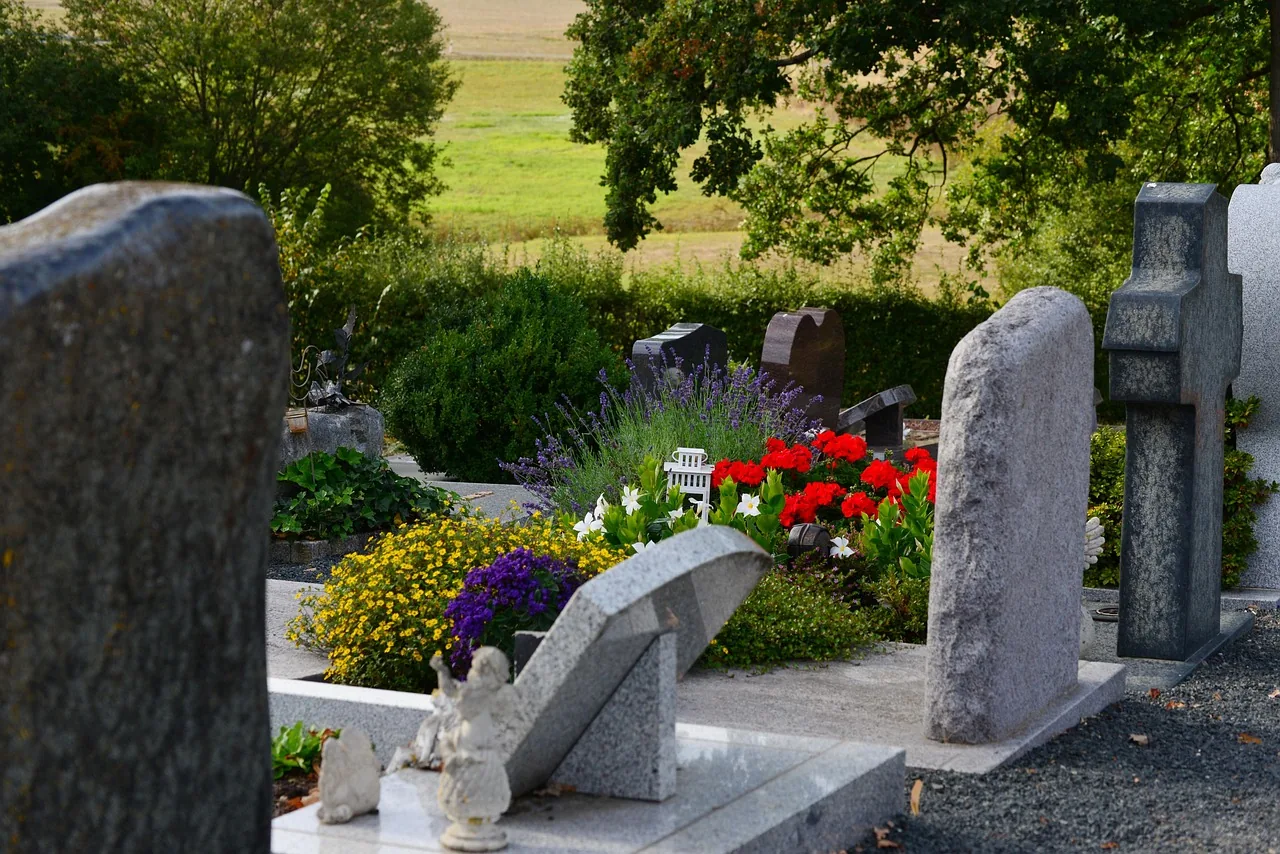
Georges Brassens’ grave in Sète is more than a place for quiet reflection: it symbolises his legacy in French culture. Le Py cemetery, with its rich history, attracts thousands of visitors each year who come seeking peace and inspiration. Their presence shows the artist’s impact on French music and poetry.
Brassens’ admirers want to preserve his memory and honour his legacy. This shows the importance of places like Le Py cemetery, where history and culture meet and people can remember those who came before them.
Discussions about funeral practices and legislation in France are essential. They help improve the experience of residents and visitors in these places. To learn more about these reforms, consult this detailed report.