
Setting the scene: the material affects tone, projection, handling and care. This guide compares the main types to help you make a choice that suits the way you play.
You can hear the difference between clay and wood from the first notes. Ceramic, with roots in pre-Columbian civilizations, offers good projection and stable tuning.
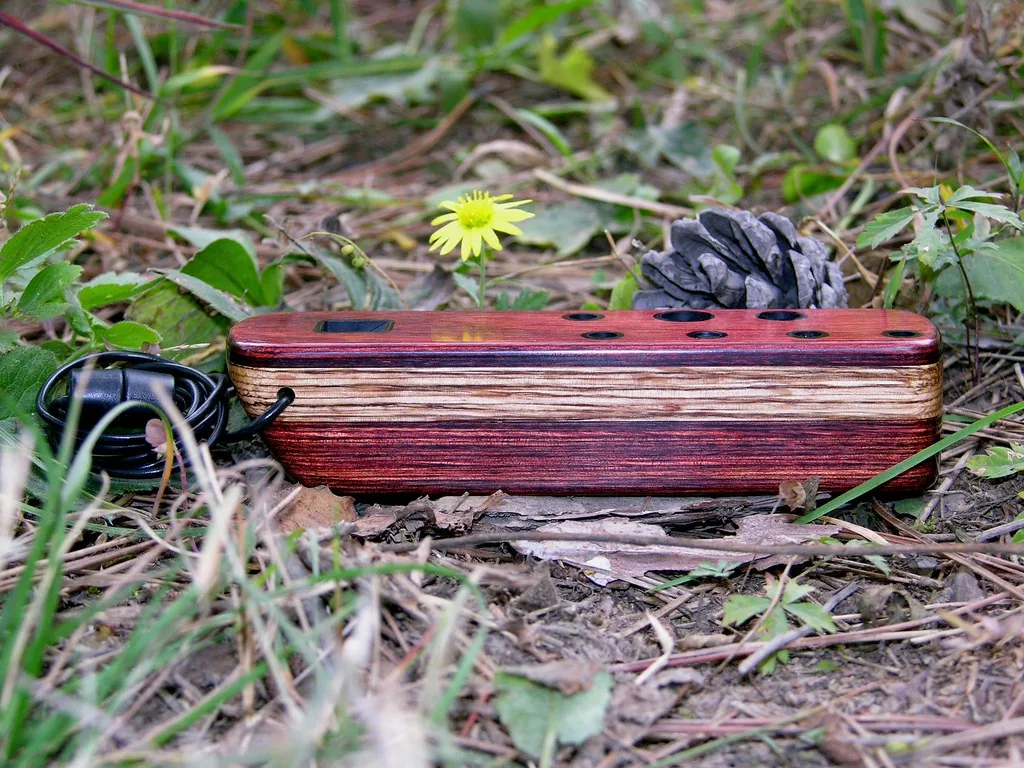
Wooden models, such as those made by Hind, appeal to players with their warm sound and gentler breath response. However, instruments bought through marketplaces may be poorly tuned.
For beginners, a 12-hole ocarina in C remains a good compromise. Consider the time needed to learn, ergonomics, range, tuning and after-sales service.
Conclusion: build quality and brand matter as much as material. This guide covers each consideration, from a first instrument to multichamber models, to help you make an informed purchase.
2025 buying guide for France: how to choose a material
Start by defining how you will play: in a studio, on the street or while learning. Consider your intended use, location and repertoire before comparing materials.
Your budget and needs should account for the price of the instrument, a case, a tuner and any delivery or return costs.
Choose specialist sites and established workshops to reduce the risk of buying a poorly tuned instrument. STL Ocarina, Ocarina World and Musique de Terre are useful points of reference.
Check the two-year warranty and 14-day right of withdrawal that apply in the EU. If ordering from the United States, allow for extra costs, delivery times and customs duties; choose European sellers such as Focalink/Stein when possible.
- Match the instrument to your current level and your goals so you do not buy more than you need.
- Make a list of brands and models recommended by musicians.
- Plan for maintenance: monitor humidity for wood and clean ceramic instruments.
Tip: try the instrument in a workshop if you can, or contact customer service before deciding.
Ceramic or wood: what really changes in sound and projection
The material directly affects the character of the sound and how well the notes carry.
Timbre, resonance and sustain: ceramic offers rich resonance and greater projection. In the studio, this helps capture long, steady notes, with sustain that makes mixing easier.
The density of the clay body and the glaze affect the frequency response.
- Greater density = more clarity and better intonation.
- A thin glaze = fewer unwanted harmonics and a more even register.
Warmth and organic nuance: wood offers a warmer range of tones.
Depending on the species (maple, rosewood or ebony), lower notes may gain depth or higher notes may soften. The attack is more velvety, which suits expressive passages.
“Ceramic gives the attack an edge; wood gives it a caress.”
Room acoustics amplify these qualities: ceramic excels in a controlled recording booth, while wood gains presence in a reverberant room.
Practical tip: listen to comparative recordings from established brands (Focalink, STL and Hind) and, if possible, own both types of instruments to cover a wider range of uses and sounds.
Ergonomics, weight and handling for everyday playing
A comfortable grip reduces fatigue and improves breath control. Weight, balance and hole spacing directly affect finger comfort.
12-hole models remain an excellent ergonomic compromise: their spacing can suit both small and large hands and allows the thumb to rest naturally.
Weight and fatigue: long sessions, outdoor playing and concerts
Outdoors, plastic versions (such as Night by Noble) are light and resistant to drops. They suit mobile players and performances on the move.
Ceramic pieces offer stability that supports intonation and precise breath control, but they are vulnerable to impacts. Wooden instruments often combine low weight with a comfortable feel.
- Try several shapes, such as the transverse “sweet potato” ocarina or a pendant, to find one that rests naturally in your hands.
- Use a neck strap or an easy-to-access case on stage to make carrying the instrument easier.
- Adjust your finger position to reduce tension and keep playing smoothly over the long term.
Explore 12-hole ocarina models to compare shapes and weights before buying.
Durability and care: what ceramic and wood require
Protecting your instrument takes a few simple steps suited to its material. Proper cleaning and storage help prevent impacts, cracks and changes in tuning.

Ceramic: precautions and cleaning
Wipe the instrument with a soft, dry cloth after each session. Avoid hot water and rapid temperature changes.
Glazing improves the seal and stabilizes the air column. It helps maintain sound quality and consistency over several years.
Wood: humidity and oils
Keep humidity between 45 and 55% to help prevent cracks. Keep the instrument away from sunlight and radiators.
Apply a light maintenance oil every few months, depending on use. Careful finishing and sound craftsmanship increase durability.
A simple schedule: wipe after every session, check monthly and oil seasonally.
| Aspect | Ceramic | Wood |
|---|---|---|
| Cleaning | Dry cloth; avoid hot water | Dry cloth and periodic oiling |
| Risks | Thermal shock, drops | Cracks, drying out |
| Storage | Padded case, stable temperature | Case and hygrometer, 45–55% humidity |
Range, holes and tuning: match the instrument to your repertoire
The register you choose changes the range of notes and the character of your repertoire.
Soprano, alto, tenor, bass: which register suits your breath?
Sopranos have a lively, piercing high register. They require light, precise breath control.
Altos are well balanced: they remain comfortable during long sessions and offer good versatility.
Tenors and basses produce richer low notes. They require stronger breath support and bring a warm character to the repertoire.
C, F or G tuning and 12 holes: the basics for a first instrument
12 holes: this versatile model covers up to 21 notes and gives you access to many methods and tablatures. It suits beginners who want a broad range without added complexity.
C tuning remains the standard for learning: it offers standard fingerings and works with many scores. F and G tunings shift the pitch and change some fingerings; they can be useful for particular styles.
Choosing a register that suits the tuning and your breath helps you avoid obstacles while learning.
| Criterion | Advantage | Recommended use |
|---|---|---|
| Register | Determines tone and range | Soprano for high melodies, bass for accompaniment |
| Holes (12) | Up to 21 notes, many learning methods | Beginners and versatile players |
| Tuning | C = standard; F/G = transposed pitch | C for learning; F/G according to repertoire |
Wooden or ceramic ocarina: which should you choose? Playing scenarios
The same piece can sound very different in a recording booth and outdoors.
Studio and recordings
For studio work, ceramic provides clarity and projection that make mixing easier.
It keeps melodic layers clear and steady. Vocal and instrumental recordings benefit from its precise attack.
Street, outdoor and mobile performances
Outdoors, wood appeals for its warmth and response to changing weather.
It offers a gentler breath response, useful for organic textures and sessions on the move.
Styles: traditional, Baroque and video games
Older repertoire often benefits from a warm tone. Video game soundtracks call for strong clarity.
If you alternate between studio, stage and video content, owning two complementary instruments remains a sound choice.
Play the same passage on both instruments to hear the real difference in timbre and articulation.
| Use | Advantage | Advice |
|---|---|---|
| Studio | Clear projection | Choose ceramic |
| Outdoors | Warmth, responsiveness | Choose wood |
| Varied settings | Flexibility | Bring two ocarinas |
Beginners, intermediate and advanced players: recommendations by level
To progress without getting discouraged, choose an instrument that suits your stage of learning. A good instrument makes fingering and accurate playing easier.
Beginners: aim for a 12-hole model in C. Look for learning kits with sheet music, a case and tutorials. Options from STL Ocarina often offer stable tuning and make learning easier.
Intermediate players: add a complementary register (alto or tenor) to broaden your repertoire. Focus on steady breath control and precise fingering.
Advanced players: explore multichamber instruments and choose a material that suits your sessions (studio or stage). Move to professional equipment when your artistic needs call for it.
- Practical tip: set up a progressive practice plan: breath exercises, fingering, reading music and short pieces.
- Adjust your budget: a quality first ocarina is better than a questionable bargain.
- Plan for regular care suited to the material from the day you buy it.
| Player | Priority | Recommendation |
|---|---|---|
| Beginners | Intonation, ease of use | 12 holes in C, learning kit (STL Ocarina) |
| Intermediate players | Versatility | Add an alto or tenor; work specifically on breath control |
| Advanced players | Tone and musical goals | Multichamber instruments, material suited to the setting |
Recommended brands and makers
Some brands earn their reputation through a combination of accurate tuning, good finishes and customer support. Here is an overview of the makers most often mentioned by players and teachers in France.
STL Ocarina
STL Ocarina offers a broad range for learners as well as advanced models. Its learning resources and customer service support progress.
Focalink / Stein
Focalink/Stein is known for the consistency of its ceramic pieces. Its instruments offer stable tuning and an even response across their range.
Musique de Terre & Dinda
Musique de Terre (a French workshop) focuses on craftsmanship, customization and direct support. Dinda appeals through its strong value for money and a sound appreciated by the community.
Hind and Spencer
Hind stands out for wooden models valued for their warmth and feel. Spencer attracts players with careful finishes and a selective range; check intonation across the full register, however.
Tip: check sellers’ reputations and read user reviews. Compare finishes, tuning stability and ergonomics before buying.

Where to buy a reliable ocarina in France and online
Buying an ocarina calls for attention to transparency and support. Do not rely on price alone: examine the warranty, return terms and the seller’s traceability.
Specialist shops or marketplaces: warranties, returns and counterfeits
Specialist sites such as Ocarina World or STL Ocarina test their instruments and provide accessories and advice. They often publish clear return policies and offer after-sales service.
Marketplaces offer attractive prices, but the risk of counterfeits and faulty tuning is higher. Check reviews and refund options before buying online.
Workshops and artisans: traceability, lead times, delivery and trials
Workshops (such as Musique de Terre) offer traceability and trials by appointment. Lead times may be longer, but support is personalized.
Always check delivery terms, shipping insurance and any charges outside the EU. Choose authorized sellers listed by the brand.
- Choose established sites for authentic products and useful advice.
- Avoid offers without detailed photos or warranties.
- Check the seller’s reputation on forums and in reviews.
| Sales channel | Advantage | Check |
|---|---|---|
| Specialist shop | Testing, after-sales service | Warranty, returns |
| Workshop | Traceability, trials | Lead times, price |
| Marketplace | Price | Authenticity, descriptions |
Budget and value for money: how much to spend for your goals
A considered budget helps you tell a good deal from a false economy. Set an amount for your intended setting: learning, stage or recording. This will guide the level of finish and durability you need.

For 1 to 3 years of recreational playing, entry-level ceramic models or plastic versions offer a good balance of price and durability. They keep initial costs and risks down.
If you plan to play on stage or in a studio, increase your budget for better quality: accurate tuning, projection and finishes will serve you longer.
- Compare entry-level, mid-range and premium instruments according to your needs.
- Include additional costs: a case, a tuner and maintenance over several years.
- Consider plastic ocarinas for portability and durability at a low cost.
Rule of thumb: paying a little more for a reliable instrument can save time and repair costs. For an overview of choices by material and playing needs, see this guide to materials and playing needs.
| Use | Indicative budget | Priority |
|---|---|---|
| Beginner, recreational | €30–€80 | Reliability, price |
| Intermediate | €80–€200 | Sound quality |
| Professional, studio | €200 and up | Intonation, finish |
Buying mistakes to avoid and essential checks
A poor purchase can slow your progress for months: learn to spot warning signs. Check each listing to save time before buying.
Cheap models, false promotions and vague descriptions
Be wary of permanent discounts and imprecise descriptions. These often accompany poorly finished or poorly tuned products.
Look for detailed photos, clear specifications and specific customer reviews.
Checking intonation, traceability and rights in the EU
Check tuning with a tuner: start with A at 440 Hz, then play through the full range to identify discrepancies.
Ask for a serial number and certificate of origin when available. These help protect your purchase and establish traceability.
- Check the reputation of brands and sites on forums and in detailed reviews.
- Choose sellers with reachable after-sales support and a clear return policy.
- Use a trial or the return period to test comfort, intonation and response while playing.
- In the European Union, keep your proof of purchase and packaging: you have a 14-day right of withdrawal and a two-year legal guarantee.
- If you are a beginner, seek advice before buying so you do not end up with an instrument that hinders learning.
| Risk | Check | Action |
|---|---|---|
| Unstable tuning | A at 440 Hz and note-by-note check | Ask for a return or exchange |
| Suspicious offer | Unclear photos and description | Avoid the purchase |
| Lack of traceability | No serial number | Choose an established brand |
“A reliable instrument starts with an honest listing and clear guarantees.”
Useful accessories to protect the instrument and make progress
The right accessories protect the instrument and support steady progress. They help prevent impacts, stabilize humidity and make practice less stressful.
Cases, hygrometers, tuners and learning materials
- Hard or padded case: protects against impacts and changes in climate. Essential for transport.
- Hygrometer: monitors humidity for sensitive models and helps prevent cracks.
- Digital tuner: checks notes and helps you adjust your breath from the first few weeks.
- Printed methods and tablature apps to learn the holes and fingerings step by step.
- Stage stand or neck strap to secure the instrument between pieces and protect it from the wind outdoors.
- Microfiber cloths and care products suited to the material.
- A practice journal helps you plan sessions, record tempos and track progress over several months.

Practical tip: organize a weekly practice routine with simple goals. This speeds up learning and helps prevent maintenance mistakes.
Quick comparison of materials and key criteria
This table brings together tone, setting and budget to help you decide quickly.
Ceramic: clarity and projection. Ideal for studio recording and mixing, with highly stable tuning.
Wood: warmth and nuance. Suits concerts and acoustic sessions that call for expressiveness.
Plastic: strong and lightweight. Ideal for frequent travel and beginners who want to reduce risks.
Key criteria: intonation, hole ergonomics, sound stability at different breath pressures and finish. Test the response in the setting where you will play.
“Your ears and the feel in your hands will tell you which compromise works best.”
| Material | Typical use | Advantage |
|---|---|---|
| Ceramic | Studio, recording | Projection, intonation |
| Wood | Stage, acoustic music | Warmth, nuance |
| Plastic | Street, transport | Durability, price |
| Tip | Choose range and model to suit your budget | Focalink/Stein, STL Ocarina, Musique de Terre |
Tip: try several models before making your choice, especially for recording projects. Consider a ceramic ocarina for demanding recordings.
Conclusion
In summary, remember the essentials for a good start: a 12-hole ocarina in C remains the best starting point. Buy from a reliable seller, such as STL Ocarina or Musique de Terre, for careful craftsmanship, support and dependable delivery.
Prioritize accurate tuning (A at 440 Hz), test notes across the entire register and check how the holes feel before buying. In the studio, a ceramic ocarina offers projection and stability; on stage, a wooden or plastic model offers warmth or durability.
Simple care that takes a few minutes each month preserves the instrument’s quality for years. Finally, compare models, finishes and makers’ reputations: your choice should reflect how you play, your budget and the musical experience you want.