
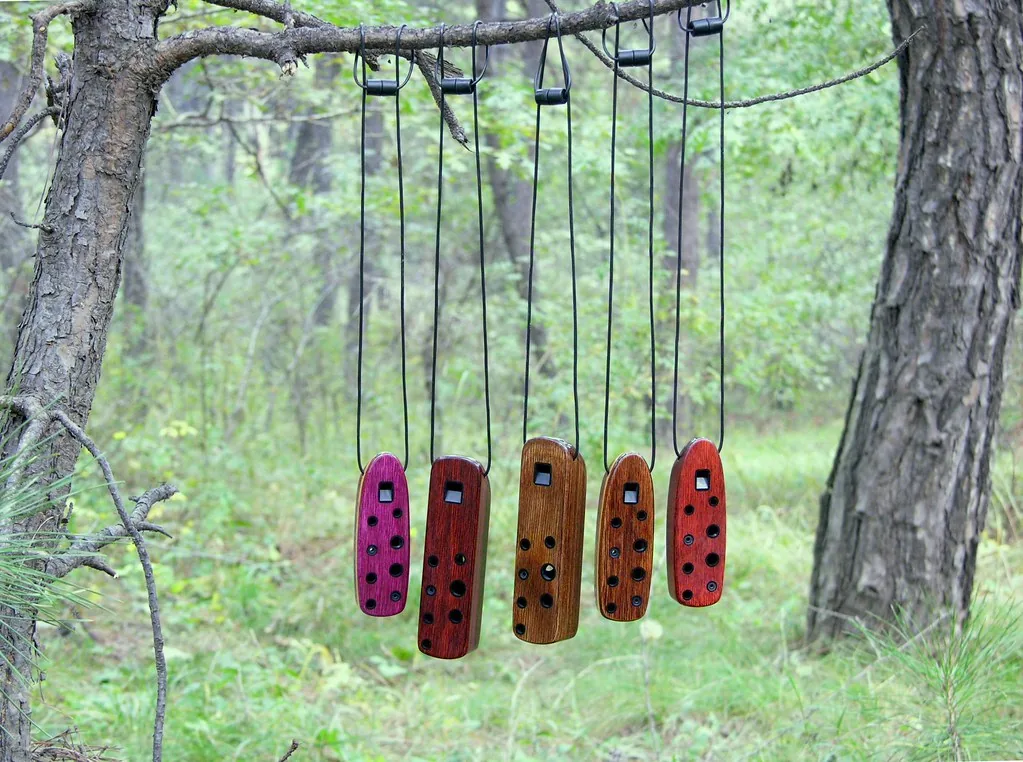
Discover a clear, structured selection of video resources for beginners and advanced players. This introduction explains how to choose a YouTube channel for your skill level and instrument model.
We cover simple quality criteria: clear teaching, clean audio, slow-motion demonstrations, exercises, and access to sheet music and tablature through a link to the creator’s website.
You will learn to play through practical advice on daily practice: hand placement, breath control, and fingerings for instruments with different numbers of holes.
The recommendations account for the most common ocarinas and models, helping you avoid range differences that could slow your progress. For ocarina enthusiasts, we also highlight channels that share sheet music and tablature.
Goal: help you make the right choice from day one and progress quickly without spreading your efforts too thin.
Why YouTube Is Ideal for Improving Your Ocarina Playing Today
Video is the most immediate way to correct a fingering and hear a tone in context. It shows breath control, posture, and small hand movements in real time. Seeing these details reduces technical mistakes and speeds up progress.
See Fingerings, Breath Control, and Techniques in Real Time
Tutorials offer close-up views of the hands and slow-motion demonstrations. They let you observe each movement and adjust your breath at the right moment.
Match Your Model: 4, 6, 8, 10, or 12 Holes
Choosing a video that specifies the model and key helps you avoid surprises caused by differences in range. Twelve-hole ocarinas in C, such as those made by STL Ocarina or Songbird, often offer more options for playing popular melodies.
Tablature, Sheet Music, and Converters: Make the Most of Free Resources
Many creators add tablature and sheet music to the description or link to a dedicated website. Conversion tools help adapt fingerings to the number of holes on your instrument.
“Guided videos with a metronome make it easier to manage timing and breaths.”
| Feature | 4 holes | 6 holes | 12 holes (C) |
|---|---|---|---|
| Range | Limited | Intermediate | Wide, suitable for beginners |
| Ease of tuning | Simple | Good | More stable (established brands) |
| Tablature availability | Less available | Widely available | Wide selection and converters |
Practical tip: start with videos that provide tablature and sheet music, use a metronome, and check your instrument’s tuning before investing further.
For an overview of six-hole models and buying advice, see the six-hole ocarina guide.
Best YouTube Channels for Learning the Ocarina
To progress quickly, choose sources that organize lessons by skill level and instrument model.

Brand channels and structured methods: brands such as STL Ocarina and Songbird publish series for twelve-hole models, progressive exercises, and sometimes applied music theory lessons. They often provide tablature and sheet music through a link to their websites.
French-Speaking Teachers
French-speaking teachers offer music theory lessons devoted to the ocarina. They explain how to read tablature and keep time, and provide clear exercises.
Encouraging Beginners and Firsthand Experiences
Some creators share compilations of their progress and ask for advice. One creator published a “beginner compilation” and requested feedback through links to her channel and video.
| Type | Benefit | What to check |
|---|---|---|
| Brands (STL, Songbird) | Methods for twelve-hole models, progressive playlists | Audio quality, tablature availability |
| French-speaking teachers | Applied music theory, timing exercises | Clear fingerings and subtitles |
| Beginners | Inspiration, practical feedback | Reliability of the models tested |
“Avoid poorly tuned copies: they undermine accurate playing from the very first notes.”
How to Choose and Use These Channels for Your Skill Level and Ocarina
Success depends on a clear plan: a suitable model, focused exercises, and steady progress.
Start with a twelve-hole ocarina in C: this model makes intonation easier and fingerings more logical. Begin with four to eight weeks of short exercises. Use a metronome to steady your timing, and develop breath control with sustained notes and crescendos.
Use tablature and converters: look for sites that publish tablature organized by skill level. Automatic converters adapt fingering diagrams to the number of holes and the model.
“A good tutorial combines rhythm exercises, clear tablature, and demonstrations of hand movements and breathing.”
| Goal | Recommended action | Result |
|---|---|---|
| Master fingerings | Daily exercises for 5 to 10 minutes | Reliable fingerings |
| Keep time | Use a metronome and count quietly | Steady tempo |
| Adapt tablature | Use a converter or published tablature | Playable sheet music |
To choose suitable sheet music and supplement your lessons, see the guided selection in which sheet music to choose.
Conclusion
To finish, here are practical tips for organizing your daily learning.
Remember the essentials: choose a reliable twelve-hole model (for example, STL Ocarina), practice for 15 minutes a day, and use a metronome to develop steady timing and accurate notes.
Choose videos that clearly explain tablature symbols and offer published tablature or downloadable sheet music. Check the audio quality and the accuracy of information about the model being used.
Write down what you need to improve (breathing, moving between holes, coordinating your hands) and address each point with short exercises. To explore further, see a selection of resources and themed playlists through this link: recommended resources and videos.
In summary: choose one or two reliable sources, download a few tablature sheets, learn the key symbols, and practice regularly. Consistency and a good choice of equipment will help you improve.