
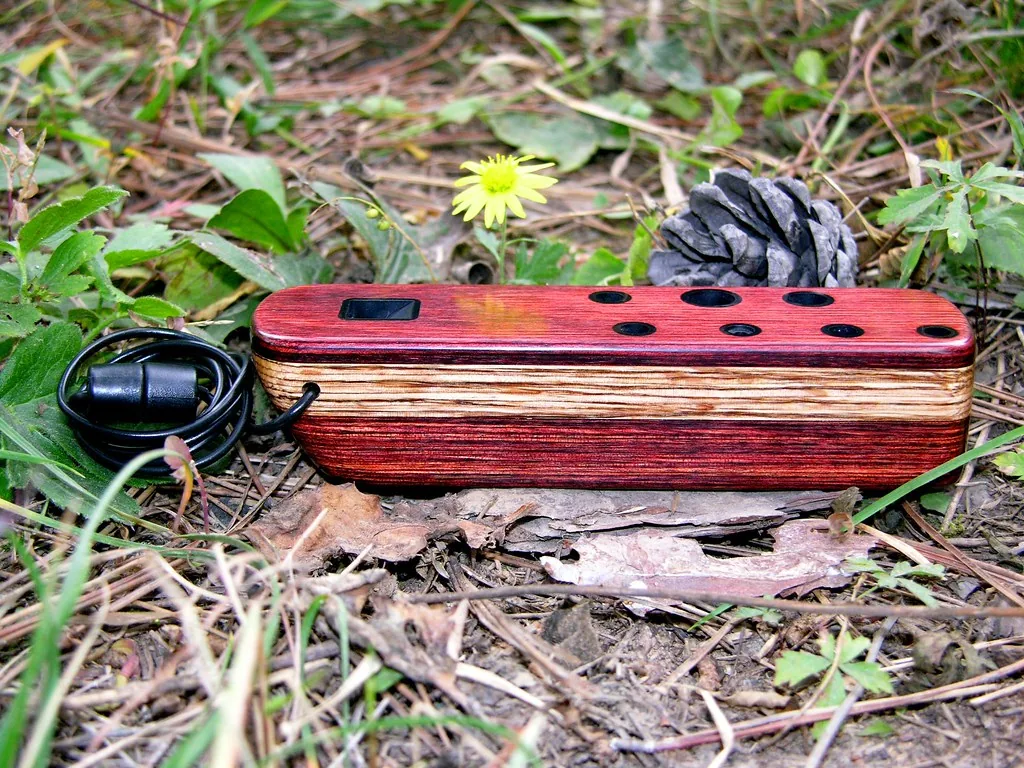
Guide objective: assess quality, reputation and value for money to help you buy an ocarina in France.
These manufacturers’ Taiwanese instruments are often cited among the best. They offer a wide range, consistent tuning and accessible prices, such as an alto in C for around €42 from specialist retailers.
Why choose this option? The models offer well-designed ergonomics and consistent tuning. They suit beginners and intermediate players alike.
This buying guide covers the key criteria: tuning accuracy, ergonomics, range, materials, availability and support. It also warns against cheap models sold on general marketplaces, which are often badly tuned and unusable.
Finally, we will compare brands (STL, Musique de Terre, Dinda, Spencer and others), offer fingering advice and share reliable buying tips for France. A short introduction to the terminology (AC/C3/Tenor in C) will help you choose the right instrument for playing popular pieces.
A quick introduction to the ocarina, a wind instrument gaining popularity in France
An accessible instrument, the ocarina is a vessel flute. It produces notes through the resonance of a chamber, unlike a conventional tubular flute.
Its roots reach back to the fired clay objects of Mesoamerican civilizations. In the nineteenth century, Giuseppe Donati modernized the transverse shape, which still influences the instrument’s ergonomics today.
There are three main families: transverse, inline and pendant ocarinas. The shape affects how the instrument is held and makes certain fingerings easier.
- Common configurations: 4, 6 and 12 holes. The 12-hole model covers around 21 notes and remains the best choice for learning a varied repertoire.
- Materials: ceramic for a rich tone, plastic for durability and everyday practice, and clay or wood for handcrafted instruments.
“An out-of-tune instrument holds back learning: choose models from reputable makers.”
| Type | Holes | Recommended use | Common material |
|---|---|---|---|
| Beginner | 12 | Learning and a varied repertoire (around 21 notes) | Plastic / ceramic |
| Portable | 4 to 6 | Recreation, pendants, simple melodies | Plastic / clay |
| Intermediate / handcrafted | 12 or more | Rich sound, musical projects | Ceramic / wood |
Stein / Focalink at a glance: reputation, range and pricing
Reputation and market position: the Taiwanese maker is regularly praised for the tuning accuracy and stability of its instruments. Players note an even tone across the range and quality control evident in the assembly.
Build quality: precisely drilled finger holes, consistent mouthpieces and durable glazes. These features help explain the reliable intonation and response of both high and low notes.

Available range: soprano, alto/tenor AC (C3 in Europe), bass models, and double or triple chamber models. The alto in C (AC/C3) remains the recommended choice for beginners.
Price and availability: in France, retailers such as Ocarina World offer altos in C for around €42, excellent value for a well-tuned ceramic instrument.
Practical tip: check that notes sound even throughout the range and try the fingerings at both extremes. This helps prevent surprises with the highest and lowest notes.
Stein Ocarina: Is This Brand Any Good? Our buying guide verdict
This concise guide helps you decide whether buying an ocarina suits your needs and budget.
What we like: consistent tuning, comfortable ergonomics and good value for money. The models offer stable intonation and careful finishing, which help you make progress quickly.
What to watch for
Terminology varies: AC, Tenor in C and C3 can be confusing. Check for the label “Alto in C” before buying.
Who is it for?
Ideal for beginners and intermediate players who want a reliable instrument without spending a fortune. A 12-hole alto in C remains the best starting point.
“Choose a clearly identified AC/C3 and allow for possible restocking delays.”
| Criterion | Advantage | Recommendation |
|---|---|---|
| Intonation | Stable across the range | Test the highest and lowest notes |
| Ergonomics | Comfort during long sessions | Choose a 12-hole model for learning |
| Price & availability | Accessible prices (around €42 for an alto in C) | Plan for restocks |
A quick comparison with leading brands
Choosing an instrument means knowing the makers and what they offer. Here is a summary to guide your purchase according to budget, material and availability.

STL Ocarina
Strengths: a huge catalogue, educational sets and learning resources. Shipping from the United States takes 2 to 3 weeks; additional charges may apply.
Musique de Terre (Olivier Gosselink)
Strengths: French craftsmanship, triple C3 ocarinas with Pacchioni fingering, excellent tonal consistency and ergonomics.
Dinda & Spencer
Dinda offers very good value on Etsy (AC models around €35). Spencer focuses on premium finishes ($97 to $299 and up); its models can sometimes be demanding in the high register, but after-sales service is responsive.
Other makers
Songbird emphasizes original designs and shapes. Noble stands out for its plastic models (Night by Noble). Aketa (Japan) is known for its 12-hole ceramic ocarinas. Oberon and Ray offer American craftsmanship and innovations in triple models, respectively.
“Compare models according to your budget, materials (ceramic, clay or plastic), shape and comfort in the hand.”
| Maker | Strength | Common material | Availability / Price |
|---|---|---|---|
| STL Ocarina | Catalogue & educational sets | Ceramic / plastic | Shipping from the United States, possible extra charges, variable prices |
| Musique de Terre | Craftsmanship, triple C3 | Ceramic | France, artisan prices |
| Dinda | Value for money | Ceramic / clay | Etsy, sold in batches (around €35) |
| Spencer | Premium finishes | Ceramic | High prices, luxurious finishes |
| Others (Noble, Aketa, Ray) | Specialties & innovations | Plastic / ceramic | Varies by model |
Holes and fingerings: 4, 6 or 12 holes, double or triple models, and Pacchioni and Asian systems
The number of holes and the chamber design determine what you can play and how you play it.
Common configurations:
- 4 and 6 holes: simple options for children or short melodies.
- 12 holes: the standard format for beginners and most pieces; it covers around 21 notes and a complete scale.
- Double or triple models: these extend the range without requiring you to change instruments mid-piece.

Why choose a 12-hole model in C
The 12-hole model in C offers the best balance between effort and accessible repertoire. It lets you learn basic fingerings and tackle popular pieces, including video game themes.
Multiple chambers: Asian and Pacchioni systems
The Asian system provides continuity: the next chamber naturally takes over the following notes. The Pacchioni system overlaps the ends of the chambers to achieve an even tone.
Tip: start with a 12-hole model, and check that the holes seal properly and the high notes respond well before investing in a multichamber model.
For a first purchase in France, this remains the most economical and instructive choice. To learn more about choosing an ocarina, consult our complete guide.
Range and tuning: alto/tenor, soprano, bass, and choosing C, F or G
Choosing the right range affects both your enjoyment and the repertoire you can play. Ocarinas are generally divided into soprano, alto/tenor and bass, each with a different tone and technical demands.
Soprano: a high, bright sound. Ideal for light melodies and clear lines. Be aware, though, that the high notes require precise breath control and can sound shrill without sufficient skill.
Alto / tenor: balanced and versatile. This range is recommended for beginners. It makes fingerings easier to learn and suits most pieces. AC, C3 and “Tenor in C” often refer to the same thing: an alto in C.
Bass: a deep, enveloping sound. A bass carries well in an ensemble, but costs more and takes longer to master in terms of breath and embouchure.
For tuning, C remains the standard teaching choice. It simplifies reading sheet music and transposition. Instruments in G or F offer different tones and interesting possibilities once you have progressed.
Before buying, read the product description carefully: range and tuning labels can be confusing. Check the shape and ergonomics, as they affect breath control and note response.
Recommended progression: start with an alto in C, work on intonation and notes, then explore soprano or bass according to the style you want. A grounding in music theory makes transposing between tunings easier and speeds up learning.

Materials and sound: ceramic, plastic, clay/terracotta and wood
The choice of material can radically change an ocarina’s sound. It also affects handling, maintenance and the instrument’s lifespan.
Ceramic ocarina: ceramic offers warm resonance and a rich tone, ideal for expressive playing and fine nuances. However, it is fragile: a fall or thermal shock can cause cracks.
Plastic: ABS models, such as Night by Noble, are sturdy and practical. Their sound may seem more neutral, but their stability outdoors and in damp weather is a real advantage for playing on the move.
Clay and wood: these handcrafted instruments (from makers such as Spencer and Hind) have distinctive looks and projection. They need suitable care: wood is vulnerable to moisture, while clay is susceptible to knocks.
Practical points: glaze quality and shape directly affect ergonomics and note stability, especially in the high register. Avoid cheap decorative models that sacrifice sound quality for appearance.
“Choose the material according to how you will use the instrument: rehearsals, concerts or travel.”
- Care: ceramic = careful handling; plastic = washable; wood = protection from moisture.
- Choosing a maker: mass-produced models for reliability, handcrafted models for distinctive sound and appearance.
How to choose your Stein for your skill level, use and budget
The right choice starts with defining your goals: daily practice, performing or recreation. Consider your skill level, available budget and desired range before buying.
Beginner: 12-hole alto in C
For beginners, choose an alto in C (AC/C3) with 12 holes. This format offers a full scale for learning fingerings and playing a variety of pieces.
Tip: a Stein AC from Ocarina World costs around €42: a good balance of price and performance.
Intermediate / advanced: soprano, bass and multichamber models
Once you have mastered the basics, try a soprano or bass for a different tone. Two- or three-chamber models extend the range without requiring you to change instruments mid-piece.
- Comfort in the hand: choose a balanced model for quick passages.
- Playing conditions: decide where you will play (home, stage or outdoors) when choosing between ceramic and plastic.
- Testing: check the response of the highest and lowest notes and the consistency of the tuning before buying.
- Seller: choose reliable distributors to avoid counterfeits.
“Keep the 12-hole model as your foundation: it remains the best way to learn before exploring more specialized instruments.”
Where to buy in France and online: reliable sites and buying tips
Buying online means knowing which retailers are trustworthy so you can avoid unpleasant surprises.
Ocarina World remains the main recommendation for buying an ocarina in euros. The distributor offers a tested selection, customer service in France and clear delivery times.
Specialist shops offer real advantages: quality control, advice, simpler returns and warranties. Always compare their offers with the makers’ official sites to confirm that the instruments are authentic.
- Avoid general marketplaces: their photos can be appealing, but there is a risk of counterfeits and poorly tuned instruments.
- Check the seller’s reputation: verified reviews, “distributor” status and transparent stock information.
- Check delivery times, costs and the return policy before placing your order.
Choose the material according to your use: fragile ceramic (consider shipping insurance and a case), or plastic or terracotta for playing on the move.
“Always check the stated tuning (AC/C3/C) and range before buying online.”
For a complete guide to brands and comparisons, read our article on which ocarina brand is best.
Shipping, customs and returns: what to plan for before ordering
Ordering from abroad can push the final price well above the listed price. Before buying, check every cost to estimate your actual budget.
Ordering from the United States or Asia
Allow around 2 to 3 weeks for international delivery of an instrument. Above a threshold of around €150, VAT (around 20%) and customs charges may apply.
Some sellers offer free shipping above a certain order value (for example, during promotions around $100), but taxes may still be due on arrival.
Budget tip and practical step
Combining several ocarinas in one order reduces shipping costs per instrument and improves the overall price. Compare the listed price, shipping, taxes and return policy before paying.
- Allow for busy periods, such as the holidays, when delivery takes longer.
- Prefer buying in France or elsewhere in the EU to avoid customs charges and make returns easier.
- On arrival, check the tuning of the notes, look for cracks and make sure the finger holes seal properly.
- Photograph or film the opening of the parcel to speed up an exchange if needed.
“Reinforced packaging and an immediate inspection are your best safeguards against shipping problems.”
Resources for getting started: fingerings, pieces, tablature and practice
A good learning path begins with clear lessons and suitable tools. Here is a practical selection for beginners who want to progress quickly and play their first pieces within a few months.
YouTube channels and tutorials
STL Ocarina offers more than 300 tutorials and progressive lessons, ideal for practising scales and transitions.
OCTalk explains theory and fingerings. Gina Luciani focuses on breath technique. Tristan Laurens offers an advanced repertoire to help you progress.
Tablature and a progression plan
Part’Ocarina lets you create and read customized tablature. It is ideal for strengthening transitions and memorizing fingerings.
- Recommended routine: 15 to 20 minutes a day.
- Weeks 1 to 4: scales and breath control.
- Months 2 and 3: first pieces (Zelda themes and traditional tunes).
Practice, posture and equipment
Work on hand position and airflow: short warm-ups, precise coverage of the holes and metronome exercises.
Choosing a 12-hole ceramic model for home or a plastic one for outdoors helps you produce consistent notes in different environments.
“Record yourself regularly: audio and video reveal your progress in intonation and guide your adjustments.”
Join online sites and communities for feedback and motivation. Set weekly goals and review your progress each month.
Conclusion
To conclude, choose a 12-hole model in C to begin with: it is the best choice for learning fingerings and starting to play quickly.
A Stein alto in C bought from Ocarina World offers a reliable, affordable foundation. Compare STL, Musique de Terre, Dinda and Spencer according to your budget and availability. Materials affect the sound: ceramic brings warmth, plastic brings durability, and clay or wood brings a handcrafted character.
Choose reliable makers and distributors. Use resources such as STL Ocarina and OCTalk to gain experience quickly.
Over the next few years, consider building a small collection of ocarinas to expand your repertoire and musical practice. Test, compare and invest gradually for lasting, rewarding music making.