

Goal: this page offers a clear, up-to-date guide to buying an ocarina in France. You will find an overview of reliable websites, specialist shops and alternatives that can help you avoid unpleasant surprises.
Choose retailers that specialize in musical instruments. A properly tuned ocarina is no toy: tuning quality makes a difference when you play.
Suggested approach: first compare offers from specialist shops in France and Europe. Then look at a few reputable international websites. Use general marketplaces with caution.
We will cover the key criteria: budget, tuning quality, materials (ceramic or plastic), number of holes and range. Instruments du Monde and Ocarina World stand out for their advice and customer support.
A note on secondhand instruments: listings are scarce, and prices are often close to those of new models. Hygiene and tuning concerns make used ocarinas less appealing than well-tuned new ones.
The rest of this article will present beginner favourites, a closer look at shops in France and the EU, major international websites, well-regarded plastic models and a checklist for before you buy.
Why a buying guide now? Understanding the ocarina and the French market
As the ocarina grows in popularity, it is time to explain how to choose one. Pop culture has renewed interest, but few shops actually display these instruments. This guide gives you clear pointers to help avoid common mistakes.
An essential reminder: the ocarina is a full-fledged musical instrument and wind instrument. Reliable tuning, suitable ergonomics and a sound internal chamber are essential for playing in tune.
Quality often comes from recognised specialists. Many marketplace listings show attractive models that are poorly tuned. Avoid surprises by choosing sellers who stand behind their tuning and customer service.
- Variety: the number of holes, range and multichamber designs affect tone and playing comfort.
- Fingerings: Asian (continuous) and Pacchioni (overlapping) fingerings affect playability according to the style of music you want to play.
- Time: spending a few days researching is better than having to deal with returns or complaints.
The European market has developed over more than 15 years, with brands known for reliable tuning and customer support. For practical advice and a carefully chosen selection, see Instruments du Monde.
Choose quickly and wisely: a recommended combination for beginners and experienced players
Start with an instrument that gives you room to improve. A 12-hole alto in C (AC/C3) covers about 21 usable notes. It is the best compromise for beginners and experienced players alike.
Why choose it? A 12-hole model offers a versatile range and more natural transitions. You can play tunes from video games and anime without changing instruments.
A versatile model: 12 holes, alto in C
Keep the names in mind: some sellers call an alto in C a “Tenor in C.” This detail helps when filtering models.
Ceramic or plastic: sound and use
Ceramic: a richer tone and singing high notes; ideal for playing at home and recording.
Plastic: durable, affordable and practical for rehearsals, outings and children (Night by Noble, for example).
- 6 holes: up to about 17 notes, suitable for children learning to handle the instrument.
- 12 holes: about 21 notes, more natural breathing and greater expression.
- Check the ergonomics: hole placement, weight and shape all affect playing comfort.
Practical tip: choose ceramic for its sound and plastic for durability. Check how easily you can reach the high notes: some models require precise breath control.
Where to buy a new ocarina online: specialist shops to consider first
Before placing your order, check the displayed availability and return policy. Specialist retailers show their stock, describe the tuning and offer genuine support.
Benefits: a wider choice of models, clear specifications and professional advice. These sellers often provide guides, videos and sheet music to help you get started.
“A well-tuned instrument is worth more than a short-term bargain.”
- France and EU options: Instruments du Monde (more than 70 ocarinas in stock) and Ocarina World (Stein/Focalink, alto in C from around €42).
- International options: STL Ocarina (large catalogue), Songbird (understated designs) and Spencer (premium models, with possible delays and taxes).
- Calculate the total cost before buying: shipping, VAT and customs duties.
| Retailer | Range | Indicative price | Distinctive feature |
|---|---|---|---|
| Instruments du Monde | More than 70 models | Varies | Customer support and advice in France |
| Ocarina World | Stein / Focalink | Alto in C from around €42 | Good value for money |
| STL Ocarina | Large catalogue | Varies (USD) | Learning bundles |
| Spencer Ocarina | Premium handcrafted models | High | Possible delays and taxes |
Keep the product page and invoice. They are useful for customer support and future comparisons.
A closer look at France: recommended shops and makers
Several French sellers stand out for their range and support if you are looking for a reliable place to start.
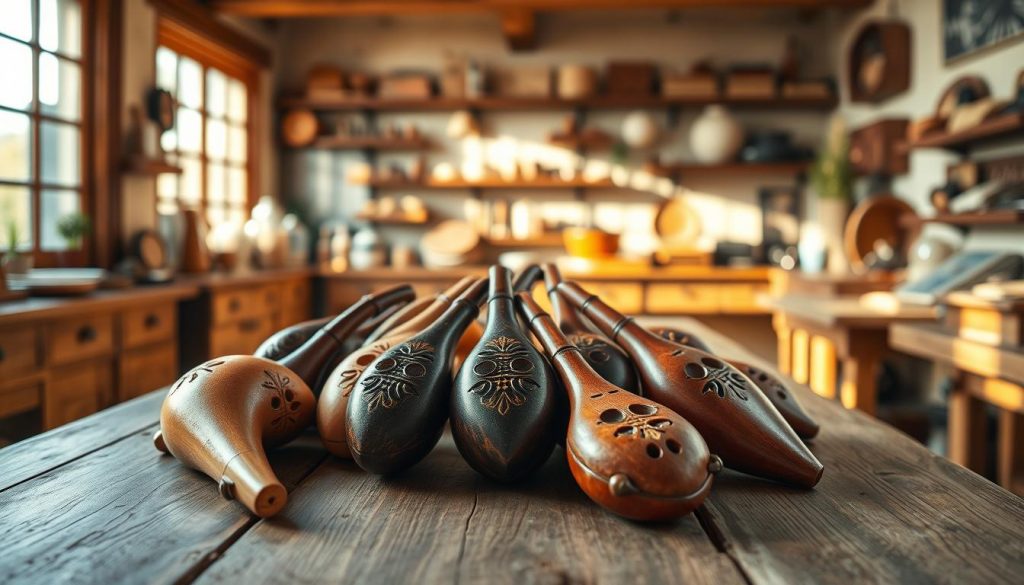
Instruments du Monde remains an important starting point. Its catalogue includes more than 70 ocarinas, stock is displayed clearly, and its customer service offers genuinely personalised advice. Careful shipping and clear availability information make buying easier.
Ocarina World — Stein / Focalink
The Stein/Focalink range stands out for its consistent tuning. An alto in C starts at around €42; players appreciate its value for money.
Musique de Terre (Olivier Gosselink)
This local maker offers handcrafted models, including transverse and multichamber ocarinas and even triple C3 models with Pacchioni fingering. Their glazed finishes look attractive, sometimes in understated black.
Why choose handmade? A handcrafted ceramic ocarina offers a rich tone, balanced projection and premium finishes. Detailed product listings describe the range, number of holes and fingerings so you can check the notes and choose a suitable model.
Listen to audio samples when available: they are the best way to assess tuning.
Major international specialist websites
Three sellers come up often in the global market: a major provider of learning resources, a maker known for understated designs and a premium craft workshop.
STL Ocarina
STL is a major American name that has been active for more than 15 years. Its extensive catalogue includes “12 holes in C major” models (the name “Tenor in C” corresponds to an alto ocarina in C).
Indicative price for an alto in C: around €50. Delivery: around two and a half weeks. Watch for shipping costs, currency conversion and the free-shipping threshold, often set above $100.
Songbird Ocarina
Songbird appeals to buyers with its clean lines and good reviews. Its models remain affordable and reliable for those who want a restrained design and consistent performance.
Spencer Ocarina
Spencer offers premium handcrafted models ($199 to $299). The ceramic work and finishes are carefully executed, but prices are high, and buyers ordering from the United States should allow for delays and taxes.
Be prepared for high notes that can be more demanding: customer support may offer adjustments or exchanges.
- Read the specifications (number of holes, range and material) and listen to demonstrations when available.
- Compare prices, delivery times and return policies before placing your order.
- Allow for a case or stand to protect a ceramic instrument during transport.
Platforms and smaller brands worth watching
Some independent platforms let you discover talented makers and unusual models. They often offer affordable options for anyone seeking a different instrument.
Dinda Ocarina (Sarawut Bugkhuntod) sells its models on Etsy. These handmade alto ocarinas in C often cost around €35 and are appreciated for their tone.
Stock is irregular: subscribe to notifications to hear when new models are listed.
Night by Noble offers a highly regarded AC model made of plastic. Its matte finish and value for money make it a benchmark for beginners and outdoor playing.
Compared with ceramic, plastic sounds a little less refined, but few entry-level models can match it. Always check the number of holes and the tuning (alto in C) before buying.
- Listen to samples on the product page and read recent reviews.
- Turn on alerts to hear as soon as a new instrument is listed.
- Ask the seller technical questions (number of holes, tuning and recommended skill level).
- Allow for a case: even a plastic instrument will last longer when protected.
“Watch stock levels and listen to demonstrations: that is the best way to choose.”
| Brand / platform | Type | Indicative price | Key points |
|---|---|---|---|
| Dinda (Etsy) | Handmade ceramic | Around €35 (alto in C) | Well-regarded tone, irregular stock |
| Night by Noble | AC plastic | Affordable | Matte finish, durable outdoors |
| Independent platforms | Varied selection | Prices vary | Unique pieces, sometimes long waits |
Where to buy an ocarina in France: shops and websites
To start your search, look first for retailers that clearly display stock and customer service terms.
Specific recommendations: consider Instruments du Monde for its extensive stock and Ocarina World (Stein/Focalink) for its good value for money.
Consider international websites (STL, Songbird, Spencer) if you want a particular model, an unusual design or a learning bundle unavailable locally.
- Check that the product listing specifies a 12-hole alto in C.
- Compare specifications, shipping times and the total price, including delivery.
- Save your favourites or keep tabs open to track stock and price changes.
Buying from a French shop reduces uncertainties around language, returns and customs, and often gives you access to more responsive customer service.
A good purchase depends on the seller’s reputation, the precision of the stated tuning and a clear return policy.
Compare two or three offers before deciding. Today, online product pages remain the most practical way to find reliable, well-tuned ocarinas.
General marketplaces: low prices, inconsistent quality and tuning
General marketplaces often have very cheap offers, but sound quality varies enormously.

On these sites, 12-hole models cost around €17 to €20, while Night by Noble models cost around €33 to €49. Six-hole pendants or toys cost about €5 to €12.
Descriptions are often vague. Musical Instruments & Audio categories mix toys with real instruments, making it difficult to find a reliable one.
Examples of listings and warning signs
A cheap 12-hole model may look appealing, but its tuning is often inconsistent. Customer reviews tend to discuss its appearance or delivery, rarely whether it plays in tune.
Why avoid poorly tuned models?
An unusually low price is a warning sign: precise tuning, consistent response to breath and stable notes all carry an unavoidable cost.
A simple rule: if the page does not specify the tuning, number of holes, material (plastic or ceramic) and range, move on.
For your first purchase, choose a specialist shop so you get a reliable ocarina from the start.
The secondhand market in France: scarce listings, sometimes higher prices and hygiene concerns
The secondhand market is limited: few credible listings appear each month. Instruments sell quickly or are often listed at a price close to that of a new one.
The hygiene risk is real. The internal chamber retains moisture, and traces of saliva may remain. Without proper cleaning, it can develop hidden mould.
Checks to make before travelling to see one
- Ask for detailed photos (inside the chamber, holes and any cracks).
- Ask about its history of use and the claimed tuning.
- Plan to clean it thoroughly on arrival: a suitable bath, gentle disinfection and complete drying.
Compare it with a new instrument: entry-level models often cost less than €50. For a first purchase, secondhand is therefore rarely the cheaper option.
Unless you get lucky, buying secondhand is not the safest way to start with confidence.
Physical music shops: limited availability, so call before visiting
A phone call can save you a wasted trip. Most general music shops do not keep ocarinas on their shelves. Calling ahead saves time and lets you confirm stock.
Trying one in a shop and the right to withdraw from an online purchase
Trying an instrument in person may be restricted. For wind instruments, hygiene concerns often justify a ban on playing them to avoid direct contact.
Online, the product page, buying guides and 14-day right of withdrawal offer another option. You can assess the feel and sound at home, then return the instrument if it is unsuitable.
“Call before visiting: it saves time and avoids disappointment.”
- Most general music shops do not stock these instruments; call before visiting.
- Trying one in a shop may be prohibited for hygiene reasons.
- The 14-day right of withdrawal lets you try the instrument at home.
- Online specialists often provide more technical information (number of holes, tuning and range).
- Bring a few exercises and reference notes if the shop allows a trial.
- The wait for an in-store order may be comparable to buying from a specialist online shop.
Conclusion: call before visiting and check the trial conditions if you want to buy in a shop. Staff can help you, but online listings are often more complete.
Essential selection criteria: holes, range, tuning and materials
Technical features often determine how you can use an ocarina and how comfortable it is to play. Start with your hand size, repertoire and budget. These factors will guide you toward a suitable format.
4, 6 or 12 holes, double or triple chambers: which suits whom?
Four- and six-hole models suit children and beginners. They are easy to handle and offer up to about 17 notes, depending on the fingering.
A 12-hole model covers about 21 notes: it is a versatile choice for most tunes. Two- and three-chamber models extend the range without requiring another instrument and are useful for advanced players.
Ranges: soprano, alto and bass
A soprano has a bright, high sound. The more balanced alto is recommended for beginners.
A bass has a rounded sound but costs more and requires more breath. Note that “Tenor in C” corresponds to “alto in C” when looking at international listings.
Common tunings and materials
Common keys are C, F, G and B-flat. C makes learning easier because beginners can play a complete scale.
Ceramic: rich sound and plenty of expression.
Plastic: durable and practical outdoors. Either material can produce an instrument that plays in tune when it is well made.
One way to progress: begin with a 12-hole alto in C, then add a two-chamber model if your repertoire calls for one.
Budget and expected price ranges
Knowing how much to spend makes it easier to choose between plastic, ceramic and handcrafted instruments. First decide whether you want an instrument for travel, playing at home or recording.
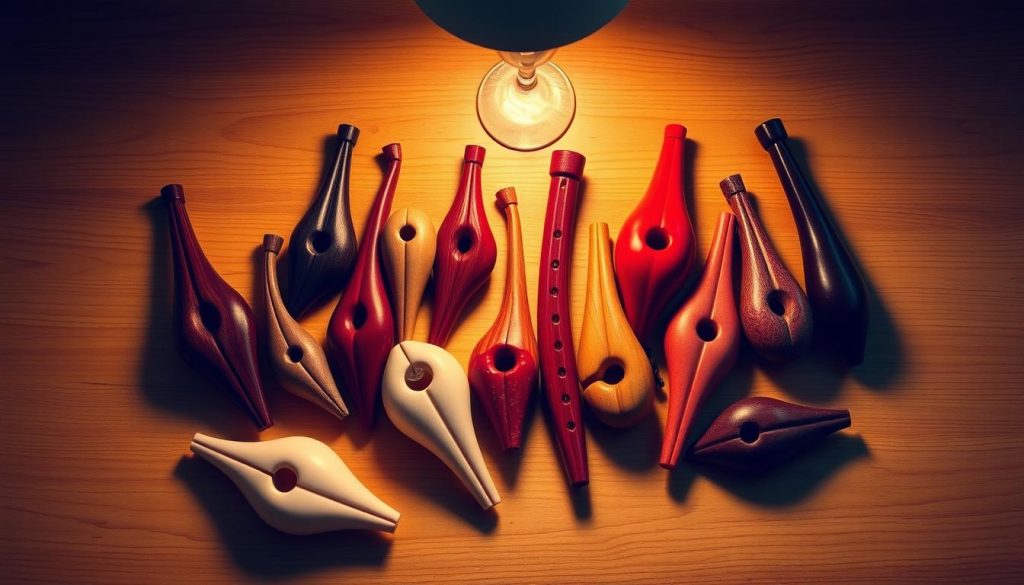
Entry level: plastic or ceramic for beginners
For beginners, a reliable 12-hole alto in C often costs between €40 and €70. Durable plastic models (such as Night by Noble) cost around €33 to €49.
Entry-level ceramic models, such as Stein/Focalink ocarinas sold by Ocarina World, start at around €42. Dinda also offers handmade altos for around €35, depending on stock.
Craft makers and premium models: when to spend more
Handcrafted pieces (Spencer, Musique de Terre) can cost $199 to $299. The additional cost covers the finish, note-by-note balancing and sometimes multiple chambers.
Spend more if you want a particular tone, an even response across the full range or a unique piece.
- Reminder: calculate the total cost (accessories, shipping and taxes).
- Avoid unusually cheap offers: they carry a risk of poor tuning and disappointment.
Stock, delivery times, taxes and returns for online purchases
Shipping, customs and return policies can significantly change the final cost and waiting time. Always check stock availability on the product page before ordering.
France / EU and United States / Asia: charges, customs and delivery times
Buying within the European Union avoids customs duties and shortens delivery times. Shipments within the EU generally arrive faster and without customs formalities.
For orders from the United States or Asia, allow for VAT, handling fees and longer delivery. For example, STL indicates delivery of about two and a half weeks and possible free shipping on orders above $100.
Premium instruments (Spencer: $199 to $299) often involve taxes and customs formalities that should be included in the price calculation.
Return policies and customer support from specialist retailers
Choose sellers that clearly explain their terms: return period, who pays return shipping and refund time.
In France, a 14-day right of withdrawal applies to orders placed online. Specialists often provide genuine customer support to address tuning or exchange a model with sensitive holes.
Keep invoices, order numbers and screenshots: these records make dealing with customer support easier.
- Check the stated availability on the product page.
- Calculate the total delivered cost (shipping, VAT and customs duties) before confirming.
- Plan purchases outside holiday periods: delays can stretch to several months.
- Choose a retailer that offers support and adjustments: that is reassuring for an instrument that demands precision.
Accessories, sheet music, tablature and your first tunes
Regular practice benefits from suitable equipment, simple sheet music and effective tutorials.
Cases, stands, methods and useful YouTube channels
Essential accessories: a padded case protects ceramic. A small stand helps prevent falls. Keep soft cloths for cleaning.
Methods and sheet music: songbooks and instructional books (including those by Hal Leonard in English) provide a step-by-step route to learning tunes. Suitable tablature shows which holes to cover and which notes to practise.
Video resources: follow OCTalk, Gina Luciani and Tristan Laurens. STL’s channel offers more than 300 tutorials and covers for players at every level.
- Part’Ocarina: an online tool for creating and sharing tablature.
- Begin with simple tunes on an alto in C, practise long notes, then move on to increasingly difficult songs.
- A music stand, metronome and smartphone recordings can speed up your progress.
Tip: good posture, controlled breathing and breath control stabilise high notes and enrich the tone.
What to check before buying your ocarina
Before completing your order, take a few minutes to check the points essential to a good buying experience. This quick review protects your investment and helps avoid time-consuming returns.
Quality, ergonomics, chamber and repertoire
Check the tuning: a 12-hole alto in C is a good starting point. Look for clear documentation, audio samples or reviews confirming that it plays in tune.
Assess the quality: choose a recognised brand and check for rough edges or cracks, as well as consistent high and low notes.
Check the fit in your hands: consider hole placement, weight and balance. Make sure you can play every note without excessive strain.
Inspect the chamber and mouthpiece: cleanliness, a clear air channel and no odour indicate a sound instrument with a consistent tone.
- Clarify how you will use it: ceramic for a rich tone at home, plastic for durability outdoors.
- Check the purchase terms: stock, delivery times, additional charges, return policy (14 days) and customer support before paying.
- Set your budget: allow for a case, perhaps a stand and an instructional book to help you progress quickly.
- Define your repertoire: choose an appropriate range and consider a two- or three-chamber model if needed.
Tip: keep screenshots and the invoice: they make any contact with customer support easier.
Conclusion
This page aims to make your decision easier: prioritise accurate tuning and seller support. Start with specialist retailers and recognised brands to reduce unpleasant surprises.
Remember: STL has sold ocarinas for more than 15 years, while Instruments du Monde and Ocarina World provide genuine customer support. The black Night by Noble remains an accessible plastic benchmark thanks to its durability.
To buy an ocarina with less risk, compare the delivered price, delivery times and return policy. Aim for a 12-hole alto in C to begin with, then move to ceramic if you want even more expression.
Next step: select two or three models, check availability and place your order so you can start playing.