
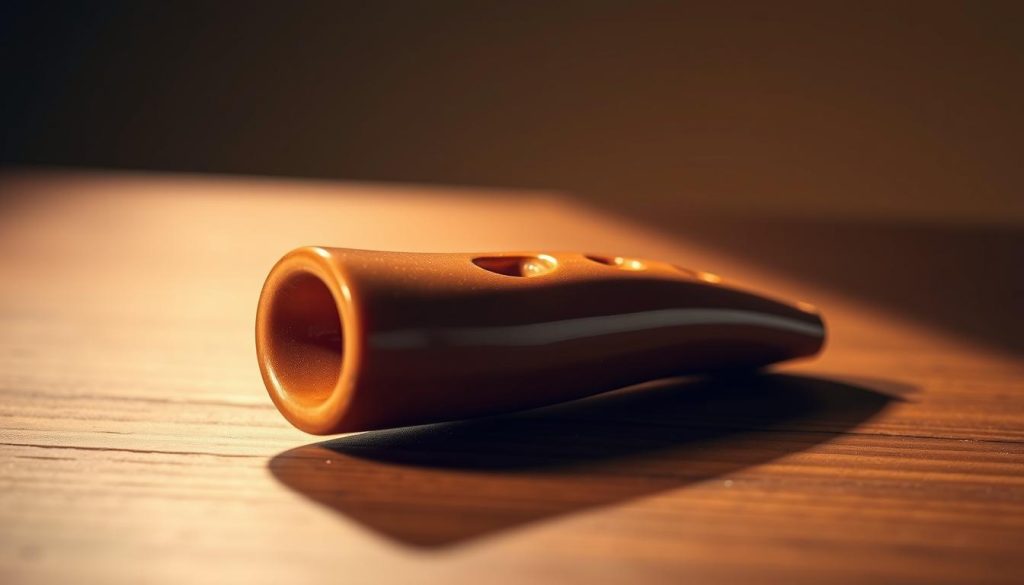
Choosing an ocarina means understanding the price ranges and what they offer. This guide covers the usual range, from inexpensive ABS plastic models to handmade instruments and multi-chamber designs.
Cost varies with the material, number of holes, tuning quality and included accessories. A simple instrument may be enough for learning, while a ceramic or handmade model can offer better sound quality and greater playing comfort.
Here are some guidelines: around €15 to €30 for an entry-level model, €40 to €80 for a well-tuned alto in C, over €100 for a handmade model, and over €200 for a double- or triple-chamber model. Well-known examples include Night by Noble, Songbird, Forest Whisper and OcarinaWind Zelda.
This guide compares player profiles (beginners, intermediate players and experts) and offers practical advice. To see a current selection, browse our ocarina collection.
Understanding the ocarina market in France today
A wide variety of models is available in France, from simple ocarinas for teaching to handmade instruments intended for the stage.
Range and types: shops and websites offer instruments with 4, 6, 10 or 12 holes, as well as double- and triple-chamber models. Materials range from ABS plastic to ceramic, wood, resin and metal.
Price trends: prices range from about €15 to €300 and above. Higher prices reflect build quality, tuning and finish, all of which influence the final choice.
Cultural demand—video game music, folk and classical music—shapes the range of teaching models and instruments designed for performance.
Advice for 2025: identify your level and try the instrument if possible. Read reviews and expert opinions to assess comfort, tuning accuracy and projection.
| Segment | Examples | Common materials |
|---|---|---|
| Entry level | 4 to 6 holes, sets with a case | ABS plastic, resin |
| Intermediate | 10 to 12 holes (alto in C recommended) | Ceramic, earthenware |
| Professional / stage | Handmade double- or triple-chamber models | Wood, high-end ceramic, metal |
The supply chain combines artisan workshops and industrial production. Online platforms offer wide availability, useful beginner sets and return options.
Purchase price by playing level: from first lessons to the stage
To progress, choose an ocarina that suits the size of your hands and your musical ambitions. The right choice depends on your level, finger shape and intended repertoire.
Beginners: first instruments in plastic and ceramic
Starting point: a sturdy plastic model (€15 to €30) lets you learn fingerings without worrying about breakage. Night by Noble is a common example for beginners.
Intermediate players: 10- or 12-hole alto ocarina
The next step is a ceramic 10- or 12-hole alto ocarina (€40 to €80). It gives you access to more notes and greater musical expression. Sets such as Forest Whisper or L’MS Professional include a case and tablature, which can help you progress quickly.
Experts: multiple chambers and handmade finishes
For experienced players, spending over €100 can bring better ergonomics, tuning accuracy and projection. Double- or triple-chamber models (over €200) provide an extended range suited to concerts.
Children: light weight and durability
Children’s models are compact, with closely spaced holes and an easy-to-use mouthpiece. They use durable materials to make practice fun and safe.
| Level | Material / type | Indicative price range / examples |
|---|---|---|
| Entry level | Plastic, resin | €15 to €30 — Night by Noble |
| Intermediate | Ceramic, 10 to 12 holes | €40 to €80 — Forest Whisper, L’MS Professional (case, tablature) |
| Professionals / experts | Handmade, double- or triple-chamber models | Over €100 for handmade instruments, over €200 for double- or triple-chamber models |
Types of ocarinas and how they affect the price
The configuration—the number of holes, chambers and shape—changes the instrument’s musical possibilities and the complexity of its construction.

4- and 6-hole ocarinas
Simple to learn on. A 4-hole model offers a pentatonic scale ideal for beginners. A 6-hole model covers a full octave and lets you play more melodies.
These models are inexpensive and sturdy. They help you work on breath control, finger position and hand placement.
10- and 12-hole ocarinas
Depending on their design, 10- and 12-hole versions often span 1.5 to 2 octaves. They became popular thanks to Donati (10 holes) and Aketagawa (12 holes).
More holes give access to more notes and a wider repertoire, along with greater musical versatility.
Double- and triple-chamber ocarinas
Multi-chamber models let you move between registers without changing instruments. They require more advanced technique and have more complex acoustics.
Effect on price: more drilled holes, tuning work and internal parts increase production costs. Shape and ergonomics also affect finger comfort and how the instrument sits in your hands.
| Type | Advantage | Use |
|---|---|---|
| 4 holes | Simple and suitable for teaching | Nursery rhymes, first lessons |
| 6 holes | One octave, easy to handle | Developing skills, simple repertoire |
| 10 or 12 holes | 1.5 to 2 octaves, versatile | Varied pieces, continued learning |
| Double or triple chamber | Multiple chambers, suited to the stage | Arrangements, concerts |
Materials and sound quality: plastic, ceramic, wood and resin
The material changes how air flows and how the notes respond. Understanding these differences helps you choose a model suited to your playing and maintenance habits.
Plastic (ABS)
Advantages: light weight, durability and an affordable price.
A plastic model withstands drops and is suitable for travel. Night by Noble illustrates the qualities of a plastic alto in C, with a clear, consistent sound.
Ceramic / earthenware
Advantage: a warmer tone and purer sound quality.
Ceramic ocarinas such as Forest Whisper or L’MS Professional offer a rich response. They are fragile, however, and deserve a hard case.
Wood
Wood produces a natural, mellow tone. It needs special care: a stable temperature and protection from moisture.
Resin and metal
These materials are less common. They allow for modern effects or distinctive designs, with different weights and projection.
“Build quality and tuning often matter more than an attractive finish: evenly formed holes and a clean air channel help notes sound consistently.”
To compare and try models, browse our ocarina selection.
Range, key and musical playing
Your chosen range guides your repertoire and affects breath control, fingering accuracy and projection. This choice is essential when deciding how you will play, whether in an ensemble or solo.

Soprano, alto and bass: pitch, projection and challenges
The soprano produces high notes and has a strong presence in clear melodies. It requires precise breath control to avoid forcing the notes.
The alto offers a good balance: a middle register, comfortable finger placement and enough projection for group playing. For these reasons, an alto in C remains an excellent choice for learning.
The bass produces warm low notes and strong resonance. It takes more air and good breath support, but adds depth to arrangements.
Common keys and choosing sheet music
The keys of C, D, F and G cover most styles. C is often recommended: sheet music is plentiful, fingerings are standard and tablature is widely available.
| Type | Approximate range | Effect |
|---|---|---|
| Soprano | A4–F6 | High notes, demanding control |
| Alto | C4–A5 (1.5 to 2 octaves) | Versatility, balance of comfort and projection |
| Bass | G2–C5 | Rich low notes, greater air requirement |
Match the key to your repertoire and ensemble. If you are looking for sheet music, choose pieces with tablature for quicker reading.
To compare models and ranges, read our dedicated comparison. It helps you choose according to your style and desired musical range.
2025 selection: our product picks by budget
This overview groups instruments by sound, playing comfort and accessories. It helps you choose according to your level and musical goals.

Under €30: reliable plastic models for learning
Look for: durability, easy maintenance and holes that are easy to cover.
Example: the plastic Night by Noble, ideal for children and beginners. This type of instrument lets you learn without worrying about breakage.
€30 to €60: better-tuned ceramic altos in C
Look for: a move to the alto ocarina, a warmer tone and more nuance.
Examples: Forest Whisper and 12-hole OcarinaWind. Sets often include sheet music and a lightweight case.
€60 to €100: finishes and accessories
Look for: better tuning accuracy, a sturdy case, and guides or tablature.
Example: the 12-hole L’MS Professional, suited to players seeking good quality without a large outlay.
€100 to €200: handmade and signature models
Look for: manual quality checks, a shape that fits your hand and precisely drilled holes.
These models suit demanding musicians seeking high quality and better projection.
€200 and above: double- or triple-chamber models for experts
Look for: multiple chambers for an extended range and professional recordings.
Ideal for concerts, these instruments require solid finger and breath technique.
- Quick tips: start with a simple model, check the hole spacing and choose a versatile alto ocarina before moving to high-end models.
- Remember accessories: a case, strap and tablature make learning easier.
Essential buying criteria for this wind instrument
Choosing the right instrument comes down to three simple criteria: playing comfort, tuning accuracy and useful accessories. They help you avoid regrets after purchase and progress quickly.

Ergonomics and grip
Shape, hole spacing and weight affect how the instrument sits in your hands and how quickly your fingers tire. A rounded shape and well-placed finger rests make fast passages easier.
For young players or people with small hands, check the spacing before buying. An instrument that is too wide forces you to stretch your hands and makes accurate fingering harder.
Tuning and pitch accuracy
Points to check: note stability, accurate pitch across the whole range and response to breath.
Check that the holes are even and the intervals remain stable. Hold notes for a while and play ascending scales to detect inconsistencies.
Accessories and warranties
Many models include a case, strap, fingering chart and sheet music. These items make practice easier and protect your instrument.
Expert tip: try several models, choose a well-tuned alto in C for its versatility, and buy from a seller with reliable after-sales service.
For a comparison of ocarina types and detailed recommendations, read our comparison of the different types.
Where to buy in France and online
Trying an instrument immediately in a specialist shop and choosing from a wide online range each have advantages. A shop visit lets you test breath response, grip and tuning accuracy on the spot.
Instrument shops and specialist makers
Advantages: personal advice, a chance to hear the instrument and adjustments on site.
Instrument makers also offer handmade pieces, repairs and custom adjustments. Contact them if you want a particular finish or modification.
Online platforms and established brands
Advantages: a wide choice of 4-, 6-, 10- or 12-hole models, as well as double- and triple-chamber designs; varied materials (plastic, ceramic, wood, resin and metal); and sets with a case and tablature.
To assess quality remotely, read detailed specifications, watch demonstrations, check verified reviews and examine return terms. Favour sellers that provide accessories and a warranty.
“Try the instrument when you can, and listen to sound demonstrations before buying online.”
- Compare buying in a shop (advice and an immediate trial) with buying online (availability, prices and sets).
- Check audio and video samples, return terms and the brand’s reputation.
- For handmade models or repairs, contact specialist instrument makers.
For a full comparison of 4-, 6- and 12-hole models, read our detailed guide: comparison of 4-, 6- and 12-hole ocarinas.
Ocarina prices: budgets from beginner to advanced
Price ranges are useful guidelines for choosing an instrument that suits your level and repertoire.
Price ranges by type, material and level
4 to 6 holes: compact models for learning—around €15 to €30 for a plastic model.
10 to 12 holes (alto in C): versatile models—€40 to €80 for a well-tuned ceramic model.
Double or triple chamber: stage use and extended range—over €200; handmade instruments cost over €100.
| Type | Material | Price range |
|---|---|---|
| 4 or 6 holes | Plastic, resin | €15 to €30 |
| 10 or 12 holes | Ceramic, earthenware | €40 to €80 |
| Double or triple chamber | Handmade, wood | Over €100 to over €200 |
Getting the best value
Choose a well-tuned 12-hole alto in C for an excellent balance of sound and comfort.
Check the included accessories (case, strap and tablature) and compare online offers.
Tip: favour quality construction over elaborate decoration.
When to upgrade
Consider upgrading if you run out of notes, need more projection or find that discomfort interferes with long playing sessions.
Your repertoire is the clearest signal: when it calls for multiple chambers or a wider range, it is time to invest.
Care, durability and long-term cost
Regular care preserves tuning accuracy and extends your instrument’s life. A few simple habits are enough to maintain good sound quality and limit costs over time.
Cleaning, storage and precautions for each material
Wipe the mouthpiece and surface after every session. A soft cloth removes moisture and prevents deposits around the holes.
Store the instrument somewhere dry and out of direct sunlight. Ceramic is vulnerable to knocks and temperature changes. Plastic is sturdy but should be kept dry to prevent mould.
Repairs, replacements and useful accessories
If you notice cracks, an air leak or a persistent loss of tuning accuracy, consult an instrument maker. A distorted air channel or worn holes may justify repair or replacement, depending on the model.
- Recommended accessories: padded case, strap and spare parts.
- A case protects the instrument from knocks and reduces the need for repairs.
- Straps and stands reduce the risk of drops during transport.
| Action | Frequency | Effect |
|---|---|---|
| Light wipe-down | After every playing session | Protects the holes and mouthpiece |
| Moisture check | Every week | Prevents mould and parts coming loose |
| Professional inspection | Every year or if there is a leak | Detects cracks and allows the air channel to be adjusted |
Regular care reduces repairs and extends the life of your ocarinas.
Conclusion
Keep these guidelines in mind when choosing and trying your instrument.
Choose a well-tuned alto ocarina for an excellent balance of comfort, range and ease of playing. Choose the number of holes to suit your repertoire: 4 to 6 for first lessons, 10 to 12 for access to more notes, and multiple chambers for experts.
Ceramic offers a warm tone, while plastic remains practical for younger players. Check tuning accuracy, ergonomics and accessories before buying, whether in a shop or online.
Take time to try the instrument, read sheet music and care for it so it lasts. To learn more about choosing a 12-hole ocarina, read our dedicated guide.