
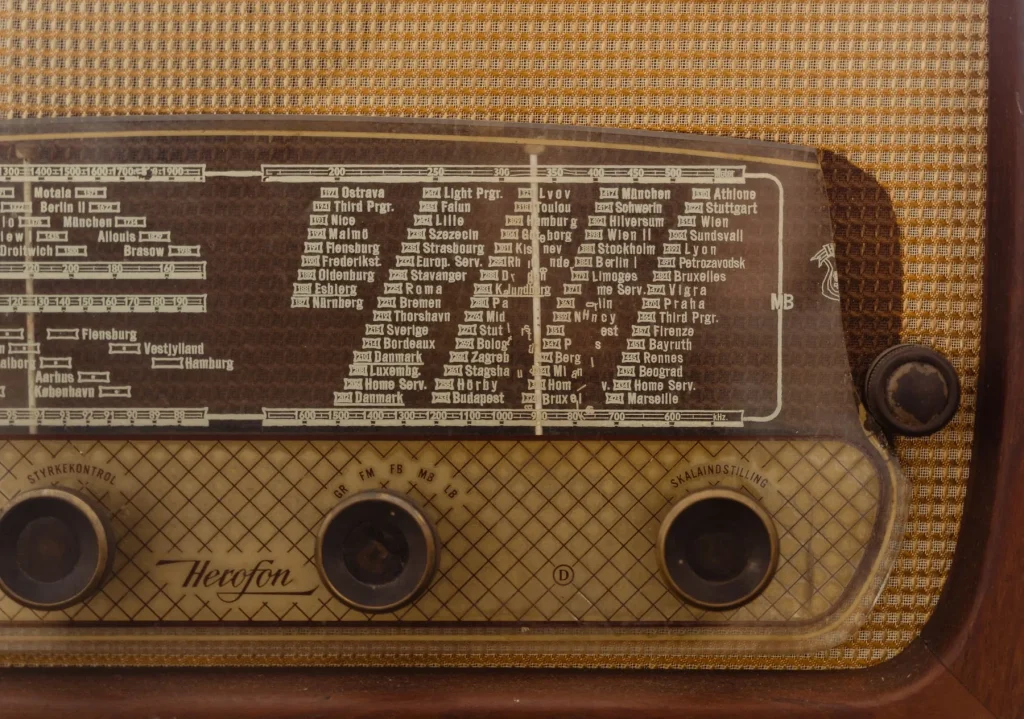
Television and radio play a crucial role in promoting and broadcasting French songs, helping to make them popular and successful.
Focusing on television’s influence on the popularity of French music, we will examine how these media have helped promote French artists and songs.
Rules governing the broadcast of French songs on the radio
The broadcast of French songs on the radio is regulated in France: stations must meet quotas designed to support French music. These rules aim to ensure musical diversity and encourage the discovery of new talent. Private radio stations must broadcast at least 40% French-language songs, half of which must come from new talent. Stations specializing in the promotion of young artists must broadcast 35% French-language songs and 25% new talent. So-called “heritage” stations must broadcast at least 60% French-language songs and a proportion of new releases.
Public-service broadcasting also plays an important role in promoting French songs. It gives French-language music a prominent place and actively promotes new talent. This commitment to supporting French music is reflected in the various radio programs offered to listeners.
During the Second World War, radio played a crucial role in the French Resistance. Radio-Londres, the voice of the Free French Forces, broadcast resistance songs to sustain the morale of the French people. By contrast, Nazi-controlled Radio-Paris used music to spread pro-Nazi propaganda. Both stations drew on the power of music to influence listeners and convey their messages.
| Type of radio station | % of French-language songs | % of new talent |
|---|---|---|
| Private stations | 40% | 50% |
| Specialist stations | 35% | 25% |
| “Heritage” stations | 60% | Variable |
Radio clearly plays a fundamental role in broadcasting French songs by spotlighting emerging talent and promoting the country’s musical diversity. These rules help preserve and promote the richness of French music while giving listeners a variety of styles and voices to discover.
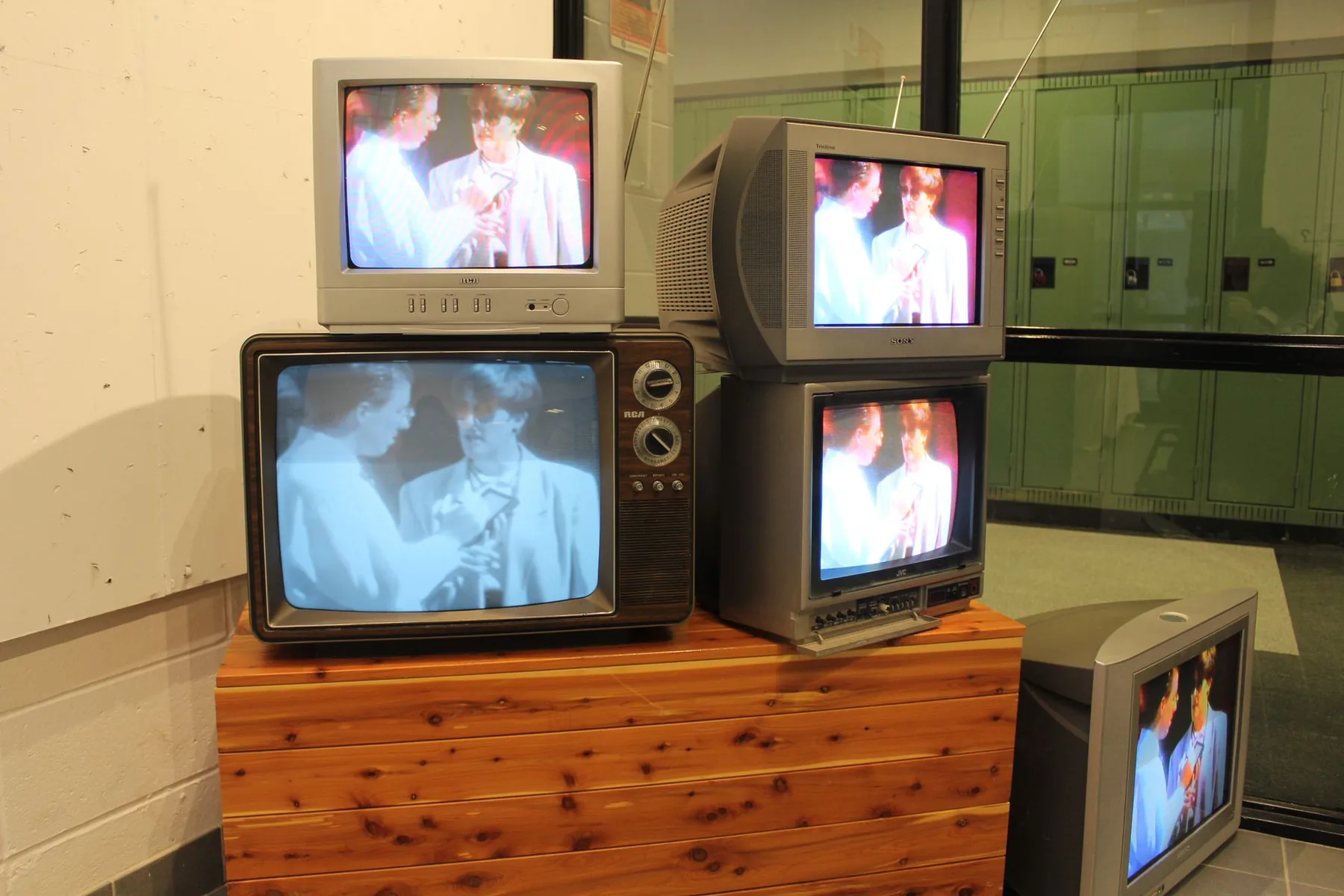
Television plays a major role in promoting new French singing talent. It gives artists an important showcase for their music and helps them reach a wide audience. Through its various programs devoted to French music, it gives emerging artists a valuable opportunity to become known and connect with their audience.
Television shows such as “The Voice” and “Nouvelle Star” have become springboards for young talent, offering them unprecedented media exposure. They allow artists to demonstrate their talent, voices and originality before a panel of judges and an enthusiastic audience. Winners often receive substantial support from the public and the music industry, helping propel them to success.
Alongside competitions, other television formats also spotlight new French singing talent. Programs such as “Tarata” and “Taratata” give emerging artists a stage on which to perform their songs live and be interviewed by well-known presenters. They help viewers discover new talent and become familiar with the artists’ music.
Examples of television programs that spotlight new talent:
| Program | Description |
|---|---|
| “The Voice” | A singing competition in which participants are judged solely on their voices, giving new talent a platform to be noticed. |
| “Nouvelle Star” | A music competition in which contestants are judged on their talent and originality, allowing new performers to stand out. |
| “Tarata” | A variety show where emerging artists can perform live and be interviewed by well-known presenters. |
| “Taratata” | A popular music show that invites emerging and established artists to perform their songs live. |
Thanks to television’s large audience, these programs can influence the public’s musical tastes and bring little-known artists to fame. Television thus offers new French singing talent a valuable springboard, fostering diversity and innovation in the country’s music industry.
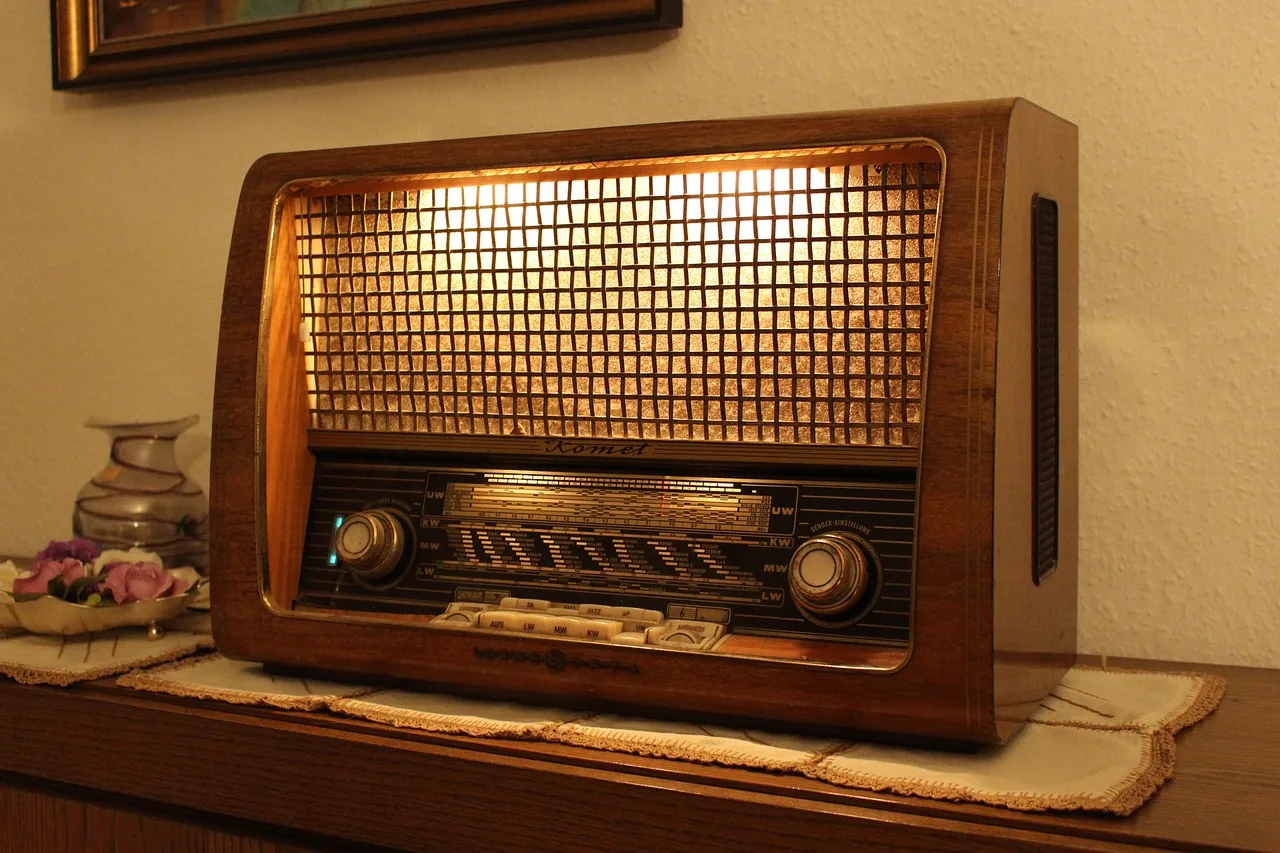
In conclusion, television plays a key role in promoting new French singing talent. It gives artists a platform for their music and helps them reach a wider audience. Through programs devoted to them, emerging artists have the opportunity to become known and connect with their audience, helping their careers grow.
The historical importance of radio in broadcasting French songs
Radio played a crucial role in broadcasting French songs, particularly during the Second World War, when it served as a vehicle for both resistance and propaganda. Two stations, Radio-Londres and Radio-Paris, used music to influence listeners in sharply different ways.
Radio-Londres, based in London, was the voice of the Free French Forces. It broadcast resistance songs to encourage and support the struggle against Nazi occupation. The station became a symbol of hope and resilience for French people living under Nazi oppression.
By contrast, Nazi-controlled Radio-Paris used music to spread pro-Nazi propaganda. The station broadcast songs and melodies intended to glorify the Nazi regime and manipulate French listeners’ thoughts and emotions.
| Radio stations | Role during the war |
|---|---|
| Radio-Londres | Broadcast resistance songs to support the struggle against Nazi occupation |
| Radio-Paris | Broadcast music for pro-Nazi propaganda |
A historical role that continues to influence French music
The historical importance of radio in broadcasting French songs cannot be overstated. During the Second World War, it carried messages of resistance and propaganda. It also helped popularize French music and promote new talent. Today, radio continues to play an essential role in the French music industry by giving emerging artists a platform and broadcasting their songs to a wide audience.
“Radio was a powerful communication tool during the war. It helped French people stay connected and informed while providing inspiration and moral support through music.” — French music expert
Radio made French songs accessible to all listeners, encouraging musical diversity and giving artists from different genres and styles a voice. It opened doors to the music industry, allowing many talented performers to become known and reach a wider audience. That historical role continues today: radio still promotes French music and introduces listeners to new talent.
Radio played a crucial role in broadcasting French songs, particularly during the Second World War, when it was used for resistance and propaganda. Radio-Londres and Radio-Paris showed how music could influence listeners’ thoughts and emotions in different directions. Radio’s historical influence continues today: radio and television still play an essential role in promoting French music and discovering new talent.
Television as a means of promoting French music
Television is a powerful tool for promoting French music. Programs devoted to music help artists become known and reach a wide audience. They give emerging talent particular visibility, helping performers attract attention and appreciation from diverse viewers.
Among the most popular programs are singing competitions such as “The Voice” and “Nouvelle Star,” which give aspiring artists a chance to be noticed by music industry professionals. These shows often generate considerable media interest, drawing public attention to new talent and their performances. They can also give artists opportunities to sign recording contracts and develop their music careers.
Television also showcases the songs and albums of established French artists, giving their work greater visibility. Music variety shows such as the “Victoires de la Musique” in France honor the year’s best artists in different categories, providing a prestigious showcase for French music.
In addition to variety shows and singing competitions, French television offers programs devoted to specific genres, such as urban music, rock and pop. These specialist shows help artists in those genres become better known and reach a targeted audience.
In short, television plays an essential role in promoting French music. Through programs devoted to it, artists can become known, reach a wide audience and develop their music careers. It is an indispensable way to introduce audiences to the richness and diversity of French songs.
References:
| Program name | Description |
|---|---|
| The Voice | A televised singing competition in which aspiring artists perform before a panel of judges and a large audience. |
| Nouvelle Star | Another televised singing competition that gives new talent a platform. |
| Victoires de la Musique | An annual awards ceremony honoring the year’s best French artists. |
Television’s influence on the diversity of French songs
Television has a clear influence on the diversity of French songs by highlighting some musical genres and artists at the expense of others. Channels’ editorial choices can favor the most popular musical styles, leaving less room for lesser-known or emerging genres.
Some television programs are known for influencing the popularity of particular artists and musical styles. Talent shows, for example, have often propelled artists to fame, but they have also helped make the music broadcast on television more uniform by favoring certain genres over others.
It is therefore important to recognize that television can have mixed effects on the diversity of French songs. On one hand, it offers artists and musical genres exceptional visibility and exposure, which can contribute to their success and recognition. On the other, it can restrict the space given to less popular musical styles, slowing their development and promotion.
| Radio broadcast quotas in France | |
|---|---|
| Private stations | At least 40% French-language songs, half from new talent |
| Stations specializing in young talent | 35% French-language songs, including 25% new talent |
| So-called “heritage” stations | At least 60% French-language songs and a proportion of new releases |
| Public-service broadcasting | French-language songs given a prominent place, alongside the promotion of new talent |
“Television has a considerable influence on French songs, highlighting some artists and musical genres at the expense of others.” — French music expert
It is therefore essential to balance the promotion of already popular artists and musical genres with the discovery of new talent and lesser-known styles. By encouraging musical diversity on television, we can sustain a rich and varied music scene that offers opportunities to all artists, whatever their style or popularity.
In conclusion, television has a significant impact on the diversity of French songs. Although it offers artists and musical genres an exceptional showcase, it can also limit the visibility and recognition of less popular styles. A balance between promoting emerging artists and appreciating lesser-known genres is therefore essential to preserving the richness and variety of French music.
Television plays a crucial role in broadcasting French songs, contributing to their popularity, the promotion of new talent and the evolution of musical diversity in France. Under current regulations, private radio stations must broadcast a substantial proportion of French-language songs while highlighting new talent on the music scene. Specialist and so-called “heritage” stations also play an important role in promoting French music.
History has also shown radio’s major role in the French Resistance during the Second World War. Radio-Londres, the voice of the Free French Forces, used music to influence listeners by broadcasting resistance songs. Nazi-controlled Radio-Paris, for its part, broadcast music for propaganda purposes. These events illustrate the power of music and its influence on listeners.
Today, television continues to play an essential role in promoting new French singing talent. Programs devoted to French music give emerging artists a showcase, helping them become known to the wider public. They also raise the profile of French music generally by highlighting the country’s different musical genres and artistic styles.
In conclusion, television has an undeniable impact on French music. It broadcasts songs, promotes new talent and helps musical diversity evolve. Through its reach and influence, it contributes to the popularity of French songs and the recognition of French artists nationally and internationally.
FAQ
What role do radio and television play in broadcasting French songs?
Radio and television play an essential role in broadcasting French songs in France. They help promote French artists and songs and influence the popularity of French music.
How is the broadcast of French songs on the radio regulated?
In France, the broadcast of French songs on the radio is regulated. Private stations must broadcast at least 40% French-language songs, half of which come from new talent. Stations specializing in the promotion of young talent must broadcast 35% French-language songs and 25% new talent. “Heritage” stations must broadcast at least 60% French-language songs and a proportion of new releases.
What role does television play in promoting new French singing talent?
Television plays an important role in promoting new French singing talent. Television programs spotlight emerging artists and contribute to their success by giving them greater visibility.
What role did radio play in France during the Second World War?
During the Second World War, radio played an important role in the French Resistance. Radio-Londres was the voice of the Free French Forces and broadcast resistance songs. Nazi-controlled Radio-Paris broadcast music for pro-Nazi propaganda. Both stations used music to influence listeners.
How does television promote French music?
Television plays a major role in promoting French music by broadcasting programs devoted to French songs. These programs raise artists’ profiles and help popularize their songs.
How does television influence the diversity of French songs?
Television influences the diversity of French songs through its editorial choices. Channels’ programming decisions determine which musical genres and artists receive attention.