

French song is a cultural heritage that dates back to the late Middle Ages and the Renaissance. This form of musical expression developed from folk tunes, hunting calls, military airs, religious music and classical music. Since its origins, French song has evolved remarkably, adapting to the musical trends of each era.
In the 19th century, the arrival of sound recording marked a turning point for French song. It diversified and grew richer by drawing inspiration from genres such as musette, music from Latin America and the Caribbean, international hits and North American culture, including jazz, blues and rock.
Technological advances helped French song reach a wider audience through phonograph recordings, radio broadcasts and films. Today, it continues to influence contemporary music and inspire artists around the world.
The history of French song is rich and varied. It spans several periods, from the Cantilène de Sainte Eulalie in the Middle Ages to the Parisian chanson of the 16th and 17th centuries. From songs of heroic deeds and courtly songs to Burgundian chansons and court airs, each period helped shape the musical identity of French song.
French song extends beyond France: it also includes French-speaking artists and works from Quebec, Belgium, Switzerland, Africa and many other French-speaking regions. This linguistic and cultural diversity makes French song a symbol of unity across the French-speaking world.
The history of French song is therefore a journey through the centuries, showing how this form of musical expression has evolved and how important it remains to French-speaking cultures.
The Evolution of French Song
French song has evolved in ways that reflect the influences and musical trends of each era. Popular since the Middle Ages, it developed from folk tunes, hunting calls and classical music. It was in the 19th century, however, with the arrival of sound recording, that French song began to flourish.
French song has been shaped by many musical currents, demonstrating its ability to adapt and reinvent itself. From musette to rhythms from Latin America and the Caribbean, and from international hits to the arrival of North American jazz, blues and rock, each period brought new sounds and cultural influences.
Technological advances helped French song reach a broad audience through phonograph recordings, radio broadcasts and films. This wider exposure allowed French artists to gain recognition both at home and abroad, contributing to the reputation of contemporary French song.
The Popularity of French Song
French song became popular around the world thanks to celebrated artists such as Édith Piaf, Charles Aznavour, Jacques Brel and Serge Gainsbourg. Their songs touched audiences with poetic lyrics, evocative melodies and captivating performances.
Today, French song continues to appeal to listeners worldwide. Contemporary artists such as Stromae, Zaz and Louane have renewed interest in it with modern sounds and thoughtful lyrics. The variety of musical genres and the richness of lyrics in French contribute to its enduring popularity.
| Celebrated French Song Artists | Period |
|---|---|
| Édith Piaf | 1930s–1960s |
| Charles Aznavour | 1940s–2010s |
| Jacques Brel | 1950s–1970s |
| Serge Gainsbourg | 1960s–1990s |
French song has reinvented itself over time while preserving its essence. Its musical evolution continues to inspire and move listeners around the world, making it a jewel of French musical culture.
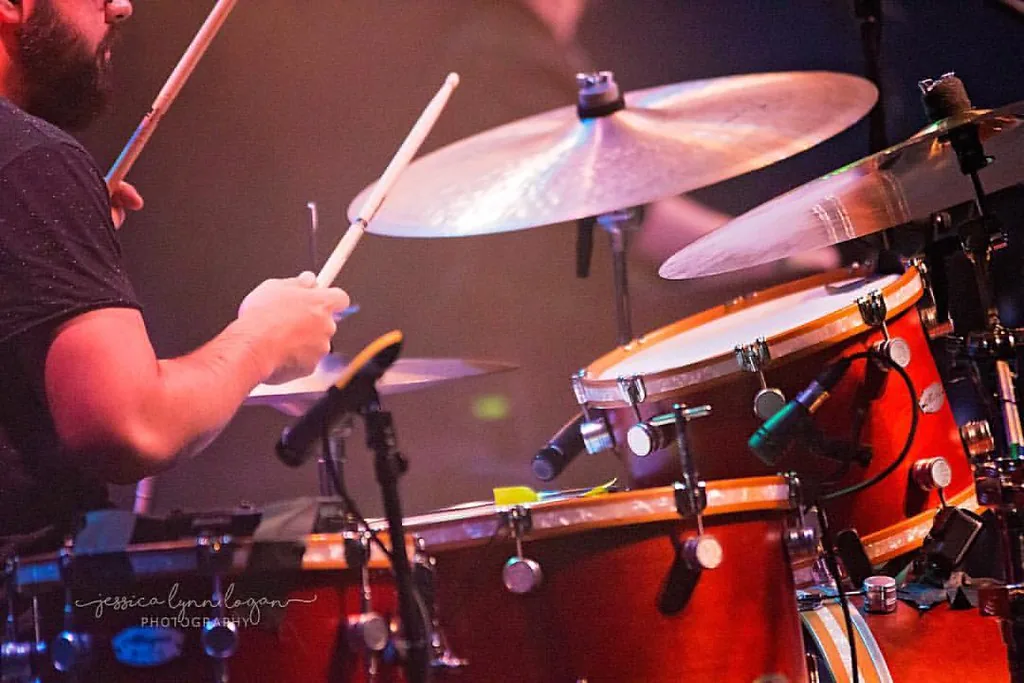
Many talented artists have left their mark on the history of French song. France’s musical landscape is full of singers who have captivated listeners with distinctive voices and moving lyrics. Here are some of the most famous French singers:
- Édith Piaf: nicknamed “La Môme Piaf,” this icon of French song is known for her powerful, moving voice. Songs such as “La Vie en rose” and “Non, je ne regrette rien” have become timeless classics.
- Charles Aznavour: with his warm voice and thoughtful lyrics, Charles Aznavour is one of France’s most beloved singers. Songs such as “La Bohème” and “Emmenez-moi” have resonated with several generations.
- Johnny Hallyday: nicknamed “the idol of the young,” Johnny Hallyday is a defining figure of French rock. His energy on stage and hits such as “Que je t’aime” and “Allumer le feu” won over audiences.
“French song has many talented artists who have left their mark on the history of French music.”
These artists shaped the history of French song and influenced many contemporary performers. Their distinctive voices and musical styles inspired countless singers who, in turn, contributed to the evolution of French song.
French song continues to thrive as new artists regularly emerge. Talented performers such as Stromae, Zaz and Louane have won over audiences with their charisma and musicianship. They represent the diversity and creativity of today’s French music scene.
Categories of French Song Artists:
| Category | Examples of Artists |
|---|---|
| Classic French song | Édith Piaf, Charles Aznavour, Jacques Brel |
| Contemporary French song | Stromae, Zaz, Louane |
| French pop song | Christophe Maé, M. Pokora, Tal |
French song artists continue to captivate audiences with their talent and passion for music. Their contribution to the history of French song is invaluable, and their influence can still be felt today.
French song is the result of a blend of musical currents that have influenced its evolution over the centuries. Many musical genres emerged in France and helped shape the country’s musical identity. These include the Parisian chanson, the chanson de geste, the courtly chanson and the air de cour.
The Parisian chanson is a musical genre that reached its height in the 16th and 17th centuries. It was often accompanied by dancing and drew inspiration from everyday life in Paris. Notable figures associated with this musical current included Pierre Certon, Adrian Le Roy and Guillaume Costeley.
The chanson de geste, meanwhile, was an epic narrative genre that portrayed heroes and chivalric exploits. Popular in the Middle Ages, it was often accompanied by musicians playing instruments such as the vielle, lute and psaltery.
The courtly chanson focused on courtly love and romance. Often performed by troubadours and trouvères, it was characterized by refined texts and elegant music.
Finally, the air de cour was a musical genre popular at the French court in the 17th century. Often performed at social gatherings, it featured graceful melodies and elegant lyrics.
| Musical Current | Period |
|---|---|
| Parisian chanson | 16th and 17th centuries |
| Chanson de geste | Middle Ages |
| Courtly chanson | Middle Ages |
| Air de cour | 17th century |
All these French musical currents helped shape French song as we know it today. They brought varied influences and styles, creating a musical richness that continues to inspire artists and listeners around the world.

This exploration of the history of French song shows how this form of musical expression has evolved over the centuries. From its medieval origins to its contemporary influence, French song has adapted to different musical currents and technological advances to remain a pillar of French culture.
French song artists, whether established or emerging, continue to inspire and move listeners worldwide. They have made music in French a universal art form, conveying emotions and messages through their lyrics and melodies.
The richness and diversity of French musical currents have also helped shape the country’s musical identity. Whether the Parisian chanson, the chanson de geste, the courtly chanson or the air de cour, each genre has brought something distinctive to French song, allowing it to evolve and reinvent itself over time.
Today, French song continues to thrive, blending with other influences to create new sounds and attract an ever wider audience. It remains a symbol of France’s cultural identity, representing both its history and its modernity.
FAQ
What Is French Song?
French song encompasses a range of genres of musical compositions in the French language whose origins date back to the late Middle Ages and the Renaissance.
How Did French Song Develop?
French song developed from folk tunes, hunting calls, military airs, religious music and classical music.
Which Musical Genres Influenced French Song?
French song has been influenced by various musical trends, including musette, music from Latin America and the Caribbean, international hits and North American culture, with jazz, blues and rock among its influences.
Which Technological Advances Helped Make French Song Popular?
Technological advances such as phonograph recordings, radio broadcasts and films helped French song reach a large audience.
Which Artists Are Associated with French Song?
The category of “French song” often includes French-speaking artists and works from Quebec, Belgium, Switzerland, Africa and other French-speaking regions.
What Are the Periods in the History of French Song?
The history of French song can be divided into several periods, from the Cantilène de Sainte Eulalie in the Middle Ages to the Parisian chanson of the 16th and 17th centuries, with chansons de geste, courtly chansons, Burgundian chansons and court airs along the way.