
Goal: follow a step-by-step tutorial to learn a famous melody from a 1995 film. This guide is designed to be simple and accessible to beginners.
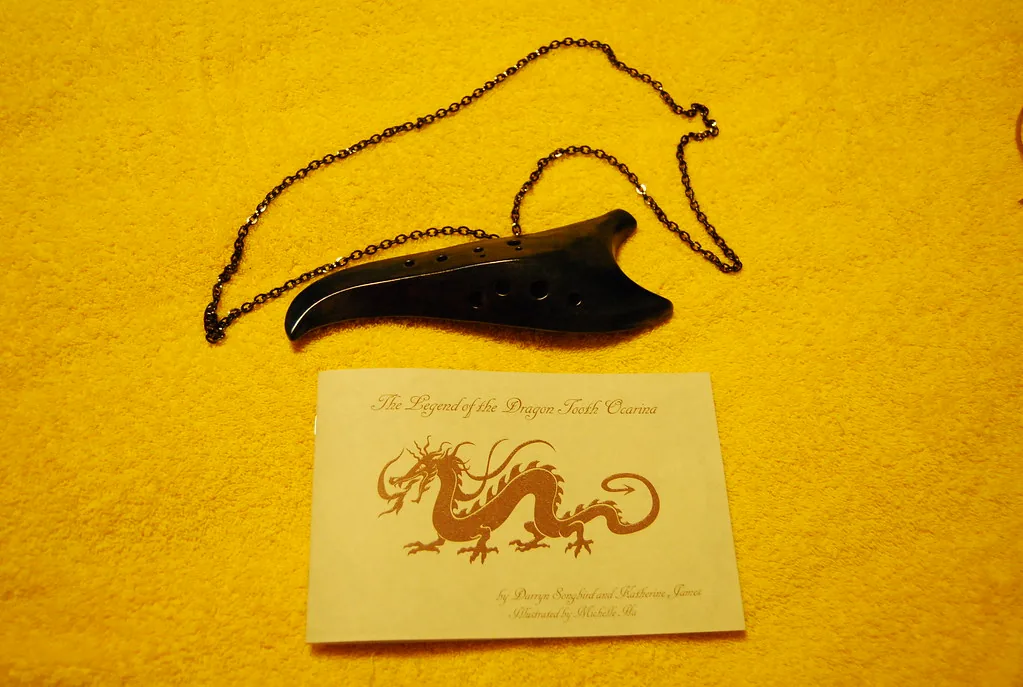
We focus on a 12-hole ocarina in C, as specified in community sheet music. This instrument helps recreate the original sound and makes the fingerings easier to learn.
In short, this melody is associated with a memorable character from the saga and was composed by Shunsuke Kikuchi. Tablatures are available, including those by MissFwuffy_po and Akanekumo.
Learning goals: understand the structure and master basic fingerings, breathing, sustained notes, and expression. The sources rate the difficulty as “Very easy.”
This tutorial covers reading tablature dots, identifying phrases, working on rhythm, and choosing among simple variations. Listen to the melody before playing so you can time your breathing and play expressively.
Before You Play: Background, Instrument, and Useful References
To get started, let’s look at the melody’s origins and some useful resources.
Story and Historical Background
Tapion appears in a film released in 1995. His role and his Brave Flute give the melody a character that is both heroic and melancholy. Shunsuke Kikuchi’s music was not officially released (codes M2110 / M2105), which makes community archives especially useful.
Which Instrument to Choose
Choose a 12-hole ocarina in C. This model has a comfortable range and simple fingerings for beginners. Most variations stay within a narrow range, with sustained notes that are easy to play.
Sheet Music, Tablatures, and Feedback
Useful resources include MissFwuffy_po’s public version and Akanekumo’s copy. Look at this tablature and compare the tablatures to choose the one that suits you.
- Read the dots to see which holes to cover.
- Browse the comments for an answer to questions about tricky passages.
- Keep several versions (MissFwuffy_po, Akanekumo, Tapion’s Theme) so you can compare fingerings.
Playing the Theme: Step by Step
Before you begin, divide the melody into short phrases to make breathing and phrasing easier. Listen to the original excerpt and identify 3 to 4 motifs; take a breath at the end of each one without breaking connected notes.
Sing the melody before playing: this helps you establish the pitches and start each note gently.
Fingerings and Reading the Dots
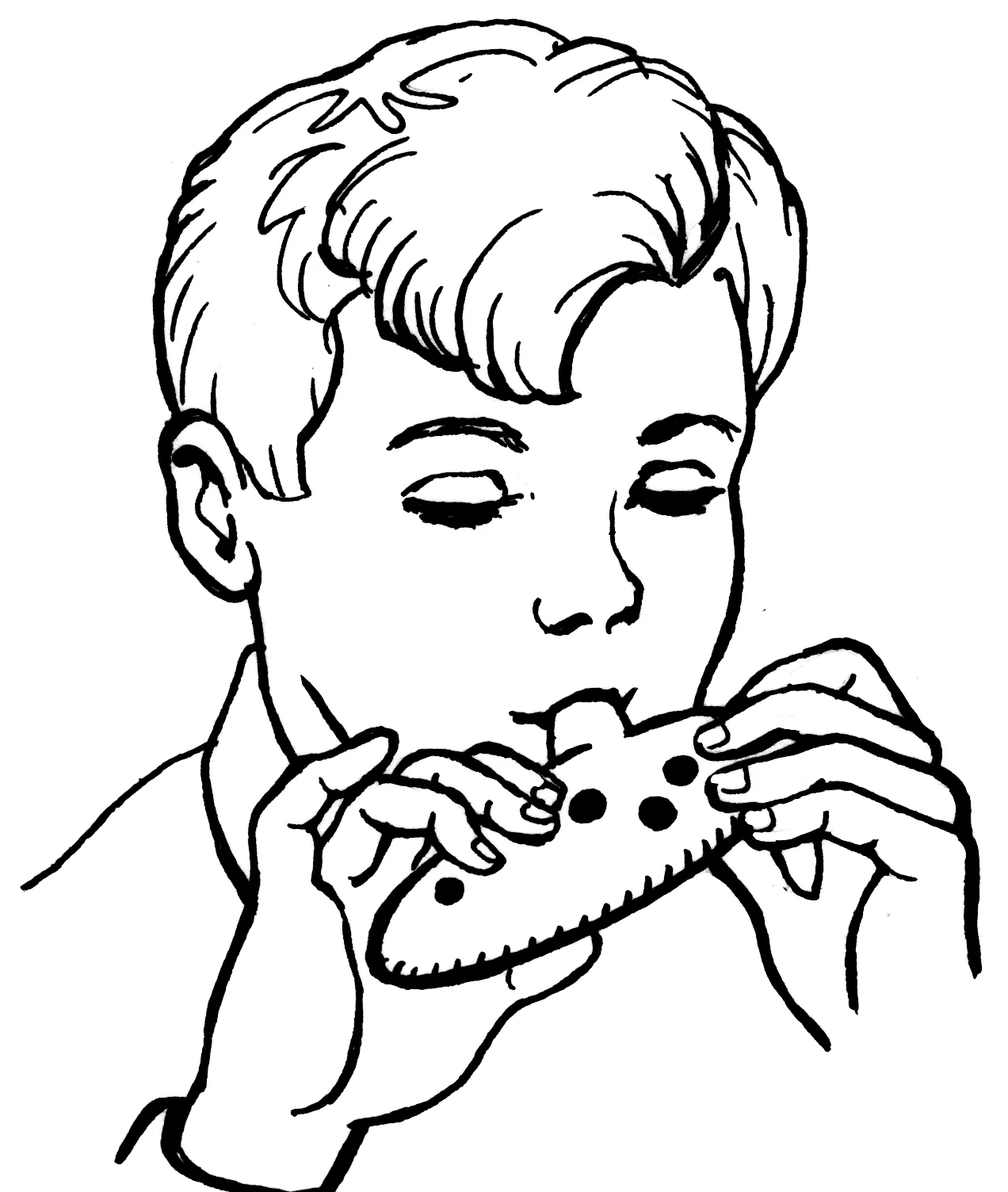
Reading this tablature and its dots helps you identify which holes to cover. On a 12-hole ocarina in C, keep a steady posture and your fingers close to the holes.
“Each filled dot represents a covered hole: check that the versions are consistent.”
Rhythm, Expression, and Variations
Practice sustaining notes with steady breath and gentle articulation (“du” or “lu”). Start slowly with a metronome, then gradually increase the tempo.
| Element | Tip | Resource |
|---|---|---|
| Phrasing | 3 to 4 phrases; natural breaths | MissFwuffy_po / Akanekumo |
| Dots / holes | Check every filled dot on the tablature | this tablature / community tablatures |
| Expression | Steady breath; gentle articulation | reply from July 4, 2018; Akanekumo’s reply |
- Compare the versions by MissFwuffy_po and Akanekumo, then keep the one that sounds best.
- Note differences in dots and holes above troublesome notes to help you remember the fingerings.
Practice Tips, Common Mistakes, and Choosing Sheet Music
A few focused tips will help you correct common mistakes and choose the sheet music that suits you best.
Common mistakes:
- Finger placement: use your finger pads to cover the holes and prevent air leaks.
- Pitch accuracy in C: practice sustained notes with a tuner and adjust your breath pressure.
- Confusing dots and holes: redraw the diagram if a symbol seems reversed.
An effective routine:
- Short segments: practice 2 measures, play them correctly 3 times, then move on.
- Metronome: start slowly, then raise the tempo in 4 bpm increments.
- Compare sources: place the versions by MissFwuffy_po and Akanekumo side by side to identify alternative fingerings.
Publicly available information shows that MissFwuffy_po’s version (C, 12 holes, “Very easy” difficulty, 11 likes, 11 comments, November 17, 2013) prompted more discussion. Akanekumo’s version (July 1, 2018) received fewer interactions but may contain useful variations.
| Problem | Action | Resource |
|---|---|---|
| Air leak | Check the position of your finger pads; reposition your fingers | this tablature / comments |
| Poor intonation | Sustain notes while using a tuner; adjust your breath | reply from July 4, 2018; Akanekumo’s reply |
| Uncertainty about a dot | Redraw the diagram; annotate the sheet music | Akanekumo’s new reply; Akanekumo’s reply to the new comment |
Conclusion
, to sum up, remember the essentials: a 12-hole ocarina in C and a sound understanding of the dots are enough to make quick progress.
Practice sustaining notes, shaping phrases with rising and falling dynamics, and articulating gently. These elements bring the melody to life.
Choose clear sheet music and compare two tablatures. Read the comments, the reply marked “reply July 4, 2018,” and the newer exchanges with Akanekumo to clarify difficult passages.
Practice with a metronome, record yourself, and share your annotations. Aim for a smooth rendition within a week, then refine it over the following month.