
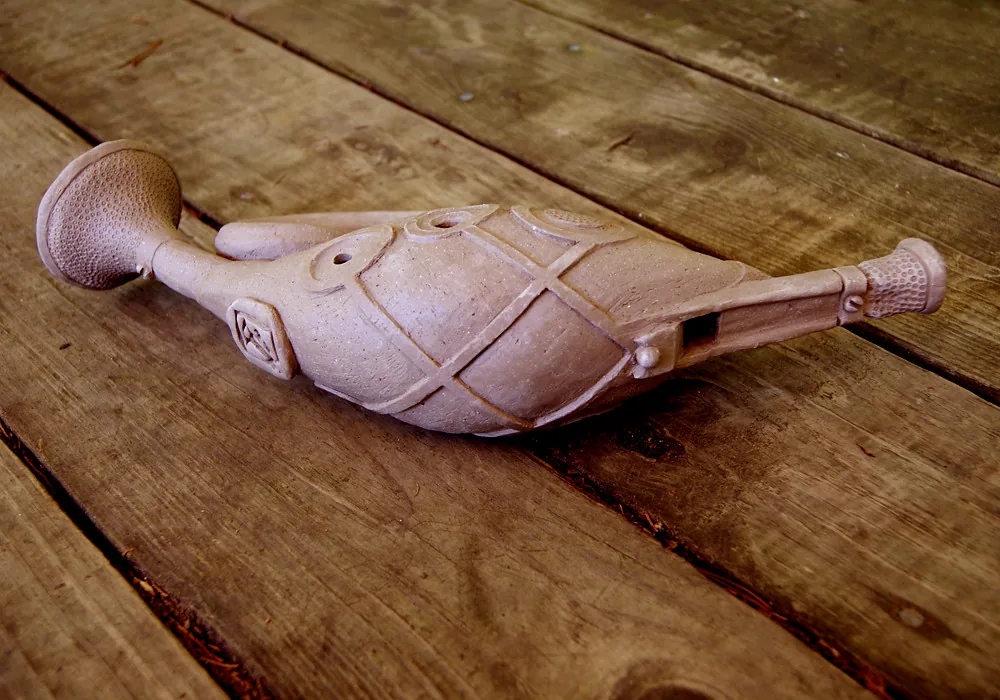
Goal: provide a step-by-step guide to learning this iconic song on a 12-hole ocarina in C. This guide is for beginners in France who want to play a rewarding first piece quickly.
The melody develops gradually, is easy to remember and is highly expressive. It brings out the instrument’s warm tone and helps develop your ear, even if you have little musical experience.
We recommend a standard 12-hole ocarina tuned to C. An easy tablature posted by Link016 on February 23, 2013, with 12 likes, shows that there are useful resources and other versions to explore.
This guide covers preparing the instrument, reading simple tablature, dividing the song into short sections, controlling breath and tempo, and using audio references to make your performance more consistent.
Practice tip: take small steps, repeat slowly, check your tuning, then increase the speed without sacrificing tone quality. Print or save the tablature as a PDF, if available, so you can practice offline.
Why choose this song when starting the ocarina?
A familiar melody lets you focus on playing rather than reading the music.
Because this song is so well known, your ear can anticipate what comes next. That makes learning easier and leaves more room to focus on tone quality.
Why it suits a 12-hole ocarina in C: its lyrical intervals, comfortable range and few large leaps reduce the risk of missed notes. The instrument’s warm tone brings out its long, contemplative phrases.
“Playing a familiar song builds confidence and encourages regular practice.”
Familiarity helps you progress faster: you can work on breath, smooth transitions and steady tempo instead of decoding the notes. Many adapted songs also provide easy fingering patterns.
| Advantage | Learning benefit | Expected result |
|---|---|---|
| Familiarity | Anticipating the melody | Faster progress |
| Moderate range | Fewer missed notes | Better tuning |
| Suitable tone | Practice sustaining notes | Expressive playing |
To find accessible sheet music and fingerings, explore a resource such as this collection of songs and tablature. This choice keeps you motivated and helps you achieve a satisfying musical result quickly.
Prepare your instrument and understand the music before playing
Before playing, check your instrument and the music to avoid unexpected tuning problems. This brief step helps you play in tune and practice more effectively.

Check the ocarina’s tuning
Check its tuning by playing a reference C. Hold long notes and listen for any wavering in pitch.
Avoid excess moisture in the windway, which can lower the pitch.
Read tablature for a 12-hole ocarina in C
Find the pitch represented by each pattern of covered and uncovered holes. Look for slurs, breathing points and repeated sections.
Tip: save the music as a PDF so you can annotate the fingerings and mark where to breathe.
Posture, breath and tempo
Sit or stand upright and keep the ocarina steady. Blow gently and evenly to maintain a stable stream of air.
Start with a metronome set to a slow tempo (60 to 66 bpm), then increase the speed in stages while keeping each note clear.
Where to find the music and compare versions
Look for Link016’s tablature for a 12-hole ocarina in C (a popular version with 12 likes), as well as other arrangements. Compare them and choose one that suits your level.
“Checking the tuning regularly keeps you from mistaking an out-of-tune instrument for a playing error.”
Hallelujah on the ocarina: an easy version for beginners
Begin by dividing the song into short passages. Practice the introduction, the first phrase, the second phrase, a bridge if included, and a simplified chorus.
Repeat each passage slowly with a metronome. Play it cleanly three times before increasing the speed by 4 to 6 bpm.
Main notes and reference points
Identify the opening notes. Notice the frequent stepwise movements and mark the less common leaps.
Mark the key notes on the music and indicate where you should breathe.
Breath articulation and smooth transitions
Use gentle attacks and connect the notes in sustained phrases. Breathe at the end of each motif and prepare for what follows.
“Reduce the air pressure if the start of a note is unstable.”
Building tempo and adding dynamics
Start very slowly, then gradually speed up without losing accuracy. Play softly at first, crescendo toward the high point, then decrescendo at the end of the phrase.
Record yourself once per practice session to spot attacks that are too forceful or notes that fade.
| Stage | Goal | Practical tip |
|---|---|---|
| Introduction | Establish the scale | Repeat slowly three times and mark the breaths |
| First phrase | Make the opening notes steady | Use gentle attacks and long, connected phrases |
| Joining passages | Connect two sections | Play slowly, then raise the tempo by 4 to 6 bpm |
Practice with audio references and work on rhythm
Original recordings are useful for setting the tempo and developing your dynamics.

Compare recordings by Leonard Cohen and Jeff Buckley
Listen to Leonard Cohen’s version first and note its measured tempo and natural breathing. Then listen to Jeff Buckley’s version for its dynamics and intensity.
Compare: the tempo, placement of breaths and emotional character.
Count the beats and recognize the structure
Practice with a metronome. Mark the strong beats and listen for pickup notes.
Identify repeated sections and the ends of verses so you can plan your breaths. Circle difficult measures on your music.
Adapt the melody if some notes are difficult
If a note falls outside your comfortable range, replace it with a nearby note or divide the leap into two smaller steps.
Simplify ornaments while preserving the shape of the line. The aim is to let the melody sing.
- Listen to the reference recording.
- Hear the melody in your head.
- Play slowly with a metronome.
- Record yourself and compare.
- Correct and repeat.
“Playing along with a quiet recording can help you keep time during your first practice sessions.”
Practical tip: keep a PDF you can annotate with breaths, subdivisions and repeated sections. Practice a little each day to strengthen your sense of rhythm.
More resources and sheet music after this easy version
Finding reliable sheet music saves time and builds confidence. Start by collecting pieces suited to a 12-hole ocarina in C and save them as PDFs.

Easy sheet music and tablature: PDFs to save and share
Build a collection: sort the PDFs by difficulty. Note the fingerings and breathing points on each document.
Compare at least one other version to find the most comfortable fingerings and the most lyrical melody.
Other songs to expand your repertoire
Choose well-known, slow, melodic songs. Progress step by step: learn one new song every two weeks.
| Action | Purpose | Tip |
|---|---|---|
| Sort the music | Plan your learning | Organize it by difficulty |
| Compare versions | Choose the best fingerings | Test them with a metronome |
| Share PDFs | Get feedback | Exchange annotations |
- Check that each piece suits a 12-hole ocarina in C.
- Record yourself to assess your breath control and tuning.
- Use player communities to find well-regarded sheet music.
“Organizing and sharing sheet music makes progress faster and more reliable.”
Conclusion
Follow a clear, gradual plan to achieve a satisfying musical result.
Your approach: prepare the instrument, read the tablature, practice in sections, control your breath and tempo, then add dynamics to bring the song to life.
This accessible melody helps you refine your tuning and control of the notes. Aim for a pure tone and consistent phrasing, even at a slow tempo.
Practice regularly for a few minutes each day, and return to Cohen’s and Buckley’s versions for inspiration without copying them. Print the tablature, record yourself and explore other sheet music to expand your repertoire.
Goal: make the instrument sing, preserve the emotion in every performance and let your playing develop from session to session.