
Goal: this article helps you make an informed choice among three popular brands. It is aimed at beginners and intermediate players in France.
The market changes quickly. Cheap models sold on Amazon or Wish are often out of tune. We recommend buying from specialist shops to avoid disappointment.
In France, Focalink/Stein models are available through Ocarina World, while some models, such as the plastic Night by Noble, stand out for a sound close to that of ceramic instruments. Manufacturers offer varied ranges at different prices.
Why compare these brands now? The popularity of video game music and growing demand make it useful to examine quality, tuning, and availability. A good ocarina is a real instrument, not a gimmick.
Our method is to compare ranges, materials, sound, ergonomics, prices, and services. To start, we recommend a 12-hole alto in C (AC/C3). For more practical details, see this comparison guide.
Why compare these brands now? Current buying criteria
In 2025, buying an ocarina calls for a practical comparison. This article helps you make a choice suited to your skill level and budget.
These are the key criteria today:
- Intonation and tuning: a well-tuned instrument prevents frustration.
- Ergonomics: a comfortable grip lets you play for longer without pain.
- Availability in France: local stock avoids long waits and customs charges.
- After-sales service and warranties: clear terms and available replacement parts.
- Product information: precise descriptions and technical details online.
Price remains a factor, but it should not come first. Aim for the best value for money for your needs. A beginner should consider a 12-hole alto in C: it is the standard format for learning quickly.
“A considered purchase saves time and money and encourages you to practise.”
Where to buy in 2025: favour specialist shops and manufacturers’ websites. Avoid most general marketplaces for a first purchase; they sometimes sell poorly tuned instruments.
| Criterion | Practical advice | Impact for beginners |
|---|---|---|
| Tuning | Try the instrument or consult reviews and videos | Helps avoid an out-of-tune sound |
| Material | Plastic: playing on the go; ceramic: tone | Choose according to use |
| Delivery | Local stock is preferable | Reduces delays and costs |
| Accessories | An included case and instruction book add value | Make learning easier |
Before buying, list your needs (repertoire, volume, portability, budget) to identify suitable options. A good first choice encourages practice and saves time.
Yamaha, Noble, Focalink: Comparing Their Ocarinas
For a first ocarina, it helps to understand where each brand stands in the French market.
How the brands are positioned in the French market
Focalink/Stein is regarded as a technical benchmark. The manufacturer offers many models that are easy to obtain through a local distributor in France.
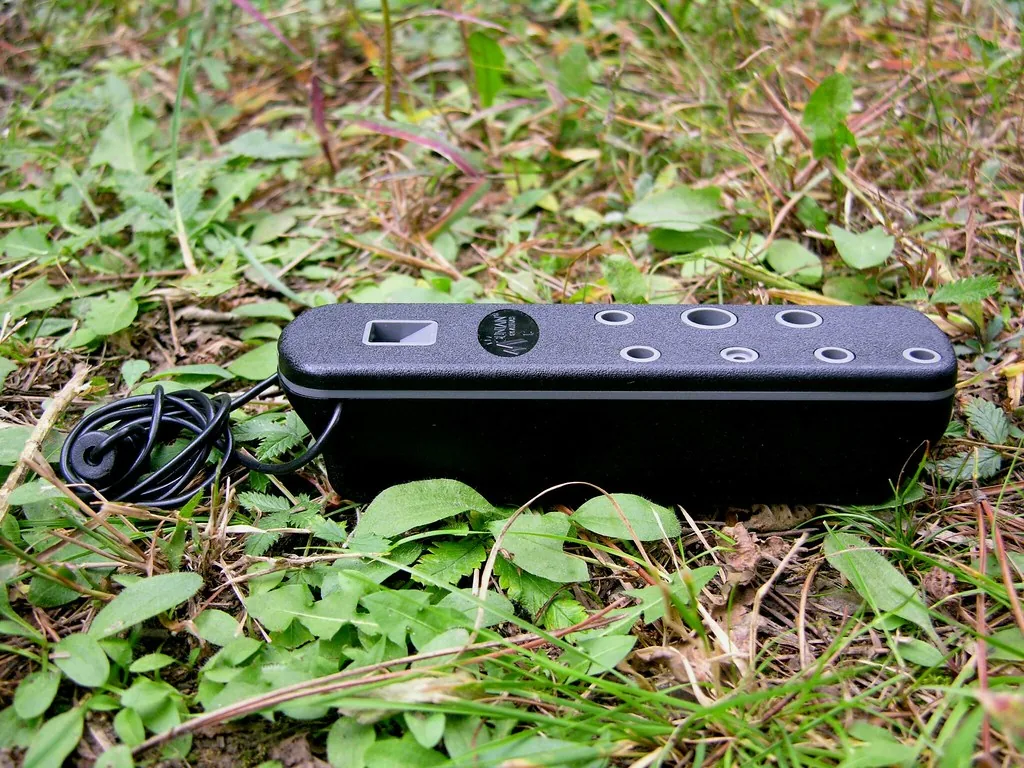
Noble focuses on well-made plastic instruments: the Night by Noble often sounds close to ceramic and has a popular matte finish.
Yamaha focuses on teaching, with sturdy, accessible student instruments.
Strengths and limitations for a first purchase
- Focalink: consistent tuning, a wide range, and accessible prices for AC models (good value for money).
- Noble: durability, portability, and surprisingly good sound for plastic; a slightly less nuanced tone.
- Yamaha: simplicity and suitability for teaching; sometimes a narrower choice of multichamber models.

Online availability, warranties, and after-sales service
| Brand | Strengths | Limitations | Availability and after-sales service |
|---|---|---|---|
| Focalink/Stein | Wide choice of models, consistency | Some lower-pitched models are more expensive | French distributor (Ocarina World): easier returns within the EU |
| Noble | High-quality plastic, good sound for the price | Less tonal nuance | International online sales: check stock and delivery times |
| Yamaha | Student range, durability | Limited choice of multichamber models | Dealer network, after-sales service through authorised distributors |
How the community rates their quality
The community appreciates Focalink’s consistency and Noble’s practicality. Many recommend starting with an alto in C.
“Reliability and local service often make the difference for a first purchase.”
Available ranges and types of ocarina
Current catalogues offer a clear range of instruments for different skill levels and uses.
Focalink/Stein mainly offers 12-hole models, as well as carefully made double and triple ocarinas. A 12-hole model covers up to 21 notes, enough for most repertoires.
Plastic and ceramic ranges
Noble highlights its durable, portable plastic Night model. Ceramic models remain available for a richer tone.
Student instruments
Yamaha targets learners with models that tolerate variations in breath pressure. These instruments suit beginners and schools.
- 6 holes: small hands and first lessons.
- 12 holes: a versatile standard format for a broad repertoire.
- Multichamber (double or triple): extended range, requiring more technique.
| Type | Advantage | Who it suits |
|---|---|---|
| 12 holes | Versatility, around 21 notes | Beginners to intermediate players |
| Multichamber | Extended range | Advanced players, demanding repertoire |
| Plastic or ceramic | Portability or a richer tone | Travel or performance |
Price guide: an entry-level Focalink/Stein AC costs around €42 in France; expect to pay more for double, triple, or bass models.
Tip: start with a 12-hole alto, then move to a multichamber model if your repertoire calls for it. Check how it feels in your hands before buying.
Materials and finishes: plastic, ceramic, clay
The choice of material changes both the sound and the feel of the instrument. It affects tonal colour, weight in the hands, and resistance to knocks.
Plastic: a practical choice for travel and teaching. It withstands moisture and drops. Its sound is simpler, but stable. The Night by Noble is a good example of high-quality plastic with a tone close to ceramic.

Ceramic and clay: a warm, rounded sound, harmonic richness, and refined projection. These instruments are fragile, so a case is essential for transport. Makers such as Musique de Terre, Dinda, and Spencer offer distinctive colours and unique glazed finishes.
There are also wooden models (Hind), which are uncommon but interesting for their unusual tone.
“Ceramic encourages expressiveness, while plastic suits everyday use.”
- Finishes: glazing, firing, and polishing affect how the instrument feels in the hand and how long it lasts.
- Fragility: ceramic requires a case and careful handling.
- Recommended use: plastic for rehearsals and travel; ceramic or clay for the stage and recording.
| Material | Advantage | Limitation |
|---|---|---|
| Plastic | Durable, inexpensive, easy to carry | Less harmonic richness |
| Ceramic or clay | Warm sound, projection, carefully made finishes | Fragile, more expensive, and requires more care |
| Wood | Distinctive tone and appearance | Rare, limited stability as humidity changes |
Sound quality and tuning
Intonation and projection quickly determine whether an instrument makes you want to play. Good sound quality starts with stable tuning that suits the player’s level.

Recommended tuning and ranges
Tip: choose an alto in C (AC/C3) to begin. This tuning covers the most commonly used major scale and makes it easier to use instruction books and tablature.
Pitch range changes the character of the sound: soprano is lively and can seem shrill; alto is balanced; bass has a warm sound but requires more breath and a larger budget.
Projection, intonation, and breath
Breath control directly affects the intonation of high and low notes. A steady airflow improves phrasing and keeps the tone consistent across registers.
- A well-tuned instrument prevents frustration and speeds up learning.
- Multichamber models offer more notes but require good control of chamber changes and breathing.
- Before buying, listen for clear notes, how well they hold at the end of a phrase, and the balance between registers.
“A well-tuned alto in C gives an ambitious musician a solid foundation.”
| Criterion | Impact | Advice |
|---|---|---|
| Tuning | Note accuracy | Try the instrument or compare audio recordings |
| Range | Character and pitch span | Choose according to your repertoire |
| Breath | Projection and stability | Choose a forgiving model |
Ergonomics, number of holes, and playing level
The number of holes and arrangement of the chambers affect your musical progress.
6 or 12 holes: a 6-hole model is simple to use and suits small hands. It covers around 17 notes and makes it easier to get started.
The 12-hole model remains the versatile standard. It covers up to 21 notes and suits beginners as well as experienced players. For most students, a 12-hole alto in C is the best compromise.

Multichamber models and the learning curve
Double- and triple-chamber models extend the range and open up harmonic possibilities.
These models require more advanced technique. Moving between chambers takes breath control, fingering skill, and time.
Common fingerings and playability
Asian fingering promotes continuity between chambers and maximises the number of notes.
Pacchioni fingering overlaps the last two notes of one chamber with the first two of the next. This makes transitions smoother and the tone more consistent.
- Advice by skill level: stay with a 12-hole model until you have mastered your breath and fingerings.
- Check how it feels in your hands: hole placement, weight, and size affect hand fatigue.
- Progress: practise smooth transitions and use a metronome to improve precision.
To choose, try the instrument in a shop or consult a practical guide such as which ocarina to choose.
Prices, value for money, and budget
The real cost of an instrument often exceeds its listed price. An ocarina in France can be very cheap, but you need to consider the total cost.
Entry level: expect accessible prices for a student AC. In France, models are available for around €42; some simple imported models cost roughly €45–50.
Entry-level, mid-range, and high-end instruments
Plastic remains inexpensive and durable for practice. Ceramic and bass models require a larger budget to obtain genuinely good tone quality.
Additional costs to expect
Purchases from outside the EU may incur shipping, insurance, and customs charges. Allow around two and a half weeks for delivery from the United States and possible customs costs (> €150 or +20%).
- Price guide: plastic costs less; ceramic costs more.
- Accessories: an included case and instruction book reduce the total cost.
- Tip: compare prices including delivery in France and the EU, then check return terms and warranties before buying.
Practical approach: start with a good, affordable AC, practise for a few months, then invest in a high-end model if you want a “studio” sound.
For an overview of the options and prices, consult our ocarina comparison guide.
Where to buy in France and online
Finding a good retailer makes it easier to obtain a reliable, well-tuned model. Choose a specialist shop or a reputable website to reduce the chance of disappointment.
Ocarina World remains the recommended French distributor for Stein/Focalink instruments, with AC models around €42 and local availability. For handmade pieces, consider Musique de Terre, which offers support in France.
Manufacturer websites and shops to consider
Check the manufacturer’s official website for stock and included accessories (case, instruction book). Some American sellers (STL, Songbird) ship to France, but allow for delivery times and customs charges.
- EU advantage: simpler warranties and returns, with information in French.
- Caution: avoid general marketplaces such as Amazon or Wish, where poorly tuned replicas can be found.
- Shipping: for a ceramic ocarina, request insurance and protective packaging.
| Source | Benefit | What to check |
|---|---|---|
| Specialist shop | Personal advice | Stock and the opportunity to try the model |
| Manufacturer or retailer website | Photos, audio demonstrations | Delivery times and shipping costs |
| French artisan | Unique finishes | Price and lead time |
Tip: contact the shop before buying an ocarina to select the model best suited to your skill level and budget.
Accessories, tablature, and learning resources
Good learning materials help you progress even with just a few minutes of practice. This section presents useful tools for every level and explains how to choose according to the number of holes on your instrument.
Books, bundles, and online courses for faster progress
Recommended bundle: ocarina, case, and instruction book. These bundles, offered by some European retailers, let you begin without additional purchases.
Included printed methods make it easier to read tablature and learn the basics of breathing and fingering.
Tablature tools and recommended YouTube channels
For videos, follow OCTalk, Gina Luciani, and Tristan Laurens. STL offers more than 300 videos and a structured Academy.
Part’Ocarina lets you create, print, and share tablature suited to the number of holes on your instrument.
“Fifteen minutes a day is enough to build the foundations: breath, fingering, and phrasing.”
- Choose songs of increasing difficulty (the Zelda repertoire is recommended) to stay motivated.
- Check that the tablature matches your instrument’s tuning and number of holes.
- Record yourself to assess your intonation and phrasing over time.
| Resource | Use | Advantage |
|---|---|---|
| Printed methods and bundles | Get started quickly | Everything is included: instrument, case, book |
| YouTube videos (OCTalk, Gina Luciani, Tristan Laurens) | Breathing and fingering technique | Free, with lessons for different levels |
| Part’Ocarina and STL Academy | Creating tablature and taking lessons | Tailored to the number of holes and the pitch range |
Which ocarina suits which player? Buying scenarios
Your playing profile guides the choice between practicality and a richer sound. Here are three specific scenarios to guide your purchase according to your skill level and budget.
A Zelda fan who is a beginner on a tight budget
Choose a 12-hole model in C (AC/C3). This format lets you play popular themes and learn quickly.
Choose a well-tuned plastic model for durability, a low price, and portability. In France, entry-level AC models around €42 offer excellent value for money.
An intermediate musician seeking a balanced sound
Move up to a ceramic alto tuned in C for greater clarity and better sustain on high notes.
Check its response in the low register, consistency across its range, and comfort in the hand for longer playing sessions.
An advanced player seeking a multichamber model and extended range
Choose a double- or triple-chamber model according to your repertoire. Asian or Pacchioni fingering affects transitions and tone.
Bass models offer a rich range but require more breath and a bigger investment. Always check how the instrument feels in your hands and listen to demonstrations before buying.
“Match the instrument to your skill level: there is no need to aim for a triple before you have mastered a 12-hole model.”
- Practical tip: start with a bundle that includes a case and instruction book to progress more quickly.
- Progress: upgrade according to your actual needs, rather than curiosity alone.
Alternative and similar brands to consider
Beyond the familiar names, there are makers and brands worth a look.
STL offers a wide selection and educational bundles, with an Academy that helps structure your progress.
Musique de Terre is a French maker known for the quality of its triple C3 models with Pacchioni fingering.
Other international options
Dinda (Thailand) offers inexpensive 12-hole ceramic models and, depending on the series, gentle high notes.
Spencer in the United States offers luxurious finishes; watch out for lead times and costs. Aketa in Japan remains famous for its 12-hole ceramic models.
Hind makes wooden models with an unusual tone. These brands cover most single- and multichamber types available worldwide.
| Brand or workshop | Strengths | What to check | Indicative price |
|---|---|---|---|
| STL | Bundles, educational content | Model according to fingering | Varies; good value for money |
| Musique de Terre | French craftsmanship, Pacchioni triples | Lead times, limited runs | High-end |
| Dinda | Affordable ceramic, 12 holes | Consistency between production runs | Around €35 |
| Spencer, Aketa, and Hind | Luxurious finishes, tradition, and wood | Importing, tuning, tone | High, depending on rarity |
Practical tip: check the number of chambers and the fingering (Asian or Pacchioni) to choose an instrument suited to your repertoire.
Start with a simple model, then add chambers and move up in quality as you gain years of experience.
Conclusion
These are the essentials for choosing and buying with confidence. This article sums up the options by skill level, repertoire, and use. To begin, favour a 12-hole alto in C (AC/C3).
A 12-hole ceramic model offers warmth; a quality plastic model provides good everyday durability. In France, Focalink/Stein models are available through Ocarina World from around €42, and the Night by Noble stands out for its carefully made plastic body.
Buying an ocarina from reputable sellers makes good intonation more likely and gives you access to after-sales service and accessories (case, instruction book). Use OCTalk, Gina Luciani, Tristan Laurens, STL Academy, and Part’Ocarina to structure your learning and save time.
The world of ocarinas is vast: compare audio recordings, videos, and reviews to refine your choice. Thank you for reading. Take the next step and enjoy many hours of music with the right instrument: regular practice remains the key to progress.